Loading activity…

@sciencemagazine
Cutting-edge research, news, commentary, and visuals from the Science family of journals. Follow @NewsfromScience for stories from our News team.
 Science
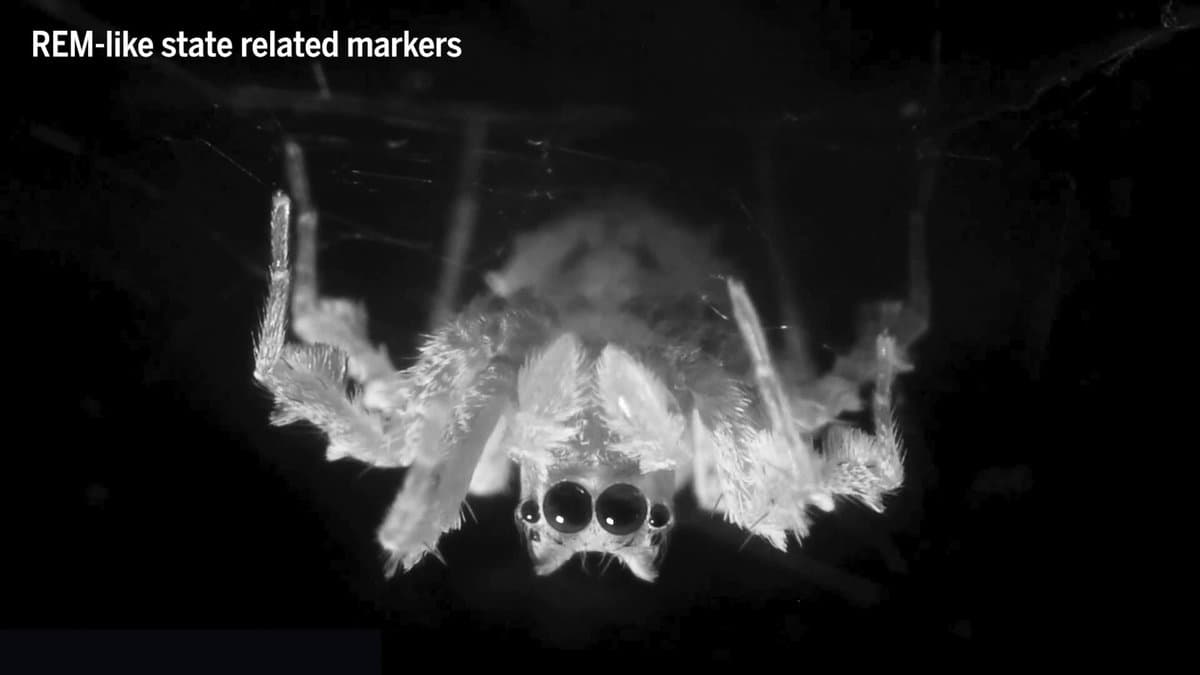
Disturbed Portia fimbriata spiders rested longer the next day, while those appearing asleep responded more slowly to sound.
 X
Science
The toothless, turkey-size dinosaur may have eaten fruit, but its anatomy could also fit shoots and buds.

Science
Science News reports GPS tracks showed slight deviations consistent with a sun compass misaligned with local time.

Science
In Science Immunology, researchers trace a Piezo1 and nerve growth factor pathway that heightens gut sensitivity in mice.

Science
Science reports the samples could reveal how Phobos formed and may contain pieces of Mars.

Science
In Science, researchers report that a glucose monitor triggered the implant only above a preset threshold.

Science
Science says the approach begins with a patient’s chief complaint and helps physicians decide which questions and tests follow.

Science
Scientific American reports the USB-sized implant turns glucose into gluconate, most of which the mice excreted through their kidneys.

Science
Researchers in Science report active enzymes from 96-construct design campaigns, including zinc proteases specific for transthyretin.

Science
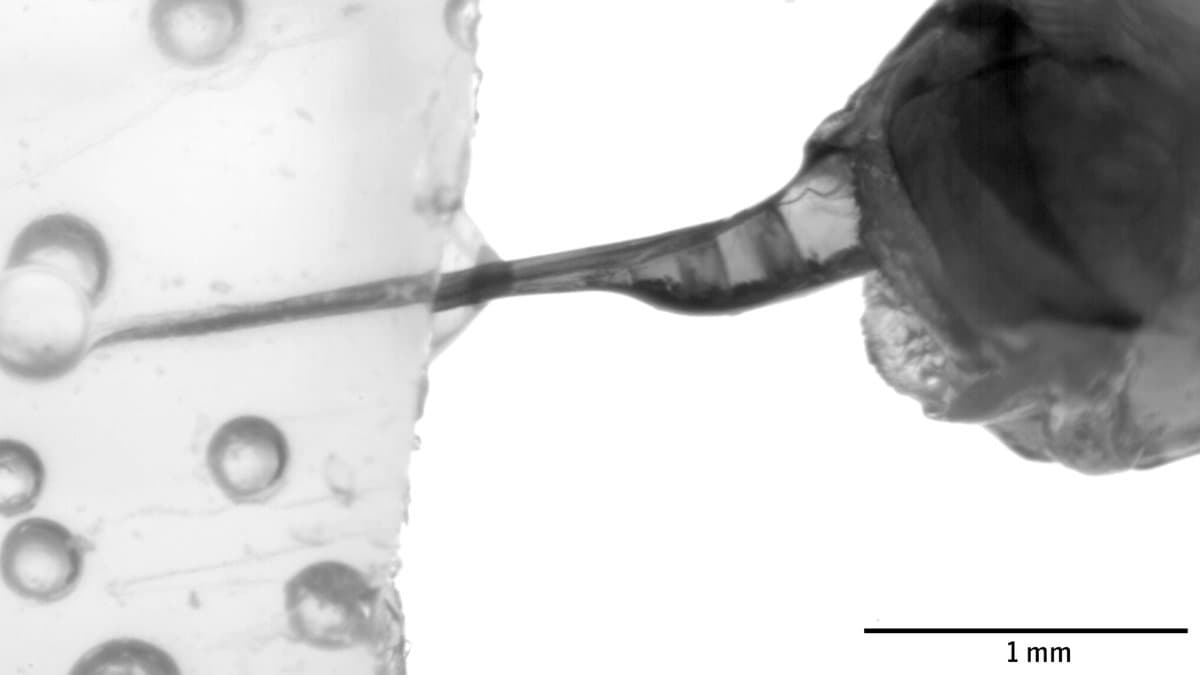
Science reports that flaps on a honey bee’s two stinger lances alternately seal a bulb, helping keep venom flowing.
 X
Science
Science Magazine says researchers developed the clocks using metabolic data from more than 18,000 participants in China.

Science
Science Magazine's podcast explores how archaeologists are revisiting the empire's inception and growth.
 X
Science
The case centered on two recurring 1,000-ruble donations to the Anti-Corruption Foundation.

Science
Science Magazine says some researchers are coming to see menopause as a stress test for the brain.

Science
Tinnitus is a phantom sound perception affecting roughly 10% to 15% of people, sometimes severely.

Science
New Scientist reports that glaciers in a satellite study retreated faster than models predicted, but none underwent unstable retreat.

Science
Science reports researchers paired BootLoops with Claude for three months to tackle problems with shared mathematical structures.

Science
Science says Holden Thorp and Pulitzer winner Jeff Horwitz discuss the challenges of researching social networks' impact.
 X
Science
News from Science says the population was about 8 billion in October 2026, not approaching infinity as predicted.

Science
Science Magazine says the mouse work may have implications for multiple sclerosis therapy.


