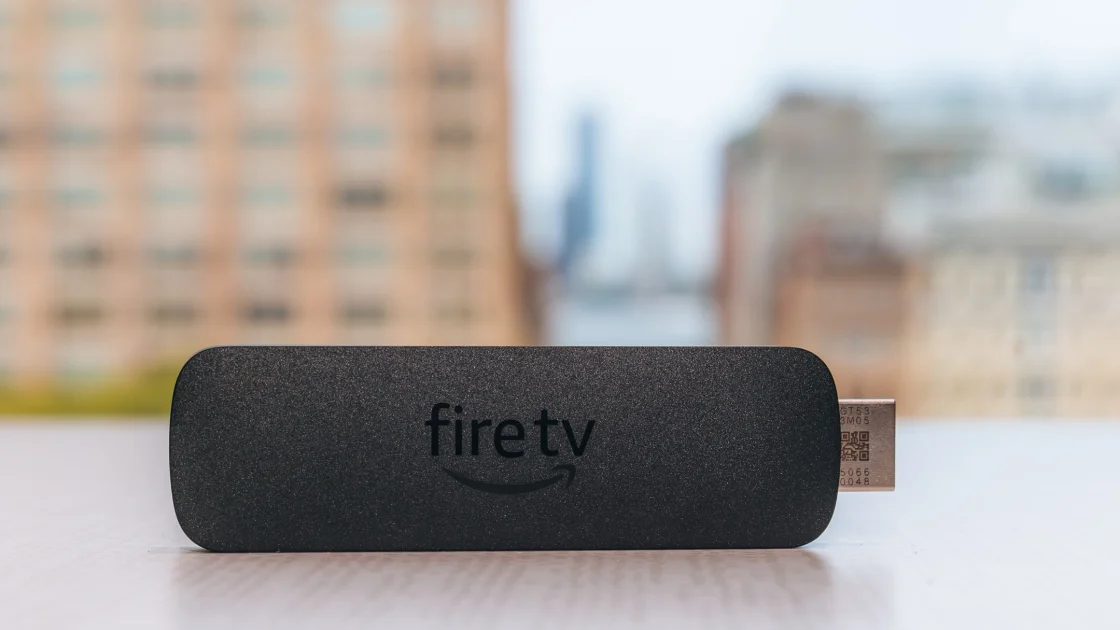
PCMag's 2026 streaming-device guide compares the major boxes and sticks used to bring subscription video, local apps and voice controls to a television.
The guide is based on the publication's testing across Amazon Fire TV, Apple TV, Google TV and Roku hardware. It treats the devices as different combinations of interface, app support, remote design and ecosystem integration rather than interchangeable 4K dongles.
The right device depends on the ecosystem
Apple TV's advantages include AirPlay and tight integration with iPhones and other Apple services. Amazon and Google devices emphasize their own assistants and content platforms, while Roku continues to compete on a comparatively straightforward television interface.
Hardware specifications matter less than they once did for basic 4K playback. Support for Dolby Vision, HDR10+, Dolby Atmos, Wi-Fi standards and gaming features can still separate products, but app availability and the number of ads or promoted rows in the interface often shape daily use more directly.
A streaming stick cannot fix every television problem
Buyers also need to match the device to their display and network. Paying for advanced HDR or high-end audio support brings no benefit if the television or receiver cannot use it, and Wi-Fi 6E does not automatically improve a video stream that already fits comfortably within an older connection.
PCMag's list is a buying guide, not a single universal winner. The useful decision is whether a device supports the services, casting method, voice assistant and privacy tradeoffs a household already prefers, then whether the extra performance of a premium box is worth the price over a basic stick.
 Technology