Silicon Valley's close relationship with defense money is real, but it does not explain every era of the technology industry. That is the distinction WIRED editor at large Steven Levy draws in a new essay about the region's present-day “war bros.”
Levy's argument begins by conceding that military and government spending helped establish the semiconductor industry. He rejects the larger claim that the Valley was therefore always driven by the same priorities now visible in defense startups, enormous private fortunes and an overtly militarized technology culture.
The personal-computer counterexample
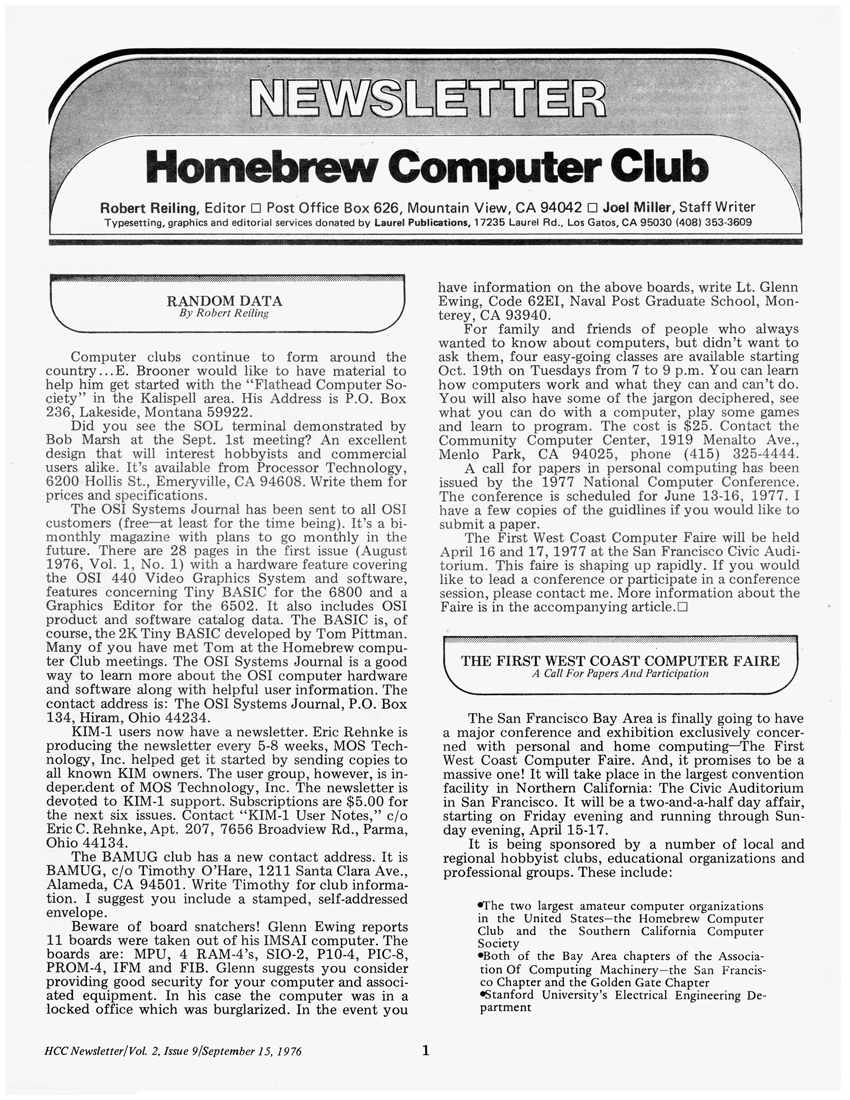
In a public summary of the essay, Levy points to the personal-computer revolution and the early internet as periods shaped by hacker culture and idealism. Groups such as the Homebrew Computer Club treated computing as something individuals could build, understand and share, not only as infrastructure for corporations or the state.
That tradition was never free from business ambition. Companies grew out of it, investors arrived and successful founders became wealthy. Levy's narrower point is that profit and military power were not the only values in the room. The belief that computers could expand personal agency was itself a force in the industry's development.
Why the distinction matters now
The historical debate changes how today's realignment is understood. If Silicon Valley has always been only a market for capital and military contracts, its current posture looks inevitable. If it also contained a strong tradition of user empowerment, open experimentation and suspicion of centralized authority, then the present turn is a choice and a break with part of that inheritance.
The accessible portion of WIRED's subscriber-only essay does not offer a complete institutional history, and Levy is making an interpretive case rather than presenting a new dataset. Still, the argument supplies a useful caution: origins can be multiple at once. Government funding, commercial ambition and hacker idealism all helped shape the Valley, and emphasizing one strand should not erase the others.