• Home
  • Technology
  • Gaming
  • Entertainment
  • World & Business
  • Science
  • Sports
  • AI
HomeTechnologyGamingEntertainmentWorld & BusinessScienceSportsAI
Science
Report

Even brainless creatures may sleep

Science Magazine reports that researchers are finding restful states in most animals, even very simple ones.

Science MagazineSM
1 Source, 1h ago, first seen 1h ago

TLDR

Science Magazine reports that researchers looking for sleep-related behaviors are finding a restful state in most animals, even very simple ones. Its article on brainless creatures says sleep’s benefits may extend beyond the brain, with possible roles for muscles, the immune system and the gut.

Combined views

6.3K

1 Source, first seen 1h ago

15 likes4 comments8 saves2 reposts

Combined views

6.3K

1 Source, first seen 1h ago

15 likes4 comments8 saves2 reposts
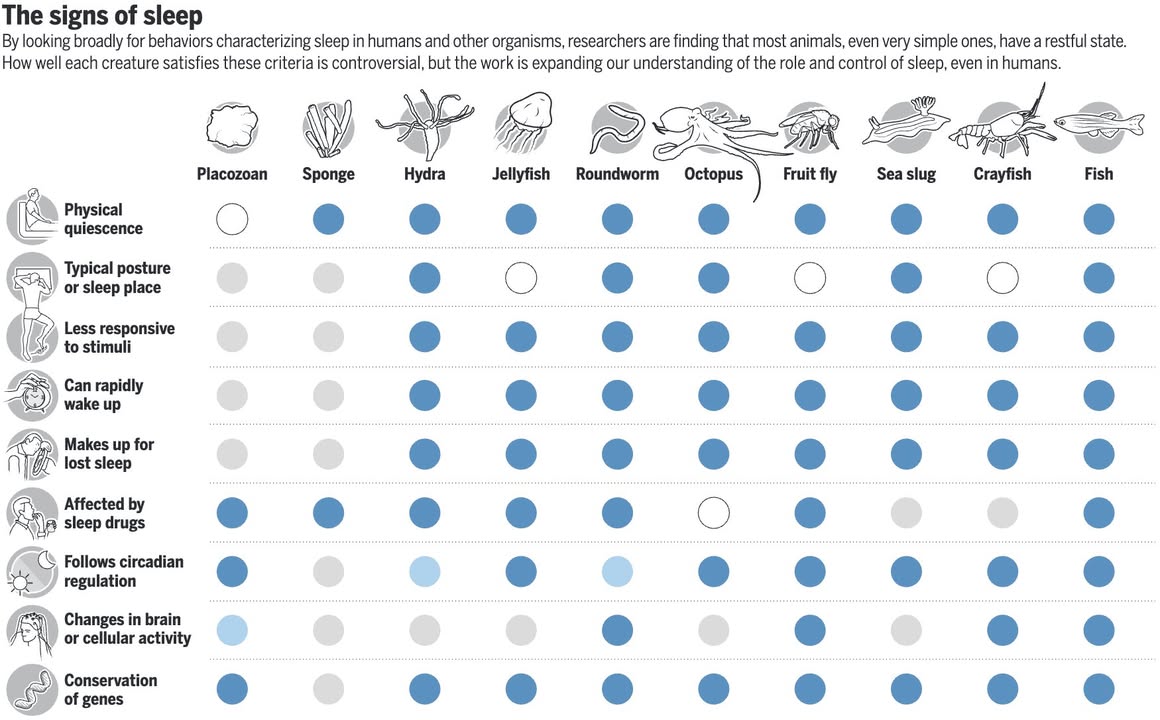
By looking broadly for behaviors characterizing sleep in humans and other organisms, researchers are finding that most animals, even very simple ones, have a restful state. How well each creature satisfies these criteria is controversial, but the work is expanding our understanding of the role and control of sleep, even in humans.

Science Magazine resurfaced a 2021 feature about an old but surprisingly difficult question: How do you recognize sleep in an animal that has no brain to scan?

Featured Source

How researchers test for sleep without a brain

Rather than looking for the electrical patterns used to classify human sleep, scientists look for a recurring period of reduced activity, weaker responses to the environment and a rebound after an animal is kept from resting.

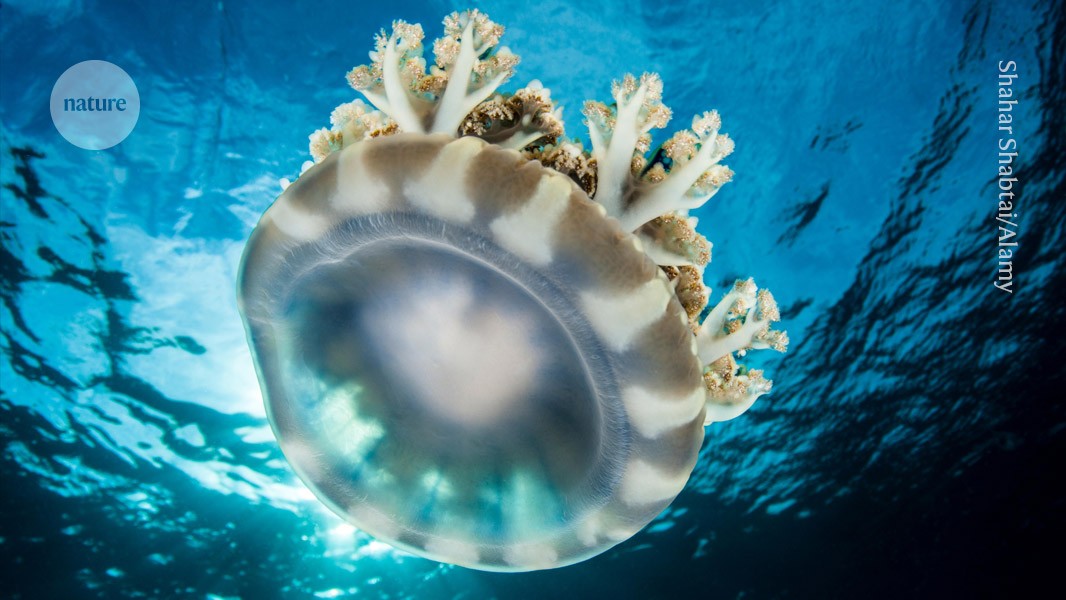
In a 2017 experiment, upside-down jellyfish called Cassiopea slowed from about 60 bell pulses per minute during the day to 39 at night. The nighttime animals were slower to react when researchers lowered the false bottom beneath them. After currents of water disturbed them overnight, they were also less active the following day. Melatonin slowed their pulsing to nighttime speeds.

That combination resembles sleep by behavioral standards, even though these jellyfish have a ring of nerve-cell clusters rather than a centralized brain.

Researchers have reported similar clues in Hydra vulgaris, a tiny freshwater relative of jellyfish. Hydra were less active in darkness, and a later sleep-deprivation experiment found changes in the activity of more than 200 genes. Several of those genes are also involved in sleep in fruit flies.

“Sleep” remains a contested label

Not every researcher accepts that these states should be called sleep. Some prefer “sleep-like” because a still, unresponsive jellyfish or hydra cannot be compared directly with the well-defined stages measured in a human brain.

The disagreement is more than semantics. If animals without brains need sleep-like rest, memory consolidation and other brain-specific benefits cannot fully explain why sleep evolved. The research reviewed by Science points toward more basic roles involving metabolism, cellular maintenance and signals from tissues such as muscle and the gut.

Those ideas remain under investigation. Experiments in worms, fruit flies and mice have linked sleep loss or sleep regulation to energy balance, gut stress and muscle-produced proteins, but they do not establish one universal purpose for sleep.

The simplest cases are still unresolved

Placozoans and sponges would push the question further because they lack neurons altogether. Researchers have observed nightly slowdowns and cycles of contraction that might qualify as rest, but the 2021 feature described that work as preliminary or incomplete. Attempts to test puffball sponges were disrupted by the animals’ demanding care needs and the COVID-19 shutdown.

The jellyfish and hydra experiments suggest that a sleep-like state may not require a centralized brain. Whether the simplest animals truly sleep still depends on what scientists decide sleep must include.

Sentiment

Positive——Negative

Summary

Not enough discussion yet.

No sentiment analysis available yet.

Useful links

nature

Jellyfish sleep like humans — even though they don’t have brains

alpha 137 · YouTube

What if sleep is older than brains?

Nature

Drifting off to repair DNA

Animalogic · YouTube

How Do Animals Sleep Underwater?

Nature

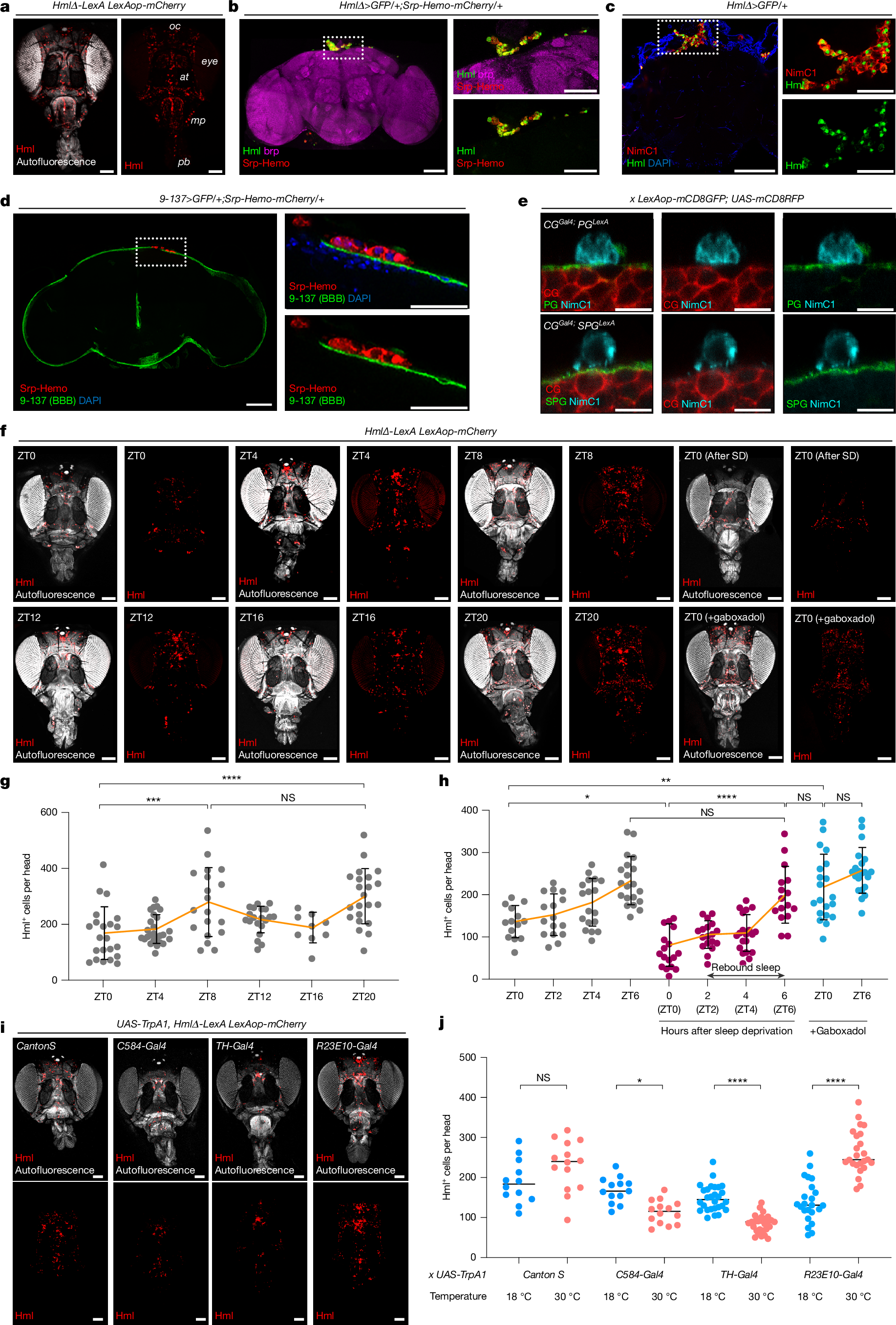
Sleep-dependent clearance of brain lipids by peripheral blood cells

Sentiment

Positive——Negative

Summary

Not enough discussion yet.

No sentiment analysis available yet.

Useful Links

nature

Jellyfish sleep like humans — even though they don’t have brains

Nature

Drifting off to repair DNA

Nature

Sleep-dependent clearance of brain lipids by peripheral blood cells

Related Videos

  • What if sleep is older than brains?alpha 137 · YouTube
  • How Do Animals Sleep Underwater?Animalogic · YouTube

Useful Links

nature

Jellyfish sleep like humans — even though they don’t have brains

Nature

Drifting off to repair DNA

Nature

Sleep-dependent clearance of brain lipids by peripheral blood cells

Related Videos

  • What if sleep is older than brains?alpha 137 · YouTube
  • How Do Animals Sleep Underwater?Animalogic · YouTube

2 Sources

science.orghttps://science.org/content/article/if-alive-sleeps-brainless-creatures-shed-light-why-we-slumber
Science Magazine@ScienceMagazineBy looking broadly for behaviors characterizing sleep in humans and other organisms, researchers are finding that most animals, even very simple ones, have a restful state. Learn more: https://scim.ag/4eolXET #ScienceMagArchives1h
    • Home
    • Technology
    • Gaming
    • Entertainment
    • World & Business
    • Science
    • Sports
    • AI

    2 Sources

    science.orghttps://science.org/content/article/if-alive-sleeps-brainless-creatures-shed-light-why-we-slumber
    Science Magazine@ScienceMagazineBy looking broadly for behaviors characterizing sleep in humans and other organisms, researchers are finding that most animals, even very simple ones, have a restful state. Learn more: https://scim.ag/4eolXET #ScienceMagArchives1h
    Today's Rank

    #6

    Today's Rank

    #6