• Home
  • Technology
  • Gaming
  • Entertainment
  • World & Business
  • Science
  • Sports
  • AI
HomeTechnologyGamingEntertainmentWorld & BusinessScienceSportsAI
Science
Announcement

NASA releases more than 11,000 images and videos from Artemis II

The 800-gigabyte archive also includes crew audio, annotations and reports from April’s lunar flyby.

Jasmine 🌌🔭J🌌
🚀conspiracy_slayer🌕🚀C
Latest in spaceLI
3 Sources, 6h ago, first seen 6h ago

TLDR

NASA has opened more than 800 gigabytes of Artemis II lunar science data to the public, including over 11,000 full-resolution images and videos, 8.5 hours of crew observations and annotated lunar views. The material comes from April’s first crewed Artemis flight around the Moon, and NASA says the archive is already informing plans for Artemis III and later missions.

Combined views

40.9K

3 Sources, first seen 6h ago

1.2K likes12 comments315 saves162 reposts

Combined views

40.9K

3 Sources, first seen 6h ago

1.2K likes12 comments315 saves162 reposts

NASA has released the full lunar science dataset from Artemis II, turning the first crewed Artemis flight into a public archive of more than 800 gigabytes.

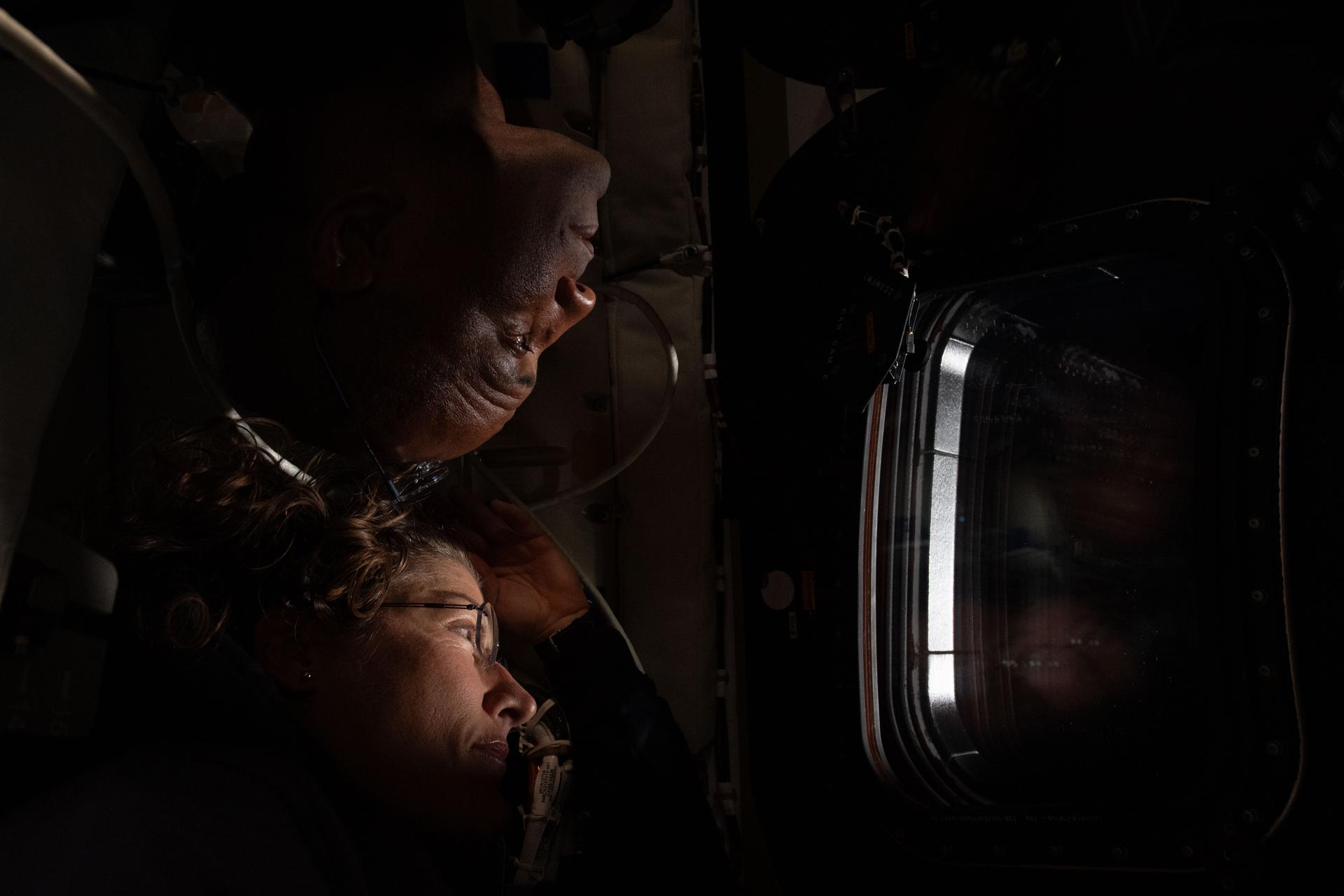
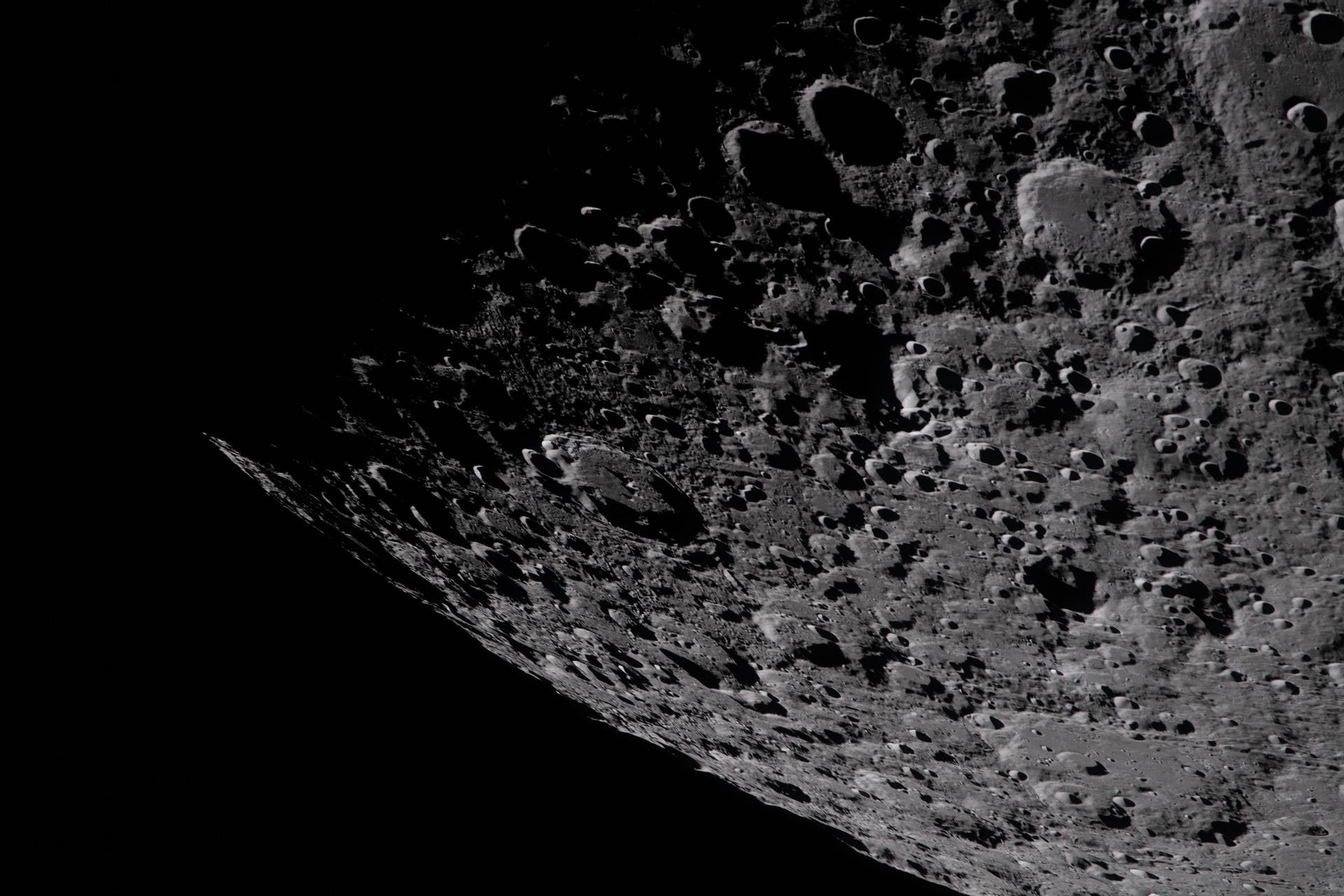
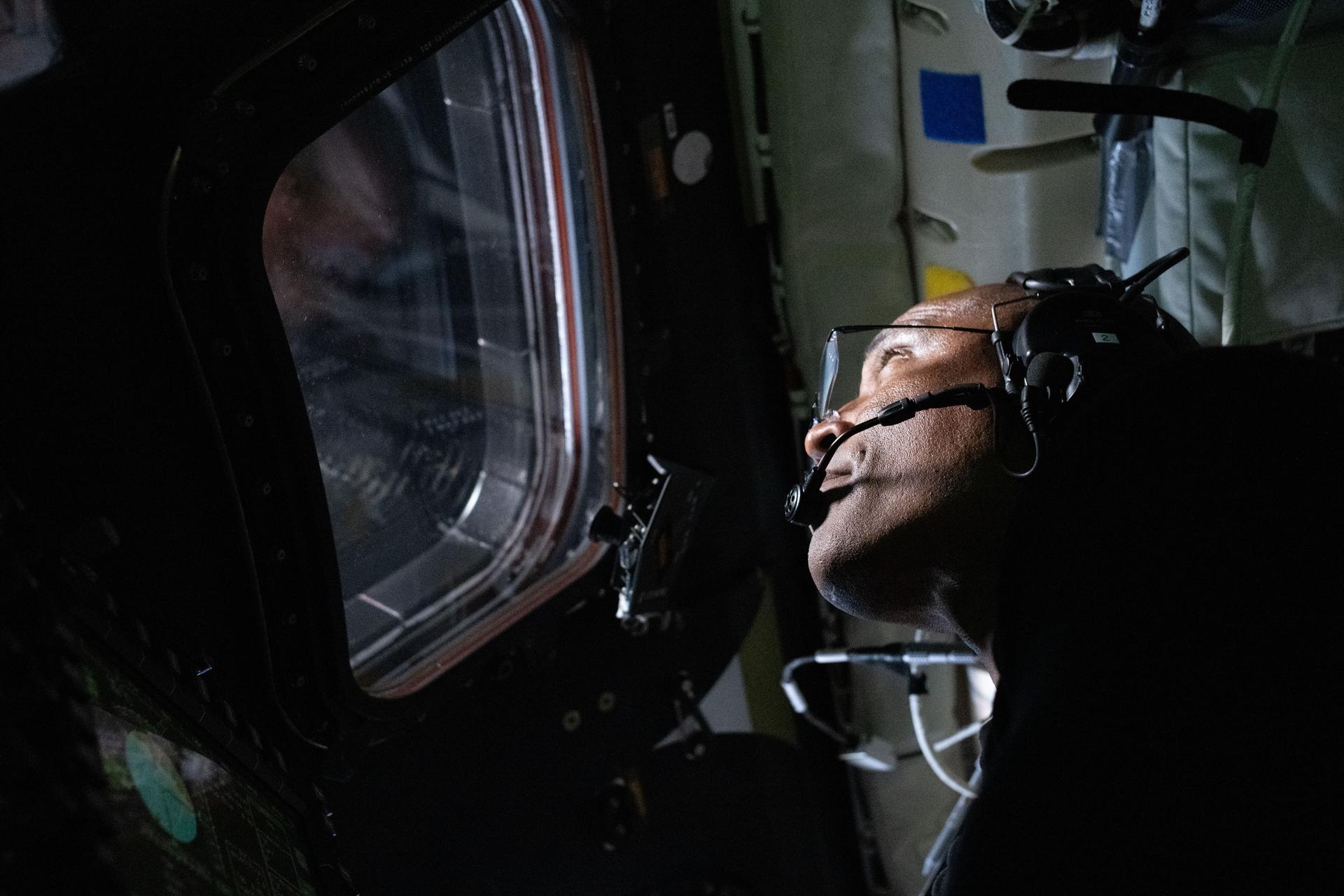
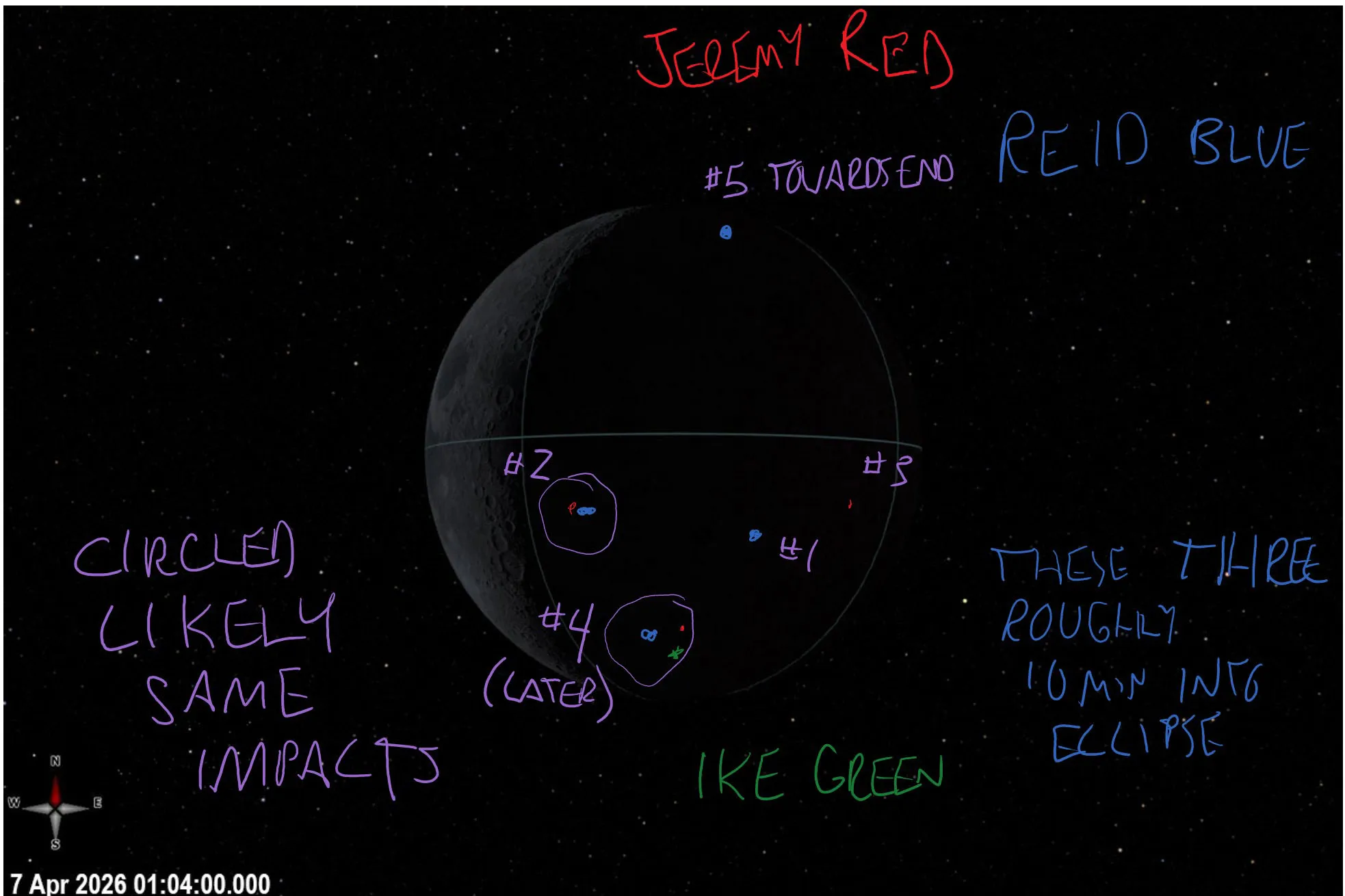
The October 7 release includes more than 11,000 full-resolution images and videos captured with handheld and Orion spacecraft cameras. NASA also published 8.5 hours of crew science audio, images annotated by the astronauts, mission reports and a guide for people using the data.

The release covers the mission's broader lunar science record. NASA's separate multimedia collection also includes launch, flight, return and recovery material.

A human view of the Moon

NASA calls the release the first planetary science dataset captured primarily by humans in more than half a century. The astronauts photographed and described lunar features while scientists on Earth helped direct their observations.

NASA says the astronauts' quick decisions about observation targets and which images to capture, together with their perceptions and discussions, complement records from Apollo-era missions and robotic spacecraft. The agency says scientists are already using those observations to refine plans for Artemis III and later missions.

The archive extends beyond imagery. Crew audio preserves spoken observations made during the flyby, while annotations connect selected views to the features the astronauts were examining. The accompanying reports document how the science program was prepared and carried out.

The flight behind the archive

Artemis II launched April 1 and splashed down April 10 after 9 days, 1 hour and 32 minutes. The crewed lunar flyby carried NASA astronauts Reid Wiseman, Victor Glover and Christina Koch, along with Canadian Space Agency astronaut Jeremy Hansen.

NASA's official multimedia hub organizes a smaller, curated selection for general viewing. Its Return to Earth gallery lists 11 images and one video, while other galleries cover the lunar flyby, journey to the Moon, mission science, launch and recovery.

The newly public science archive is much larger than those curated galleries. It preserves the observations, context and documentation researchers can use as NASA prepares for another crewed mission deeper into the Artemis program.

Sentiment

Positive——Negative

Summary

Not enough discussion yet.

No sentiment analysis available yet.

Useful links

NASA

NASA Releases Artemis II Lunar Science Data, Images

NASA

Artemis II Multimedia

NASA Science

Artemis II Preliminary Lunar Science Report - NASA Science

NASA

Artemis II Crew Moon Photo Annotations

Sentiment

Positive——Negative

Summary

Not enough discussion yet.

No sentiment analysis available yet.

Useful Links

NASA

NASA Releases Artemis II Lunar Science Data, Images

NASA

Artemis II Multimedia

NASA Science

Artemis II Preliminary Lunar Science Report - NASA Science

NASA

Artemis II Crew Moon Photo Annotations

Useful Links

NASA

NASA Releases Artemis II Lunar Science Data, Images

NASA

Artemis II Multimedia

NASA Science

Artemis II Preliminary Lunar Science Report - NASA Science

NASA

Artemis II Crew Moon Photo Annotations

Related

Inside IC 1805, the glowing Heart Nebula

NASA’s image archive describes a vast star-forming cloud powered by young stars about 7,500 light-years away.

NASA Webb teases a new image in World Space Week post

NASA Webb said in an X post for World Space Week that people searching for space facts might come across the telescope’s newest image, but the post itself did not include details about the image.

A young star cluster filled with many stars that display Webb’s unique eight-pronged diffraction pattern. At its center is a yellow star which sports the largest diffraction pattern. To the left of the star, there is a region filled with yellow dust and gas that extends from the star to the left border of the image. This yellow region extends from the bottom, covering about two-thirds of the image. The yellow region has several blue stars of different sizes embedded within. The top third, which lies outside of the yellow region, holds a few bright protostars, within dense gray gas. Those stars illuminate the gas, making it appear blue. A few red outflows from other protostars are visible above this grayish-blue region. To the right of the central star, there is a clumpy, flame-like plume of red dust and gas with protostars that emit a soft white light within. The plume is surrounded by more dense gray gas and dust. 

Image credit: NASA, ESA, CSA, STScI, Processing: Alyssa Pagan.
Crew-13 docks with ISS after record-fast U.S. launch-to-docking trip

NASA said Crew-13’s Dragon reached the International Space Station at 7:05 p.m. EDT on Oct. 1, 2026, after a 7-hour, 55-minute launch-to-docking interval that the agency said was the fastest for a U.S. spacecraft in ISS history.

The SpaceX Dragon, with its nose cone open and carrying four Crew-13 members, approaches the International Space Station for a docking.

6 Sources

NASANASA Releases Artemis II Lunar Science Data, Images10h
Jasmine 🌌🔭@astro_jazwhy is no one talking bout the fact that nasa just casually dropped 1,000 new artemis ii images today??!!!6h
🚀conspiracy_slayer🌕@conspiracyslyrArtemis II reentry Full video with audio: https://www.youtube.com/watch?v=7a4Z8h3K7pY5h
Latest in space@latestinspaceNEWS 🚨: NASA has released onboard video of Artemis II's reentry through Earth's atmosphere 🤩 Top speed: about 25,000 mph1h
    • Home
    • Technology
    • Gaming
    • Entertainment
    • World & Business
    • Science
    • Sports
    • AI
    NASA

    6 Sources

    NASANASA Releases Artemis II Lunar Science Data, Images10h
    Jasmine 🌌🔭@astro_jazwhy is no one talking bout the fact that nasa just casually dropped 1,000 new artemis ii images today??!!!6h
    🚀conspiracy_slayer🌕@conspiracyslyrArtemis II reentry Full video with audio: https://www.youtube.com/watch?v=7a4Z8h3K7pY5h
    Latest in space@latestinspaceNEWS 🚨: NASA has released onboard video of Artemis II's reentry through Earth's atmosphere 🤩 Top speed: about 25,000 mph1h
    Today's Rank

    #7

    Today's Rank

    #7