
Svalbard’s polar bears are showing remarkable resilience to climate change
Researchers took more than 1,000 body measurements from 770 polar bears over 24 years around Svalbard, a Norwegian archipelago in the Barents Sea—an area that has seen an especially acute decline in sea ice over the decades. By 2019, the region’s annual sea ice season shriveled to more than two months shorter than what it was 24 years prior.
Yet the bears showed no decline in their body condition between 2000 and 2019—even as sea ice in their area disappeared. The findings were published on Thursday in the journal Scientific Reports.
...
While what the team observed on Svalbard may be “useful” for studying other areas with similar ecosystems, Aars cautions that the findings don’t mean that all the tens of thousands of polar bears across the Arctic are in equally good shape.
Still, what gives? Why are the Svalbard bears doing so well? Aars and his colleagues aren’t sure, but they think it may have something to do with changes in the polar bears’ diet. It could be that, with less ice, seals “aggregate” on the ice that remains and are thus easier to hunt or that the bears are relying more on walrus carcasses or reindeer for food.
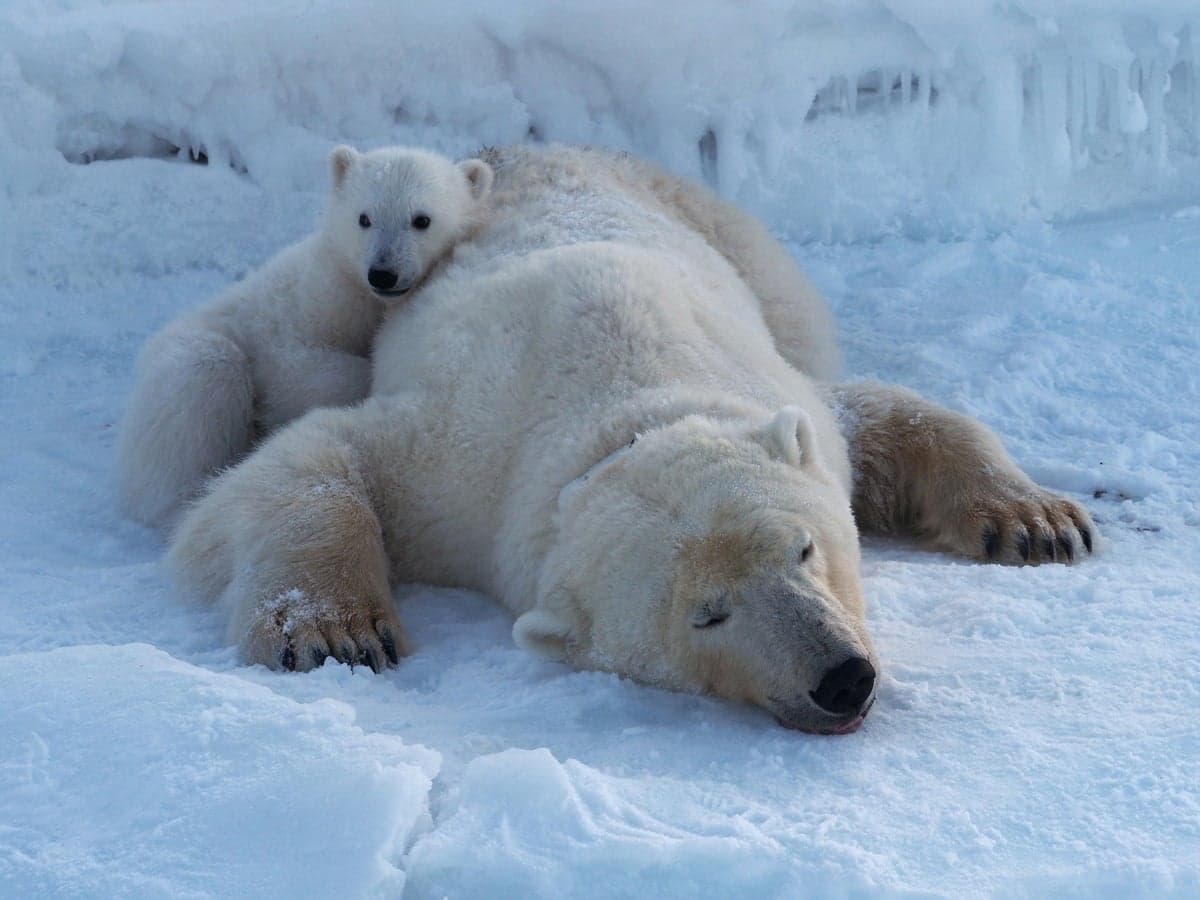
Svalbard’s polar bears are showing remarkable resilience to climate change, maintaining their physical health despite the loss of sea ice. A study by the Norwegian Polar Institute found that these bears have not declined in body condition over 24 years, even as the region’s annual sea ice season shortened by more than two months. Researchers suggest that changes in the bears’ diet, such as relying more on seals, walrus carcasses, or reindeer, may contribute to their resilience.
0 Comments