
15 posts tagged by Digg
 Science
New Scientist is pointing readers to a piece on how El Niño could bring turbulent weather from Australia and California to the UK and Peru.

Science
New Scientist says some of those early migrations failed. It points to new fossils, ancient DNA and archaeological evidence as reshaping the Out of Africa story.

Science
New Scientist reports that the exquisitely preserved fossil was found in China.

Science
New Scientist reports that children as young as 8 in the US are being prescribed GLP-1 weight-loss drugs off-label, sparking debate about potential long-term health effects.

Science
New Scientist describes a plan to warn when the AMOC ocean current might collapse. When that could happen, and how severe the effects would be, remains uncertain.
Science
New Scientist reports that detailed data on the Roman Empire’s road network is offering fresh insight into how Romans built infrastructure and how it influenced Europe’s later geography.

Science
New Scientist reports that UK climate minister Katie White said extreme weather could damage harvests worldwide and favored more local food production over stockpiling.

Science
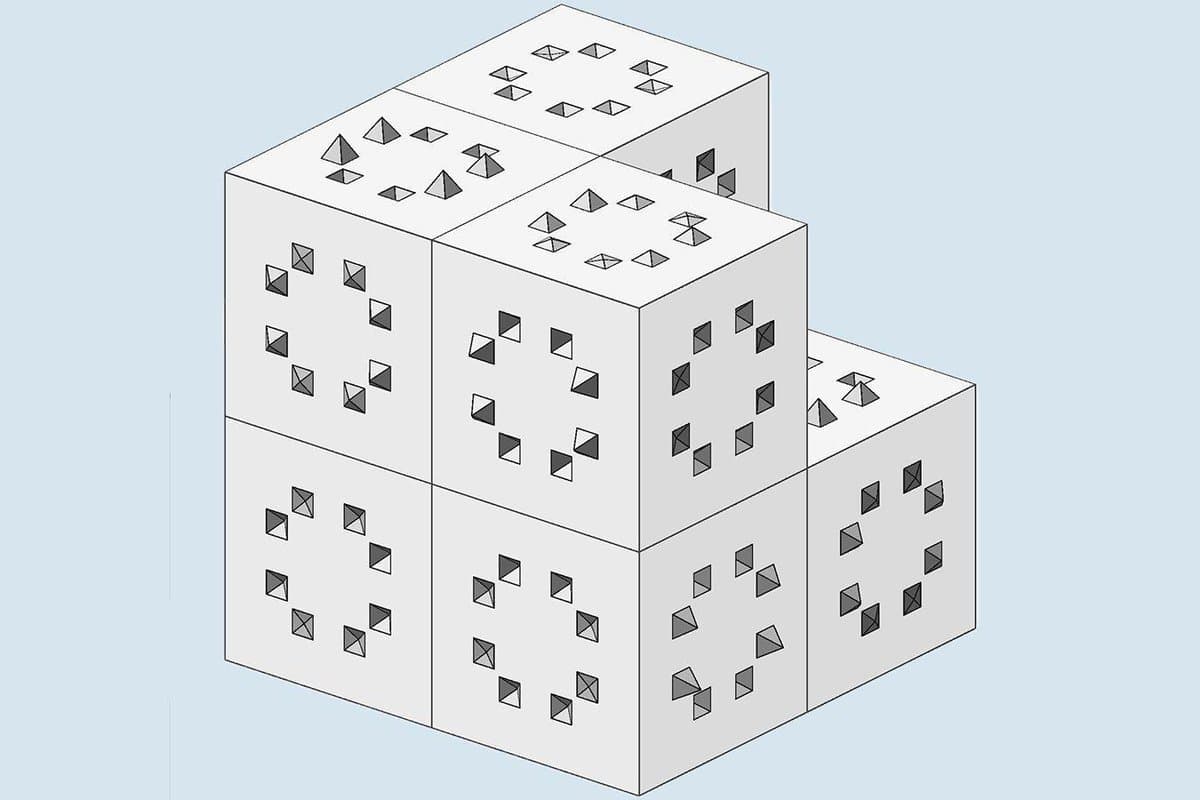
New Scientist reports that the shape fills 3D space without gaps. The researcher behind the finding, who has no academic background in the area, says his work has angered professional mathematicians.
Science
New Scientist reports that hormone replacement therapies may reduce the risk of heart attacks and stroke, but when treatment starts could be critical.

Science
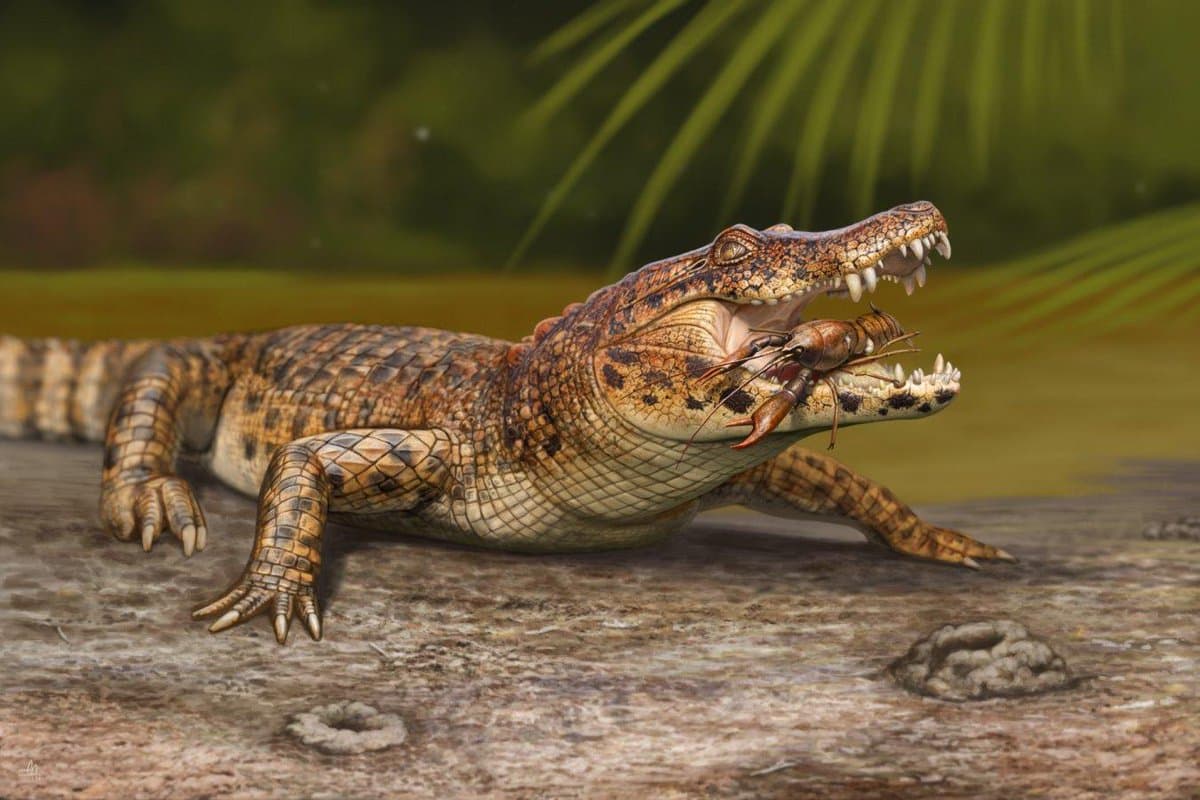
New Scientist reports that large alligators were thriving in North America just a few hundred thousand years after an asteroid wiped out most dinosaurs.
Science
New Scientist reports on advice about mindful eating, enjoying exercise and getting good-quality sleep as an approach to treating depression.

Science
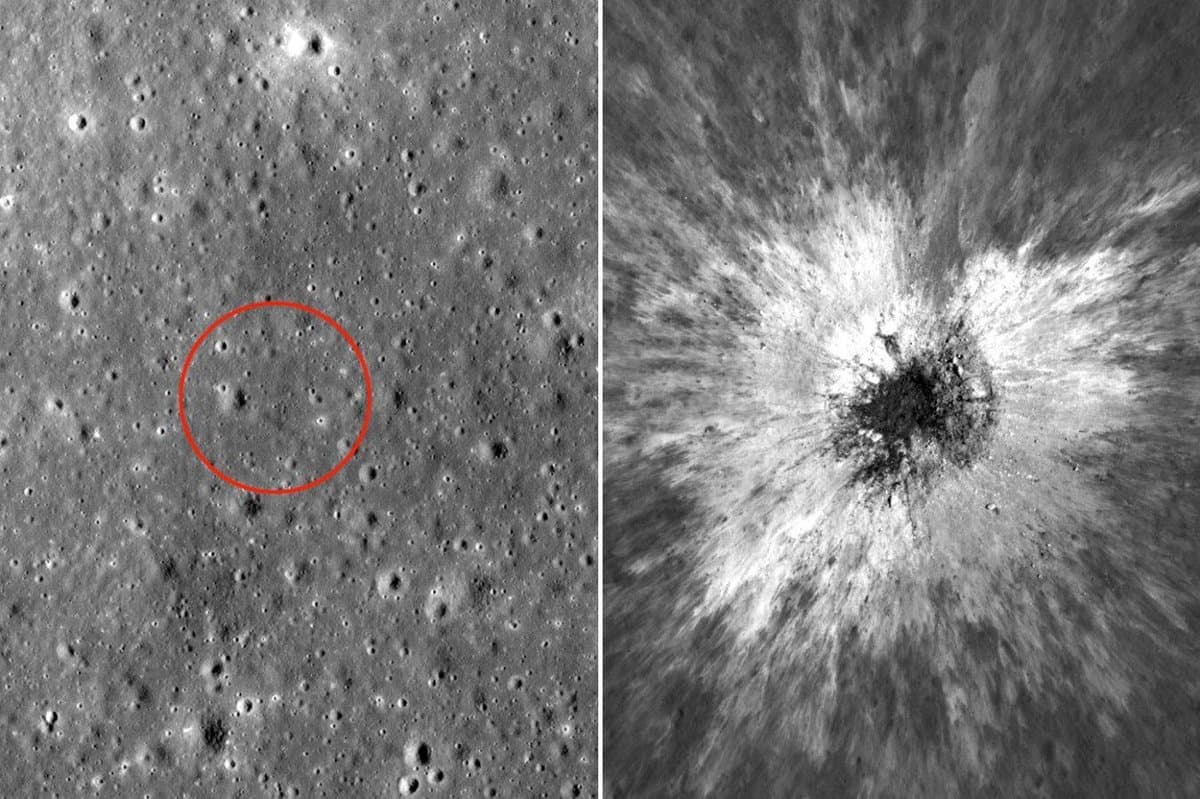
New Scientist says the impact’s widespread effects could help inform future exploration of the moon and similar places.
Science
New Scientist reports that some oceanographers argue reducing fishing quotas, rescuing endangered species from the water and testing geoengineering could soften ocean heat impacts.

Science
A post says human hindbrain neurons develop from a distinct cellular system, suggesting evolution fused two ancient nervous systems with different functions.
Science
Ecosystems such as wetlands emit more carbon as temperatures rise, New Scientist reports, contributing to feedback loops that amplify warming.


