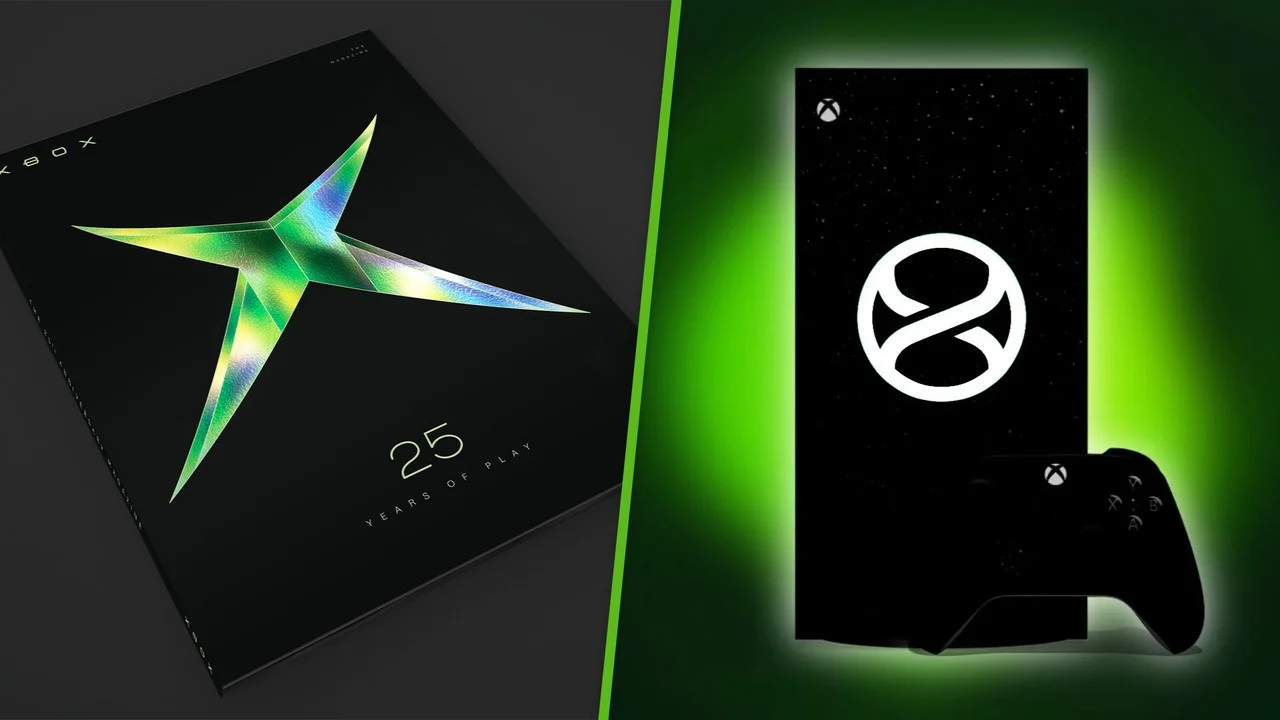
Xbox’s next-generation Project Helix is being designed as a console that can play PC games, rather than a PC that also runs console games, according to reporting on Microsoft’s 25th-anniversary Xbox magazine. The PC games are invited; the PC label apparently isn’t. Source Source
The reports don’t establish which PC storefronts or games will work, how installation and licensing will be handled, or whether players will get desktop operating-system access. Don’t read PC-game support as a promise that every game in your library will make the trip. Source Source
Console simplicity, with room to fiddle
Xbox executive Jason Ronald’s pitch, as relayed by Unboxholics, combines simpler, more immediate access with the ambition to carry forward four generations of Xbox games and players’ progress. VideoCardz likewise reports that Microsoft intends to preserve support for four Xbox generations. That’s a development goal, not a title-by-title compatibility guarantee. Source Source
Ronald also describes optional settings, including performance controls, for players who want to adjust the experience, according to Unboxholics. The aim sounds like console convenience without confiscating the settings menu. The report doesn’t establish exactly which controls will be available. Source
Caschys Blog reports that Helix is intended to have its own interface, informed by Microsoft’s work on handheld interfaces rather than simply adopting the current Xbox mode. The report doesn’t explain how that interface will handle both console and PC games. Source
Better graphics still need a price tag
VideoCardz reports that Ronald acknowledged rising costs from the component shortage and pointed to neural rendering as one possible response. The idea is to generate or reconstruct game graphics more efficiently, improving visuals without proportionally increasing computing power or memory requirements. Source
Ronald told Xbox’s anniversary magazine, in a quotation reproduced by VideoCardz:
“This is a big reason why we’re really focused on advancements like neural rendering, because it’s an entirely new way to generate a frame without requiring more computational horsepower, additional memory, and things like that.” Source
That isn’t graphics processing on the house. As VideoCardz notes, neural rendering still requires processing resources. Microsoft hasn’t supplied specific performance figures or memory requirements for the new rendering features, according to the report. Efficiency could help address costs, but it doesn’t establish what buyers will pay. Source
As of the November 16, 2026, reporting, Helix has neither an announced price nor a release date. Source Source




Comments