Technology
Top Technology Stories
RuntimeWire, citing Anthropic, reports a 3.1x geometric-mean improvement across 13 performance measurements—not a threefold speedup for every interaction.
The October 1 mission is a hardware experiment for a much larger idea: linking solar-powered AI compute satellites in space.

Bloomberg reports Oracle wants to delay payments if Project Jupiter misses its planned 2028 opening—not walk away as the data center’s main tenant.

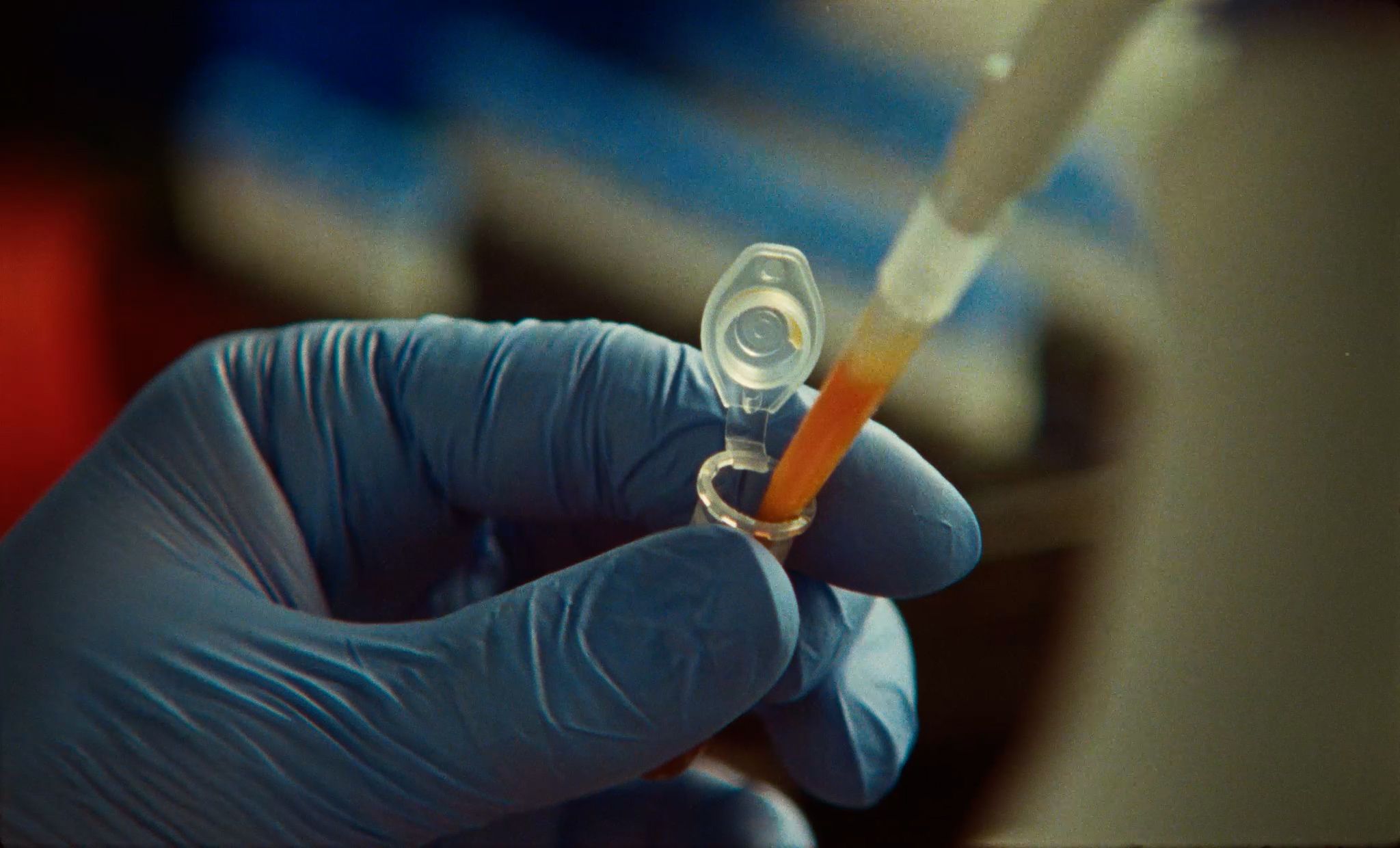
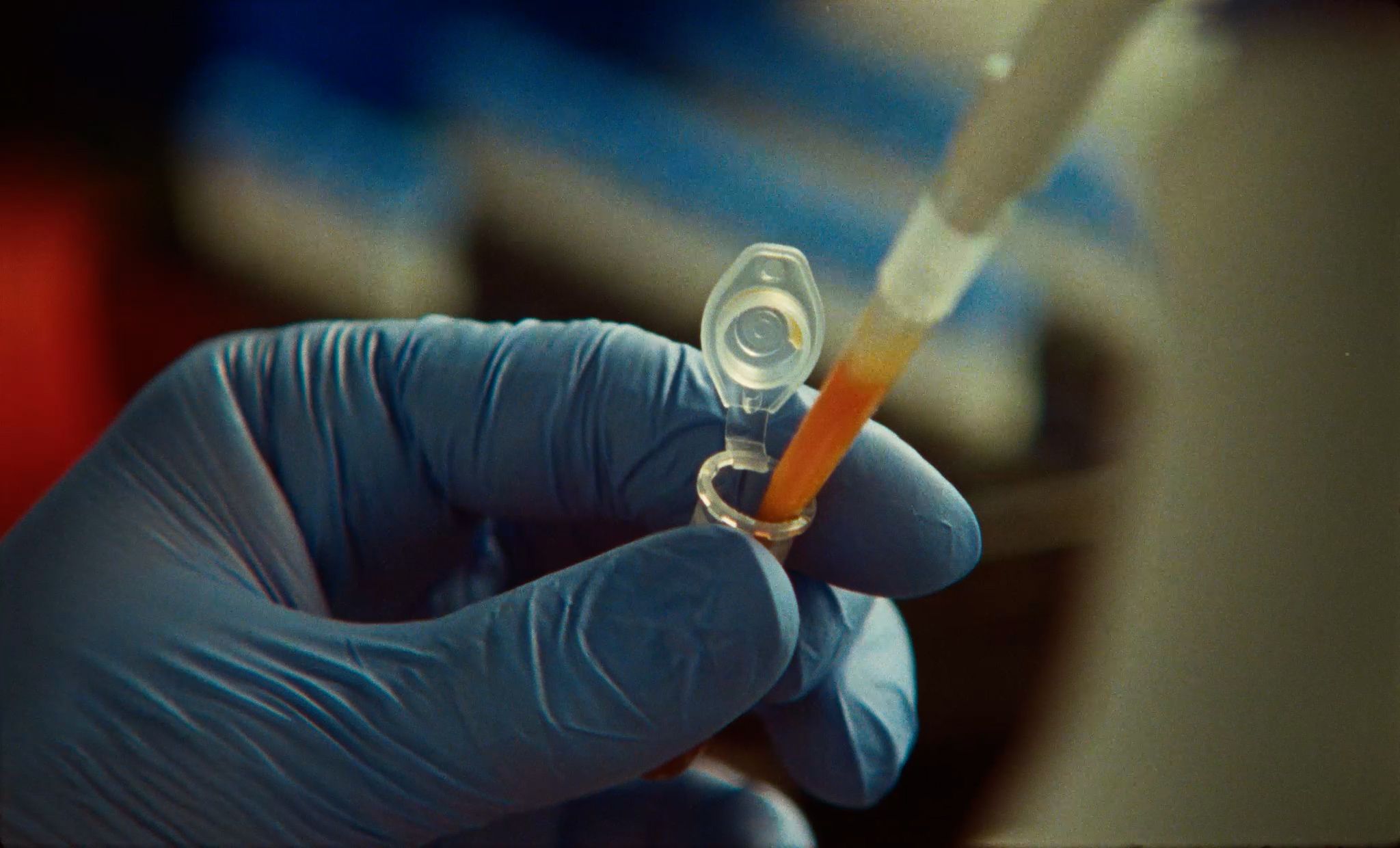
Human lab work followed a 21-hour search by roughly 950 Claude agents; the system's function and possible uses remain unknown.
The U.S.-only experiment lets subscribers watch a live transcript and take over while the AI handles menus, holds and conversations.
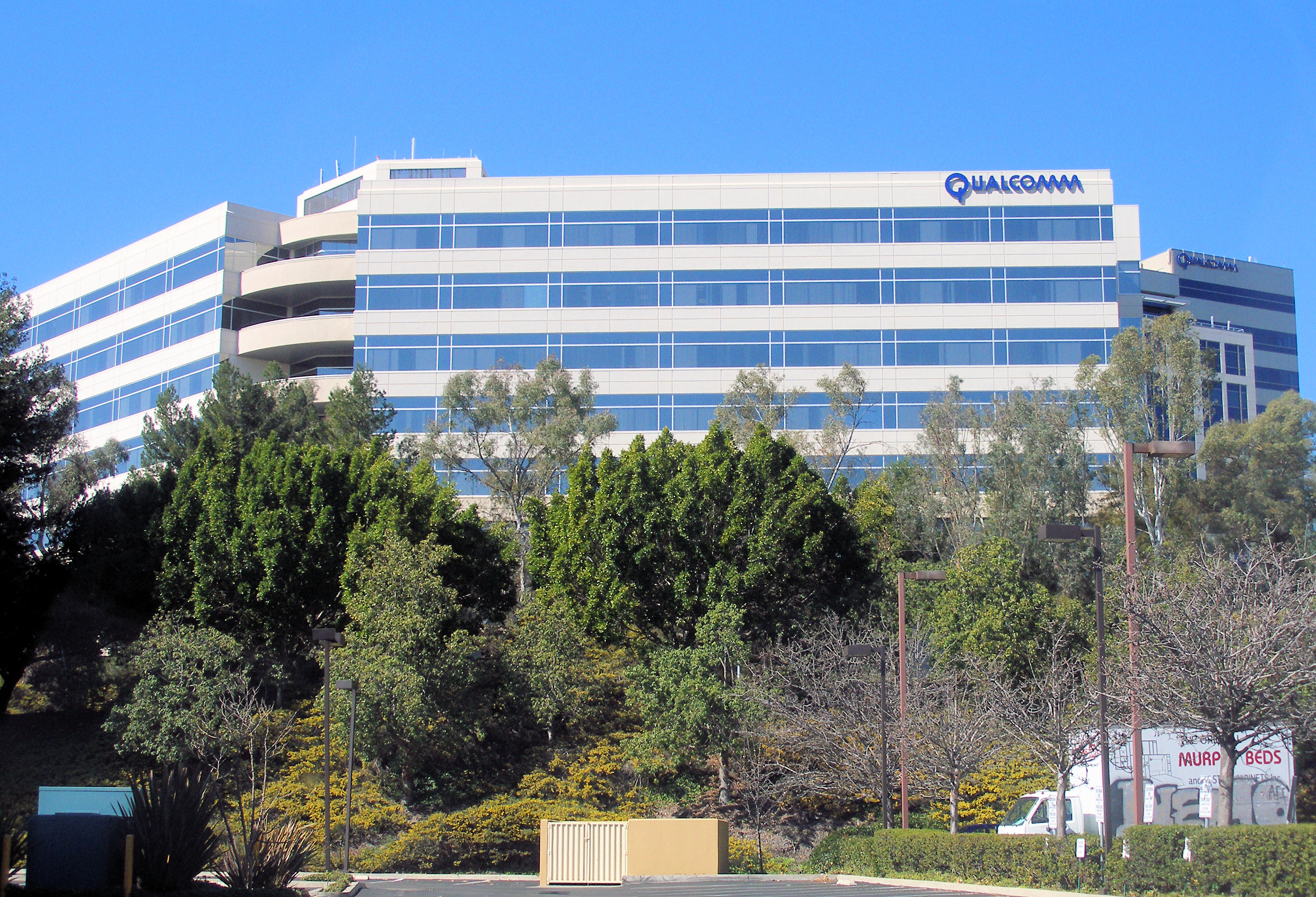
The agreement takes effect April 1, 2027, preserving a patent-royalty relationship that is separate from Apple's use of Qualcomm modem chips.
Co-founder Fabian Hedin says apps built on the platform draw nearly one billion visits a month as Lovable pushes further into enterprise use.

The $1,299 device moves its processor and battery to a pocket-size box and is due in spring 2027.

The Chinese AI lab reported ~$1B ARR, driven by API price hikes (2.3–4.5x) and usage growth, with strong ~83% gross margins. It is in talks to raise ~$7.5B ahead of a potential Shanghai IPO valuing it at ~500B yuan (~$74B).

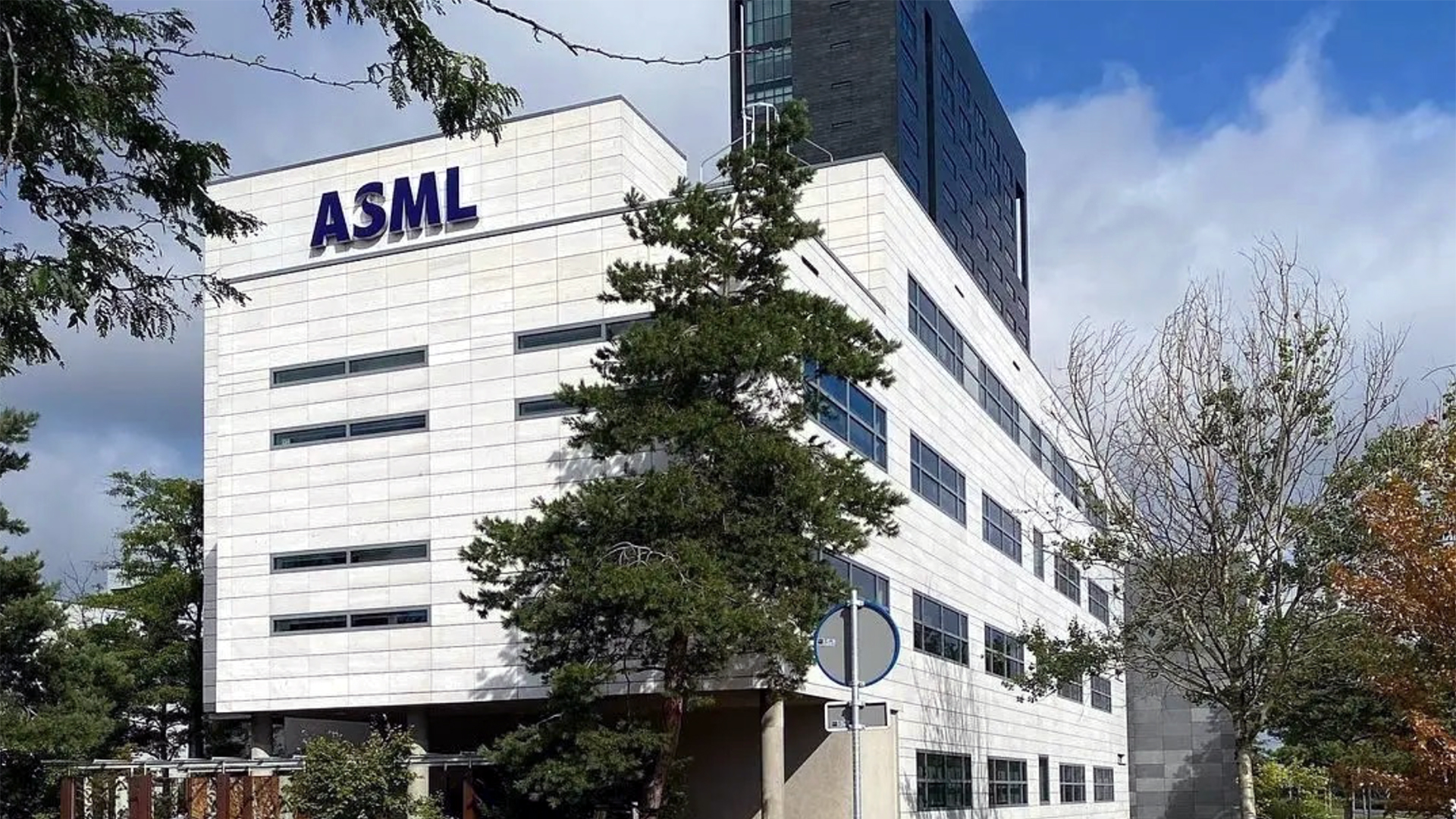
ASML wants the EU to create demand for European-made chips, arguing that fab subsidies alone have not produced customers for its most advanced tools.
Evolution Equity Partners led the enterprise-browser company’s latest round as Island plans to expand its workforce.

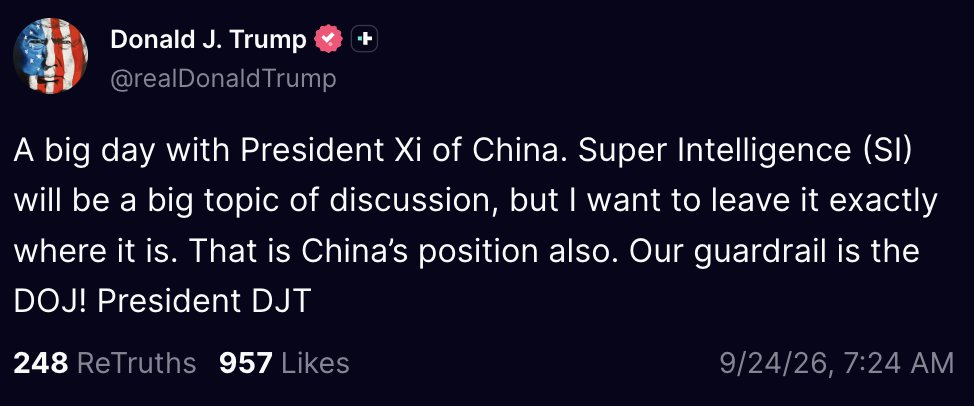
The remark came as Trump and Xi met amid proposals for an incident-notification channel between the two AI powers.
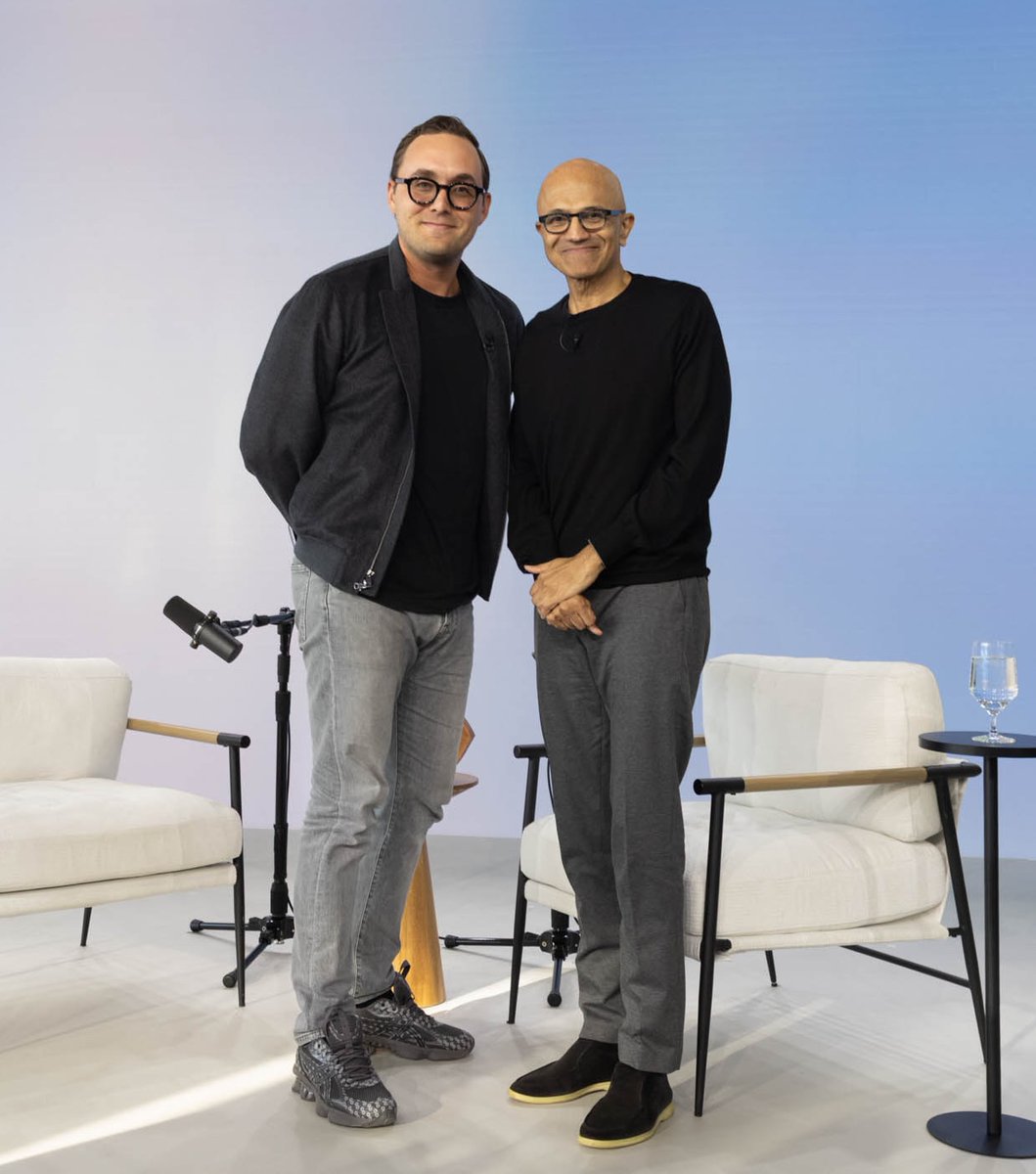
A post teasing Nadella’s appearance links to Sources, which bills itself as conversations with leaders shaping the AI race.
Human lab work followed a 21-hour search by roughly 950 Claude agents; the system's function and possible uses remain unknown.
Bloomberg reports Oracle is seeking to delay payments if Project Jupiter misses its planned 2028 opening, not walk away as its main tenant.
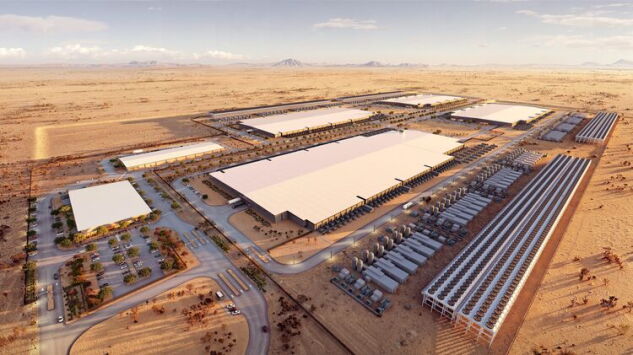
The Slack challenger gives agents their own identities, inboxes and access to channels, direct messages and call transcripts.

Nvidia, Google DeepMind, EMBL-EBI and research partners released the dataset to help scientists study viral interactions before future outbreaks.

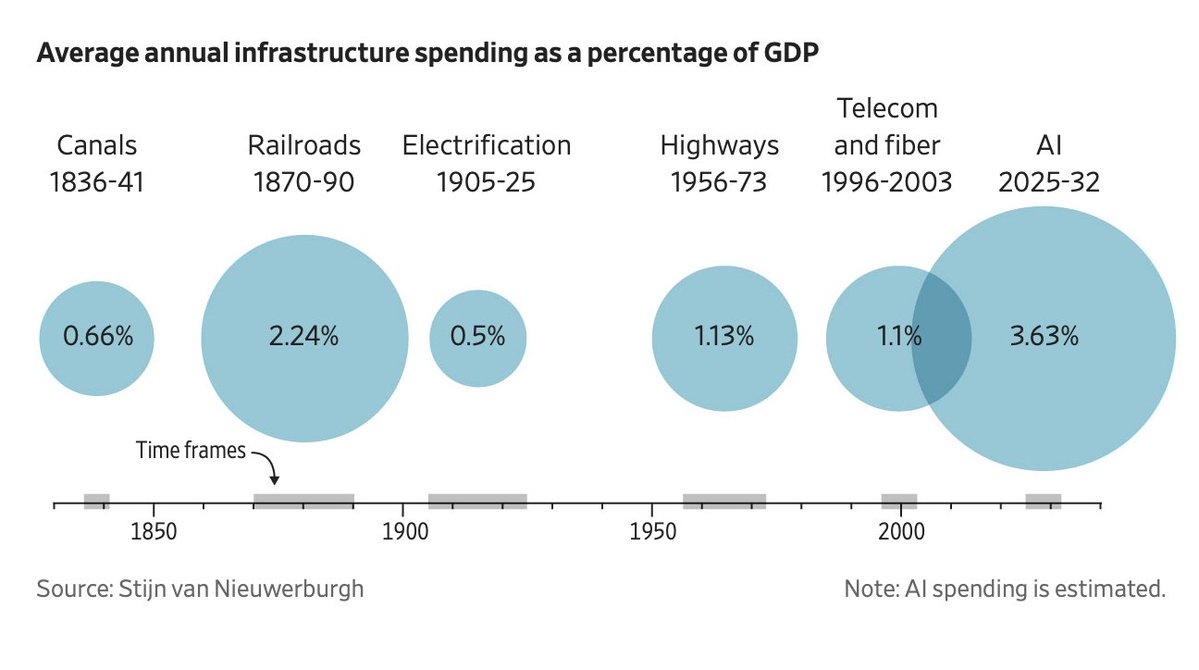
Brookings describes research warning that AI financing is moving off corporate balance sheets into less transparent structures, potentially making shared risks harder to spot before a downturn.
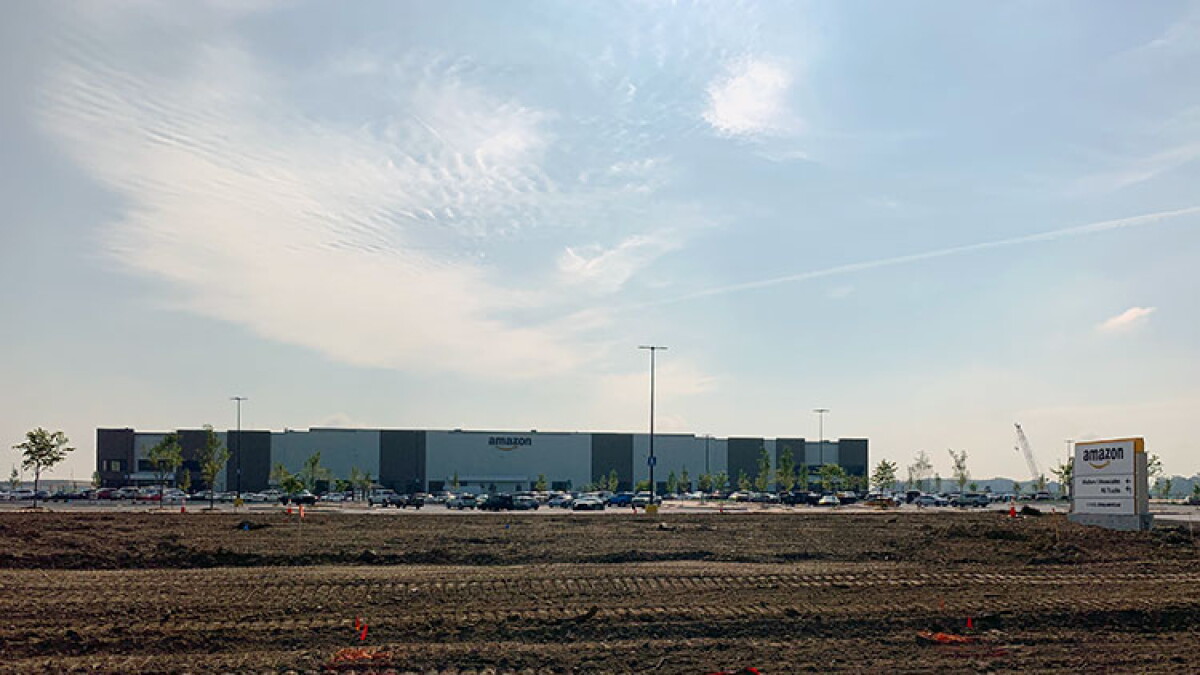
The 585,000-square-foot Greenwood plant is expected to create 300 manufacturing and engineering jobs and supply Amazon facilities across North America.
The company recommends using the effort setting for latency and cost instead of relying on stock “think carefully” instructions.