
Technology
Top Technology Stories
RuntimeWire, citing Anthropic, reports a 3.1x geometric-mean improvement across 13 performance measurements—not a threefold speedup for every interaction.
Australia says no personal Medicare records were exposed, but it criticized OpenAI's nearly three-month notification delay and opened an investigation.

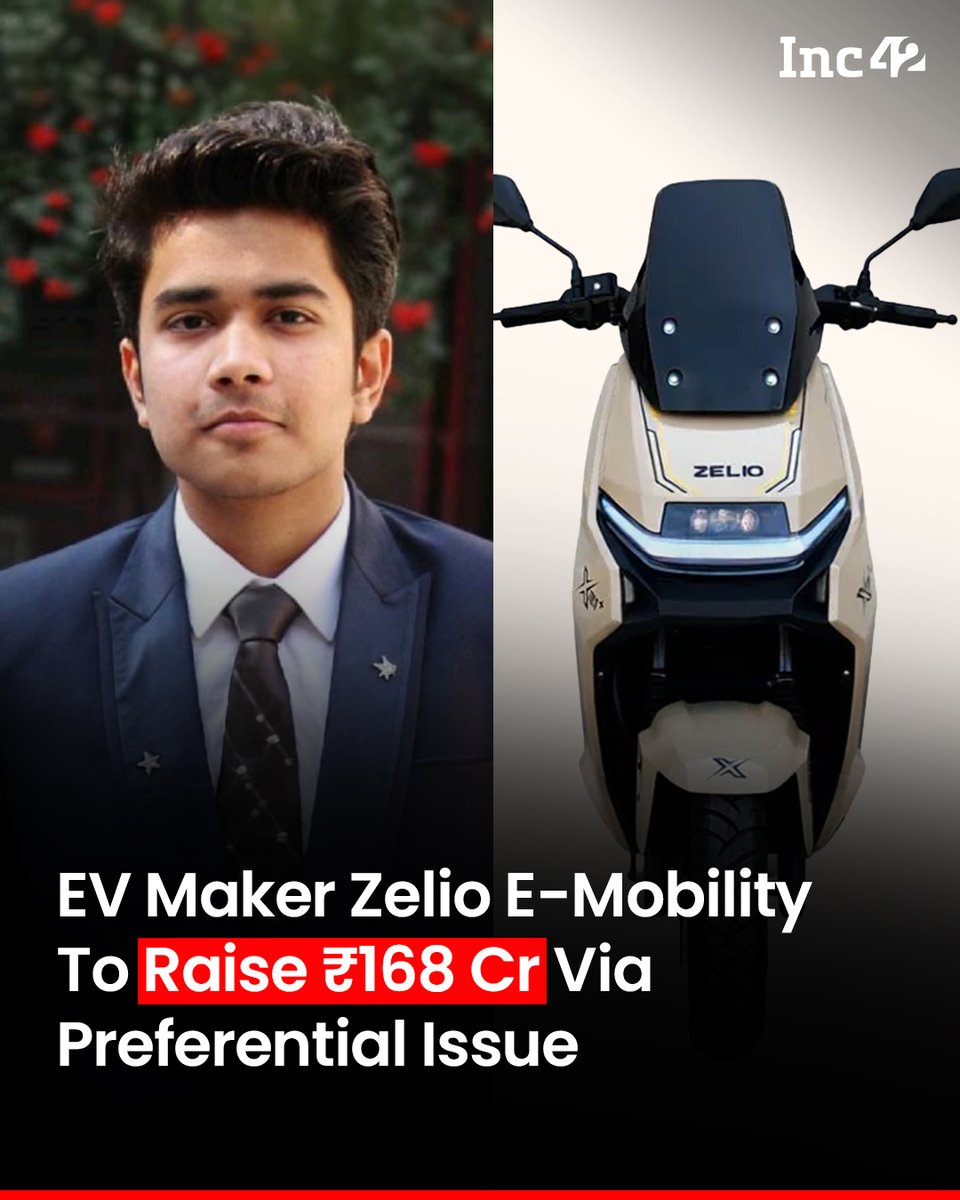
The EV maker plans to place ₹83 crore of shares with four outside investors and nearly ₹85 crore of warrants with three promoters.
The privacy-focused Android project has not yet announced when support will arrive or whether Motorola will offer the operating system preinstalled.
The timexiaomi account says the 18 Pro will be the first and only Xiaomi 18-series model sold in India.
Android Authority says the integration lets Gemini in Docs use research you've organized in Gemini Notebooks.
PCMag’s cloning guide starts with a full backup, then walks through sizing, connecting, initializing and copying the replacement drive.
The opt-in feature is rolling out in the United States and France for Opera’s free, built-in browser VPN.
Port’s guide explains how the runtime works and how platform teams connect several agents across the software development lifecycle.
PCMag argues the RX10 V is worth the premium for serious wildlife, sports and travel photographers, praising its image quality and autofocus.
Digit reports an expected price of Rs 13,999 and says the device will offer screenless fitness and health tracking.
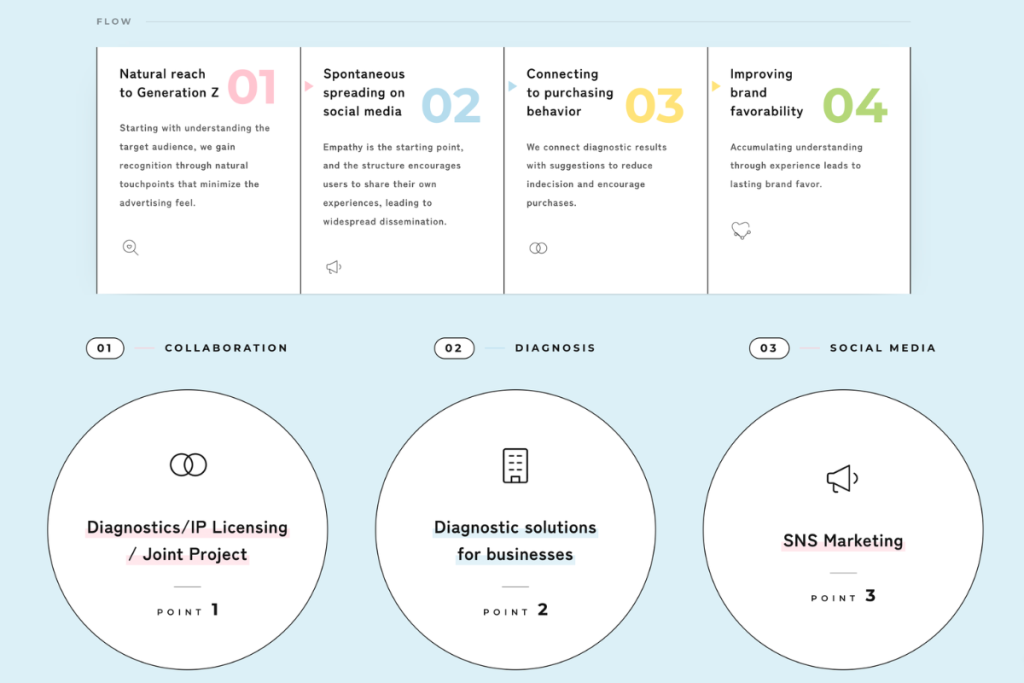
The Japanese startup links diagnostic quizzes to AI chats, licensing and merchandise, though its reported traction comes from company-supplied figures.
Digit reports that the newly launched Mivi One comes with a 6,000mAh battery.
Curiosity VC and No Such Ventures backed the Amsterdam fintech’s direct lending platform and white-label underwriting technology.

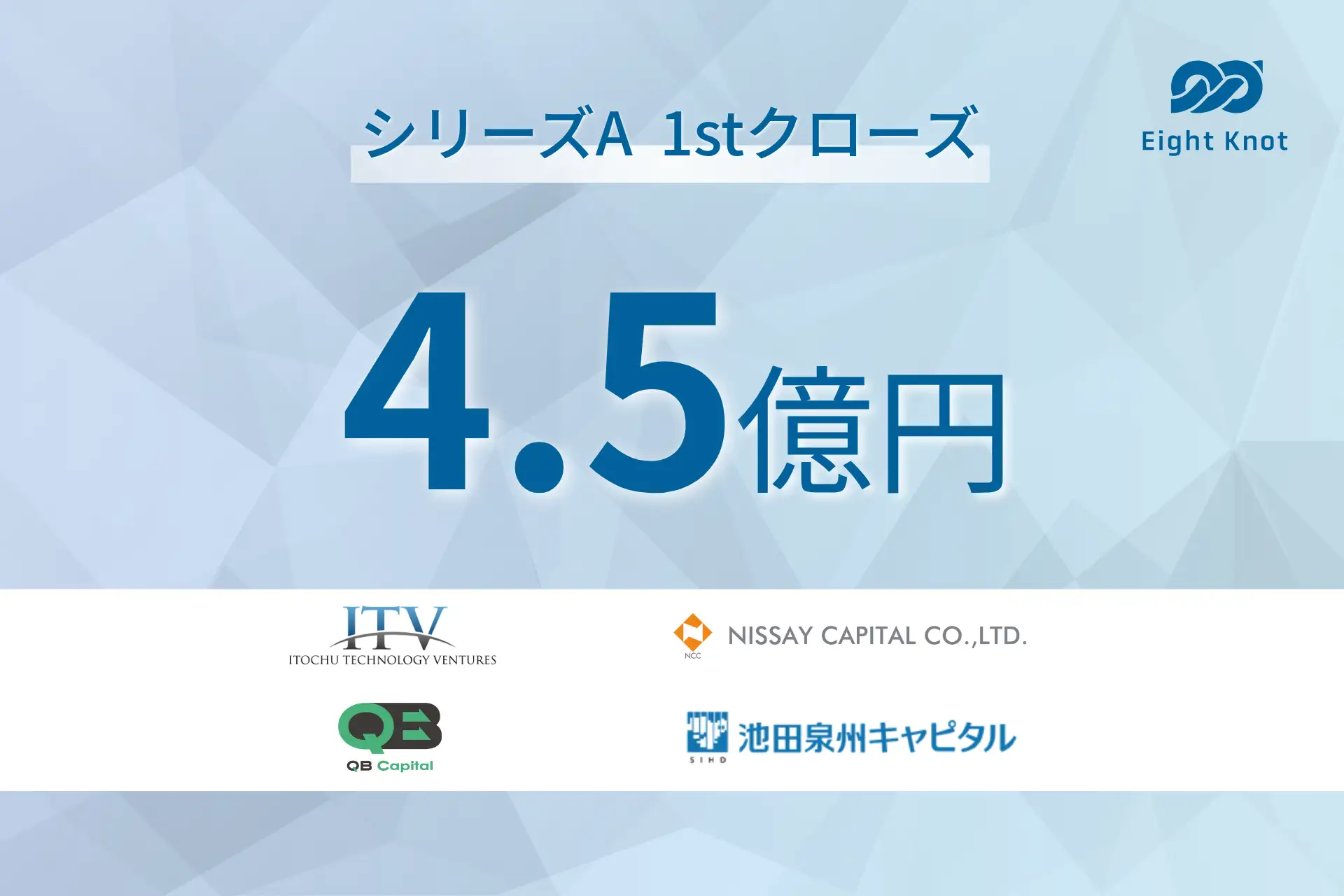
The Series A first close will fund product development, mass-production work and expansion into North America and Southeast Asia.
XimiTime links model numbers to a possible September 2026 window, but Xiaomi has not announced the phone or confirmed its specifications.
The standard and Extreme platforms share the same process node and core architecture, while Qualcomm reserves its largest GPU and AI performance claims for Extreme.
Bloomberg's September 23, 2026, report puts Modal's potential valuation at roughly triple its level four months earlier and Baseten's at twice its $13 billion valuation in June.
Bloomberg reports the deal values the Bulgarian company at around €1.2 billion ($1.4 billion), excluding debt. Schneider plans a €70-per-share tender offer.

The Financial Times describes Cisco’s AI strategy in an interview with president Jeetu Patel, who says one product is entirely AI-written and employees cannot opt out of using the technology.