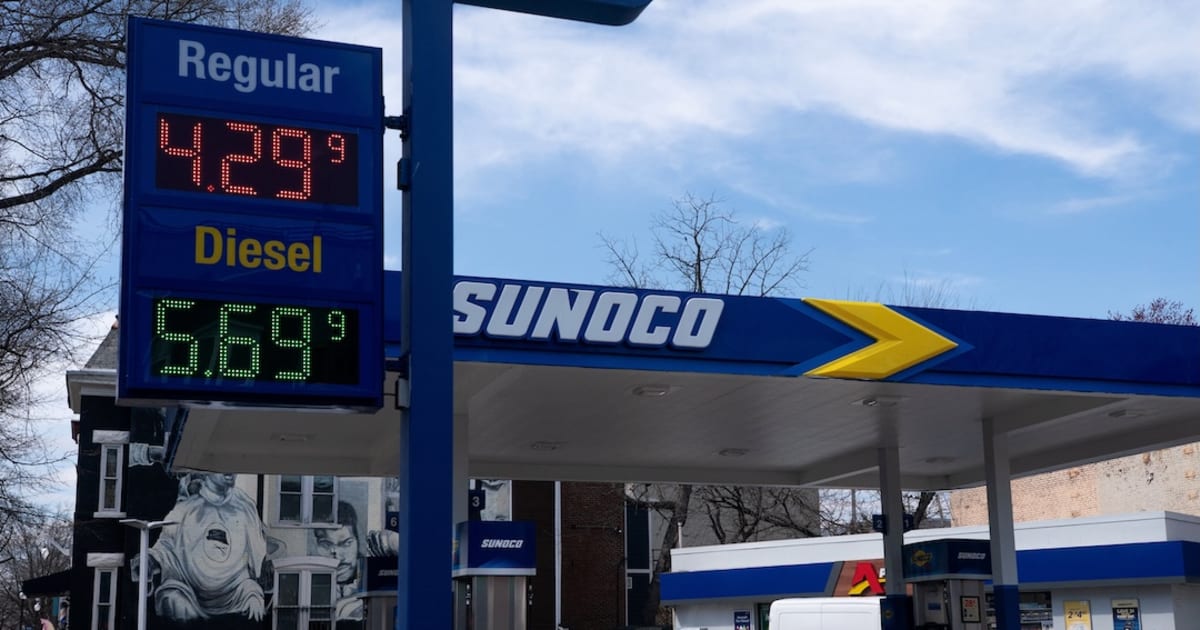
The US Treasury shared remarks from Treasury Secretary Scott Bessent calling the current price surge an energy shock tied to the Iran conflict. Bessent predicted those prices would fall after the conflict, while also arguing that core inflation, food, prescription drugs and rents were moving in a favorable direction.
The latest government data paint a mixed picture. Some prices have fallen, but inflation accelerated in September and energy costs remain a major source of pressure.
What the September inflation report shows
The Bureau of Labor Statistics said consumer prices rose 0.6% in September and 3.7% over the previous 12 months. Core CPI, which excludes food and energy, increased 0.3% for the month and 2.6% over the year, up from a 2.4% annual pace in August.
Energy prices rose 5.2% in September and 20.4% over 12 months. Gasoline climbed 9.1% for the month and 34.2% over the year.
Other categories were more favorable. Grocery prices fell 0.1% in September and were up 1.8% over 12 months. Prescription-drug prices declined 1.2% for the month and 4.5% over the year, with the BLS marking the annual decline as the lowest change in that series. Rent of primary residence, however, rose 0.2% in September and 2.8% over 12 months. The latest report therefore does not support a blanket claim that core inflation or rents are currently falling.
How Hormuz reaches the pump and grocery aisle
Oil markets are already reflecting the conflict. Reuters reported that Brent crude settled at $109.86 a barrel on October 16 and US West Texas Intermediate closed at $101.41. Kpler analysts told Reuters that intensified attacks had driven Gulf crude flows sharply lower.
Freight costs add another layer. A Reuters analysis found that one planned US-to-Japan tanker voyage would cost the equivalent of $40.50 per barrel, about nine times the previous year's average. Energy economist Kenneth Medlock estimated that every $10-per-barrel increase in shipping costs adds about 23 cents to a gallon of gasoline. Higher fuel and transport expenses then work through the prices of food and other goods.
The pressure extends to farms. International Fund for Agricultural Development President Alvaro Lario told Reuters that disruption to fertilizer shipments, along with higher fuel and transport costs, was beginning to affect harvests and could push food prices higher. He said agricultural commodity prices rose 13% in the third quarter.