What the committee will examine
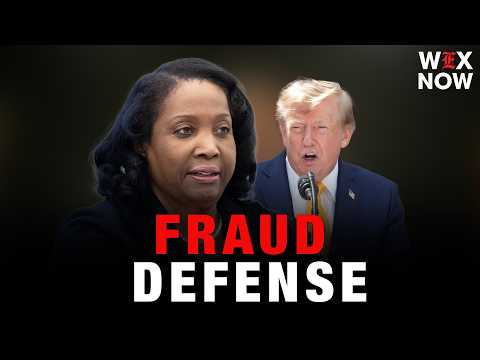
President Donald Trump created a three-member committee to determine whether allegations involving Federal Reserve Governor Lisa Cook could amount to legal cause for her removal. The October 7 presidential memorandum says the inquiry concerns claims that Cook made false statements connected to one or more mortgage instruments. It does not treat those claims as established findings.
The assistant to the president for economic policy, the chair of the Equal Employment Opportunity Commission and the director of the Office of Government Ethics will serve on the committee. They may consult other agencies, including the Justice Department, before reporting to Trump on whether there is “cause” to remove Cook under federal law.
A closed hearing is scheduled for November 5 at the White House and may last up to four hours. The committee must provide Cook with the evidence it plans to consider beforehand. She may submit a written position statement, present evidence and witness statements, make legal arguments and be questioned with her counsel present. The hearing will be transcribed, and Cook may file a post-hearing statement by November 10 before the committee delivers written findings and a recommendation.
A renewed removal effort
The committee marks another attempt by Trump to remove Cook from the central bank. Reuters reported that an earlier effort led to a Supreme Court ruling that required adequate cause and a clear process laying out the reasons and evidence. Cook remained in office while the case returned to a federal district court. The Associated Press reported that the court allowed another attempt only if Cook received proper notice and an opportunity to respond.
Cook has denied wrongdoing and has not been charged with a crime, according to the AP. Her attorneys, Abbe Lowell and Norm Eisen, said an objective hearing would show she did not commit mortgage fraud and that there is no legal basis to fire her. They also said they were assessing whether the proceeding could be genuine rather than a procedural formality.