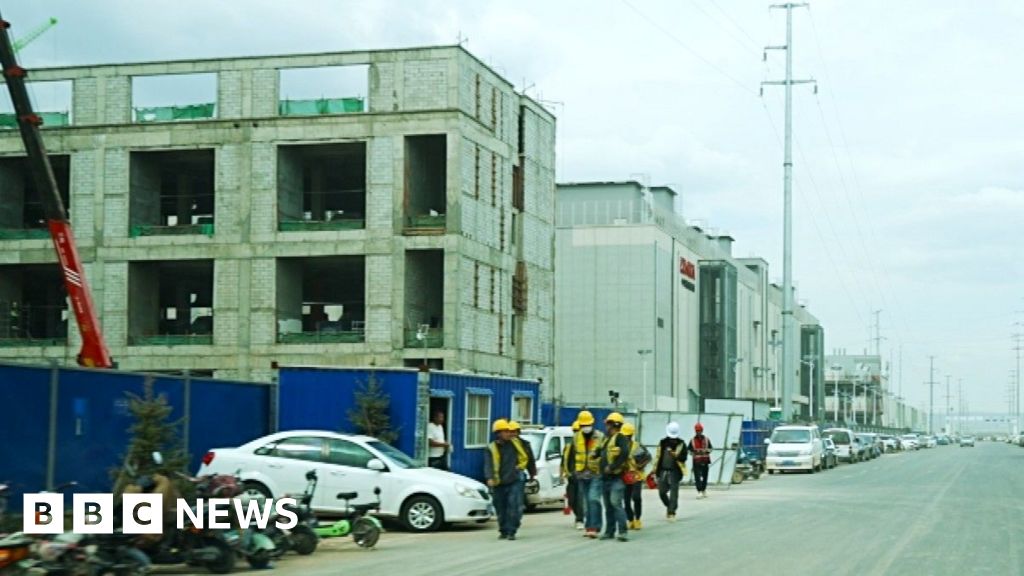
Multistory data centers are rising on farmland around Ulanqab, Inner Mongolia, as China builds infrastructure to challenge the United States in AI. CBS News reports dozens of facilities under construction across Inner Mongolia, with inexpensive energy, land and labor drawing developers to an area long associated with growing potatoes. Source
The climate also helps reduce cooling costs, according to CBS. The power supply includes wind, solar and fossil fuels. Source
China’s manufacturing capacity offers another advantage. NBC’s Nov. 12 report describes a construction approach that moves much of the work into factories. The prefabricated modules weigh 60 tons and are designed to include cooling pipes and cable trays; an interviewee says 90% of the work happens in the factory. A 60-ton module is a fairly persuasive argument for professional assembly. Source
CBS reports that as many as 30,000 construction workers have been brought in from across China to build the Ulanqab hub. A local woman running a food stall outside the construction site welcomed the employment: “Development is the best thing, especially when it provides job opportunities for many young people,” she told the network. Source
Scientific American reported on Nov. 4 that U.S. ballot questions covered moratoriums, attempted rezonings and advisory votes for local officials. In Wells, Maine, more than 80% of voters backed a retroactive 180-day moratorium on data-center development. Source
CBS reports fewer hurdles for Chinese developers, but also notes that China’s government restricts protests and tightly controls media messaging. Less visible resistance isn’t the same thing as unanimous consent. Source
NBC describes a substantial existing U.S. advantage in computing capability and reports that China faces difficulty securing advanced chips, partly because of U.S. export controls. Source
Cheap land and factory-built modules can help get a server hall built. They don’t make export controls disappear.




Comments