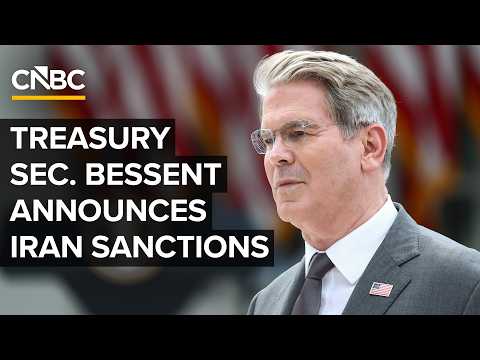
The sanctions cover ships and owners across several jurisdictions
The U.S. Treasury on Thursday sanctioned 17 vessels it described as part of Iran's remaining "shadow fleet," along with companies tied to the ships. Treasury said the vessels transported Iranian crude oil, petroleum products and petrochemicals to markets in South and East Asia. The designations were imposed under Executive Order 13902, which targets Iran's petroleum sector and other parts of its economy.
The list spans tankers registered under more than a dozen flags and owners based in jurisdictions including the Marshall Islands, China, Hong Kong and the British Virgin Islands. Treasury's examples include Paritosh and Bitu, which it said carried Iranian bitumen in 2026; Starway, which it said moved more than 3 million barrels of Iranian naphtha since 2025; and Shenzhen, which it said transported more than 3.5 million barrels of Iranian crude since November 2025.
Treasury also designated companies it identified as operating in Iran's petroleum or petrochemical sectors. The agency said the international ownership network helped obscure the vessels' activity.
Operation Economic Outcast targets oil revenue
The action is part of Operation Economic Outcast, a broader Treasury campaign announced in August. Treasury says the effort is intended to disrupt sanctions evasion and revenue that Iran uses to support military operations and other activities.
Reuters reported that the measures followed the United States' July 14 reimposition of a blockade on Iranian ports after a memorandum of understanding between Washington and Tehran broke down. A Treasury official told Reuters that Iran had about 20 million barrels of crude left on vessels outside the blockade.
Treasury called Thursday's action a major blow to Iran's remaining maritime network.
What designation means
Property and interests in property belonging to blocked people or companies that are in the United States or controlled by U.S. persons must be blocked and reported to the Office of Foreign Assets Control, according to Treasury. Entities owned 50% or more by blocked parties can also be blocked, and most U.S. transactions involving that property are prohibited unless authorized or exempt.
The same announcement removed two ships, Hakuna Matata and Pinocchio, from the sanctions list. Treasury said the vessels had left the shadow fleet and were sold to non-sanctioned operators, illustrating that OFAC can remove vessels when it determines their circumstances have changed.