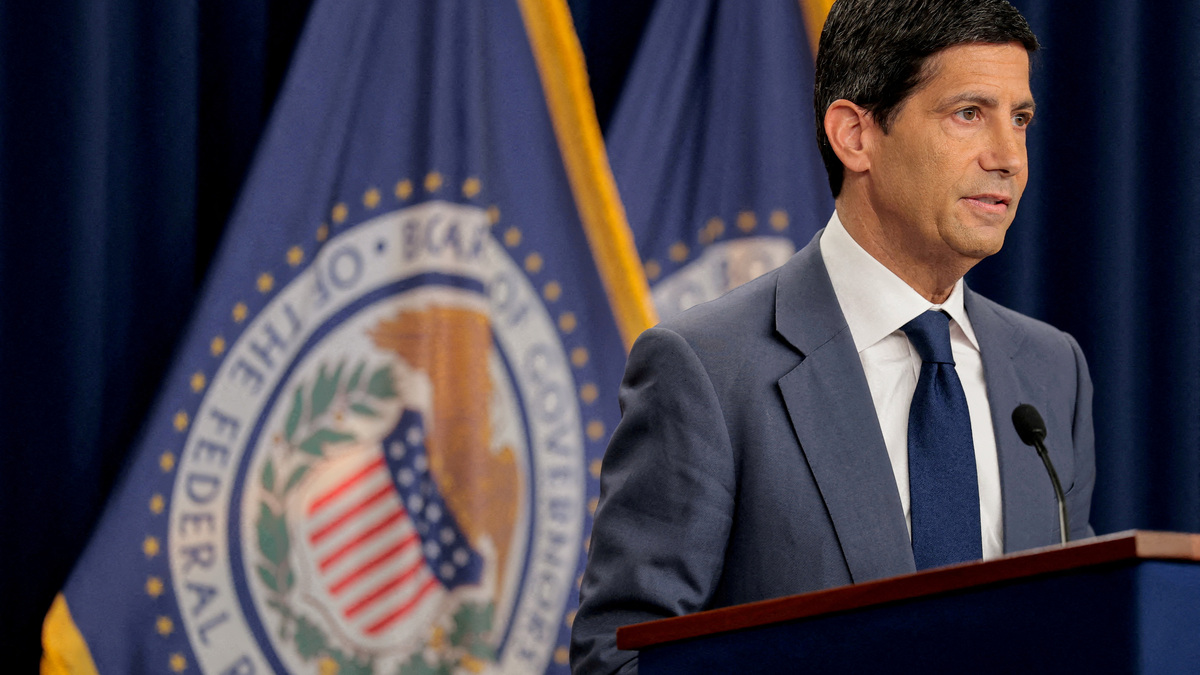
Federal Reserve Chair Kevin Warsh outlined a scenario Monday, November 16, in which disappointing AI returns could send stocks lower, slow the economy and push unemployment higher. Fed staff are beginning to model how the technology could reshape the economy, he said at a productivity and jobs event in San Francisco. Source Source
Warsh emphasized that these were “illustrative scenarios, not forecasts,” according to Axios, which described his remarks as broadly optimistic about AI’s potential. Source
“After significant capital investment and stock market gains, expected returns could turn down and equity valuations could fall, leading to an economic slowdown and a more notable rise in unemployment,” Warsh said in prepared remarks quoted by CNBC. In that scenario, he added, the economy would eventually recover, but without the anticipated productivity gains. Source
Even a productive boom could disrupt jobs
Warsh’s favorable scenario has AI increasing productivity, with workers and owners of capital sharing the gains. Economic growth could persist above its long-run average while the U.S. stays close to full employment. Source
A separate possibility is less comfortable: AI could boost growth while displacing workers rather than helping them do their jobs. In that version, automation could push unemployment above levels consistent with full employment. A more productive economy wouldn’t automatically mean a secure job market. Source Source
Warsh said recent productivity growth had been reasonably strong, but it “hasn’t yet broken out definitively and structurally to the upside,” the Financial Times reported. Source
For anyone hunting for an interest-rate signal, this wasn’t it. Warsh didn’t address the near-term outlook for rates or the economy in his opening remarks, according to The Wall Street Journal. Source
“Our job is to prepare for whatever comes next,” he said, according to MarketWatch. The three scenarios are starting points, not a menu the economy is obliged to order from. Source



Comments