• Home
  • Technology
  • Gaming
  • Entertainment
  • World & Business
  • Science
  • Sports
  • AI
HomeTechnologyGamingEntertainmentWorld & BusinessScienceSportsAI
World & Business
Report

Memory stocks hit by Chinese competition fears amid an AI stock sell-off

An investor argues rising Treasury yields could make AI buildouts harder to finance despite expected growth in compute demand.

monMO
The Daily BlockTD
2 Sources, 1h ago, first seen 1h ago

TLDR

An investor says memory stocks have been hit by fears of Chinese competition, while CRWV shares and bonds face pressure over debt and borrowing costs. They argue that even if compute demand outstrips supply for years, higher yields and costly upfront infrastructure could shrink returns. They expect cash-generating companies with upfront customer funding to fare better than those needing costly loans or share offerings.

Combined views

17.3K

2 Sources, first seen 1h ago

193 likes33 comments16 saves20 reposts
Combined views

17.3K

2 Sources, first seen 1h ago

193 likes33 comments16 saves20 reposts
Image: @thedailyblock on X

Sentiment

Positive——Negative

Summary

Not enough discussion yet.

No sentiment analysis available yet.

Featured Source

Sentiment

Positive——Negative

Summary

Not enough discussion yet.

No sentiment analysis available yet.

2 Sources

mon@moninvestor$IREN, $NBIS & $CRWV AI stocks have been sold off hard, but why? Memory stocks have been hit by fears over Chinese competition. CRWV shares and bonds have come under pressure over its debt and future borrowing costs > nothing new. But when it comes to demand for compute, it is only expected to go up. That is not debatable. ASML recently said that its planned production capacity for 2027 and 2028 will still fall short of customer demand for its chipmaking machines. Literally everyone, including NVDA, AAOI, NBIS are all saying the same thing. That demand will continue to outstrip supply for years. These companies have far more insight into customer spending than us normies. The macro economics argument are much stronger. Something that we don't have control over. US inflation up to 3.7% in September, and Treasury yields jumped after today’s report. That puts more pressure on the cost of funding an already expensive buildout. You can have customers waiting for compute and still struggle to make the numbers work. You have to pay for the land, power infrastructure, buildings and GPUs before that capacity starts generating revenue. If borrowing gets more expensive or construction takes longer, the returns you expected can shrink very quickly and the demand can keep growing while competition pushes prices down. That’s why I think the next stage becomes much more selective. I would expect companies generating cash and securing large customer funding upfront to have an advantage over those constantly needing another expensive loan or share offering. But you have to look at each business individually. A GW of secured power tells you very little about shareholder returns until you know when it becomes usable, what equipment goes into it, what customers will pay and how much it costs to finance. I’m still bullish on the demand for compute. I remain invested heavily in the sector. Macro = Bearish → Something no company can control. Compute = Bullish → Demand the industry expects to outstrip supply for years. They know better than us.1h
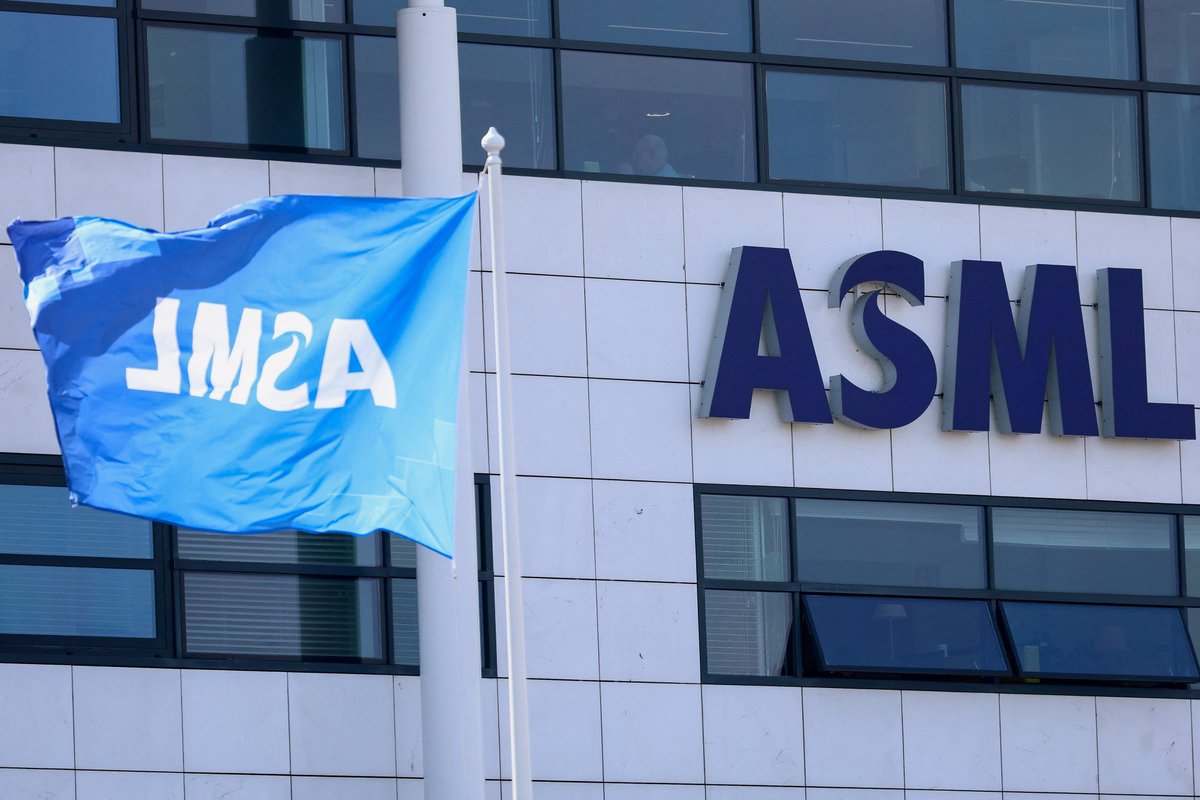
The Daily Block@thedailyblock🚨 BREAKING: ASML Demand Signals AI Boom Is Far From Over Chipmakers are already looking to secure advanced equipment for 2029 and 2030, while ASML warns it may struggle to meet demand in 2027 and 2028. The strong outlook is easing fears that AI spending is losing momentum.1h
    • Home
    • Technology
    • Gaming
    • Entertainment
    • World & Business
    • Science
    • Sports
    • AI

    2 Sources

    mon@moninvestor$IREN, $NBIS & $CRWV AI stocks have been sold off hard, but why? Memory stocks have been hit by fears over Chinese competition. CRWV shares and bonds have come under pressure over its debt and future borrowing costs > nothing new. But when it comes to demand for compute, it is only expected to go up. That is not debatable. ASML recently said that its planned production capacity for 2027 and 2028 will still fall short of customer demand for its chipmaking machines. Literally everyone, including NVDA, AAOI, NBIS are all saying the same thing. That demand will continue to outstrip supply for years. These companies have far more insight into customer spending than us normies. The macro economics argument are much stronger. Something that we don't have control over. US inflation up to 3.7% in September, and Treasury yields jumped after today’s report. That puts more pressure on the cost of funding an already expensive buildout. You can have customers waiting for compute and still struggle to make the numbers work. You have to pay for the land, power infrastructure, buildings and GPUs before that capacity starts generating revenue. If borrowing gets more expensive or construction takes longer, the returns you expected can shrink very quickly and the demand can keep growing while competition pushes prices down. That’s why I think the next stage becomes much more selective. I would expect companies generating cash and securing large customer funding upfront to have an advantage over those constantly needing another expensive loan or share offering. But you have to look at each business individually. A GW of secured power tells you very little about shareholder returns until you know when it becomes usable, what equipment goes into it, what customers will pay and how much it costs to finance. I’m still bullish on the demand for compute. I remain invested heavily in the sector. Macro = Bearish → Something no company can control. Compute = Bullish → Demand the industry expects to outstrip supply for years. They know better than us.1h
    The Daily Block@thedailyblock🚨 BREAKING: ASML Demand Signals AI Boom Is Far From Over Chipmakers are already looking to secure advanced equipment for 2029 and 2030, while ASML warns it may struggle to meet demand in 2027 and 2028. The strong outlook is easing fears that AI spending is losing momentum.1h
    Today's Rank

    —

    Not ranked yet

    Today's Rank

    —

    Not ranked yet