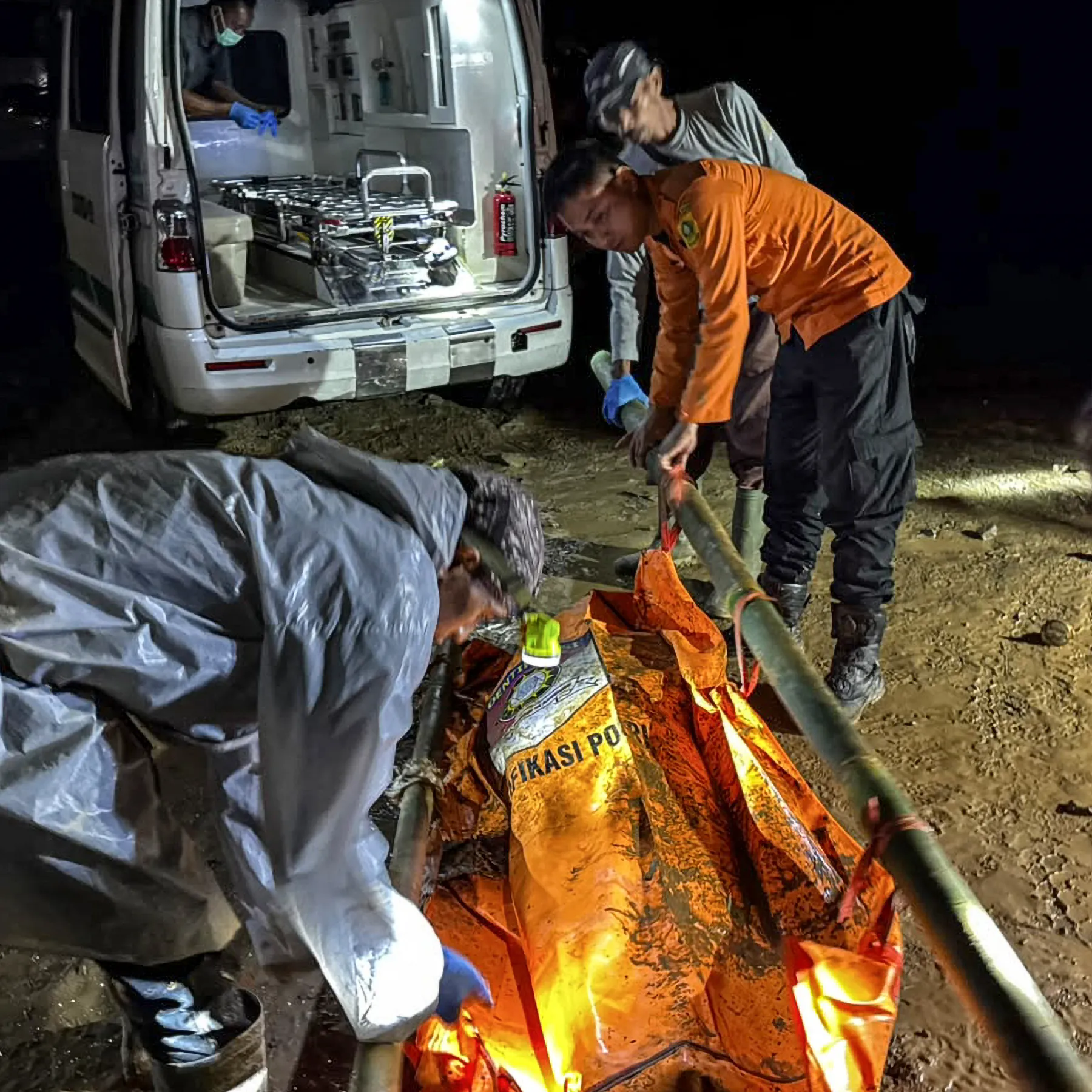
Indonesian authorities confirmed on Thursday, November 26, 2026, that 13 people had died and their bodies had been recovered from a flooded, unauthorised gold mine in West Java. At least 13 others were thought to remain missing as search operations continued in the Pongkor area of Bogor. Source Source
Torrential rain on Monday night caused a nearby river to overflow and flood two mine shafts, according to the BBC’s account. By Thursday, authorities still lacked a reliable count of how many miners had been underground. Source
M Adam Hamdani, head of emergency and logistics at Bogor’s disaster management agency, told Indonesian outlet Detik that the figure remained unclear. “Some say 20 people, others say 29 people,” he said, as quoted by the BBC. Source
Deep shafts and a delayed alert
Rescuers were using ropes to enter dark, slippery shafts that continued to flood from below, the BBC reported. The excavation pits were about 100 metres deep, rescue chief Desiana Kartika Bahari said, according to Al Jazeera. Source Source
“The depth of the shaft, narrow access and limited lighting are key considerations in determining the search strategy so that personnel can operate safely,” Desiana, head of the Jakarta Search and Rescue Office, said in a Wednesday statement quoted by the BBC. Source
Police said they first received reports of trapped miners on Tuesday, about 16 hours after the flooding, Al Jazeera reported. Authorities said local miners and residents had initially tried to pump out the water themselves. State-owned mining company Antam forwarded a formal report to the Jakarta Search and Rescue Agency shortly after midnight on Wednesday, triggering a full-scale rescue operation, according to the same account. Source
Antam holds the business permit for the area, but said the flooded mine was not its operation and was working without its authorisation, the BBC reported. Source
Ombudsman calls for scrutiny beyond the miners
The Indonesian Ombudsman urged a thorough investigation on Thursday, the BBC reported. It called for law enforcement to look beyond the miners to those controlling, financing and supplying illegal mining, as well as those storing and marketing its output. Source
“Law enforcement must target the actors and networks that keep this illegal activity going,” ombudsman member Abdul Ghoffar said. Source



Comments