The Reserve Bank of India is moving a major source of dollar demand out of the spot market while making some currency hedges more expensive. The measures arrive with the rupee trading near its record low after a year of pressure from energy costs, bond yields and capital flows.
Pulling oil demand from the spot market
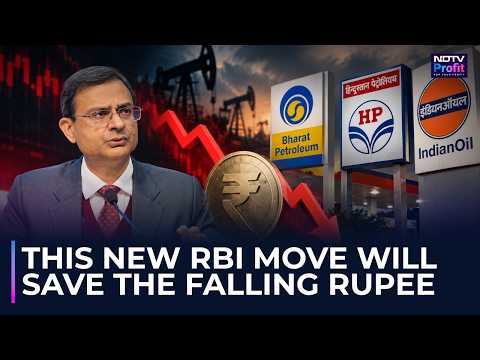
Starting Oct. 12, the RBI will use a special window to meet the entire daily dollar requirements of Indian Oil, Hindustan Petroleum and Bharat Petroleum. The central bank will sell the dollars through designated banks, and the facility will remain in place until further notice.
The three state-run oil marketers need dollars to pay for imported crude. Supplying them separately removes one of the largest sources of demand from the spot foreign-exchange market. Reuters reported that the rupee had fallen more than 7% in 2026 amid surging oil prices and global bond yields. It closed Friday at 96.73 per dollar, near the record low of 96.96 reached in May.
Dhiraj Nim, an ANZ foreign-exchange strategist, told Reuters the window should reduce volatility but would also deplete reserves. The rupee strengthened about 0.6% in thin offshore forward trading after the measures were announced, an initial move that does not settle the currency’s longer-term direction.
Raising the cost of some rupee hedges
The RBI also tightened rules for derivatives involving the rupee. Dealers may no longer allow users to rebook canceled rupee-linked contracts, although contracts may still be rolled over at maturity under existing rules. The limit for certain derivative positions without proof of an underlying exposure was cut from $100 million to $5 million across authorized dealers and recognized exchanges.
Dealers must also obtain an undertaking that a customer has not hedged the same exposure with another dealer. For qualifying contracts above $2 million that hedge current-account exposures where the customer buys foreign currency against the rupee, the new Foreign Exchange Risk Reserve requires dealers to keep cash with the RBI equal to 20% of the contract’s rupee-equivalent notional value until the contract ends.
Reuters reported that earlier measures had brought in more than $140 billion through foreign-currency deposits and offshore borrowing, while the RBI had also intervened directly and raised interest rates. The rupee remained under pressure. The latest steps may reduce volatility, but they do not remove the underlying influence of oil prices, global yields and capital flows.