Bangladesh approved a 36% increase in the minimum monthly wage for entry-level garment workers on November 25, 2026, raising it from 12,500 to 17,000 taka. The decision followed weeks of protests but fell short of workers’ revised demand for 18,000 taka, Reuters and The Associated Press reported. Source Source
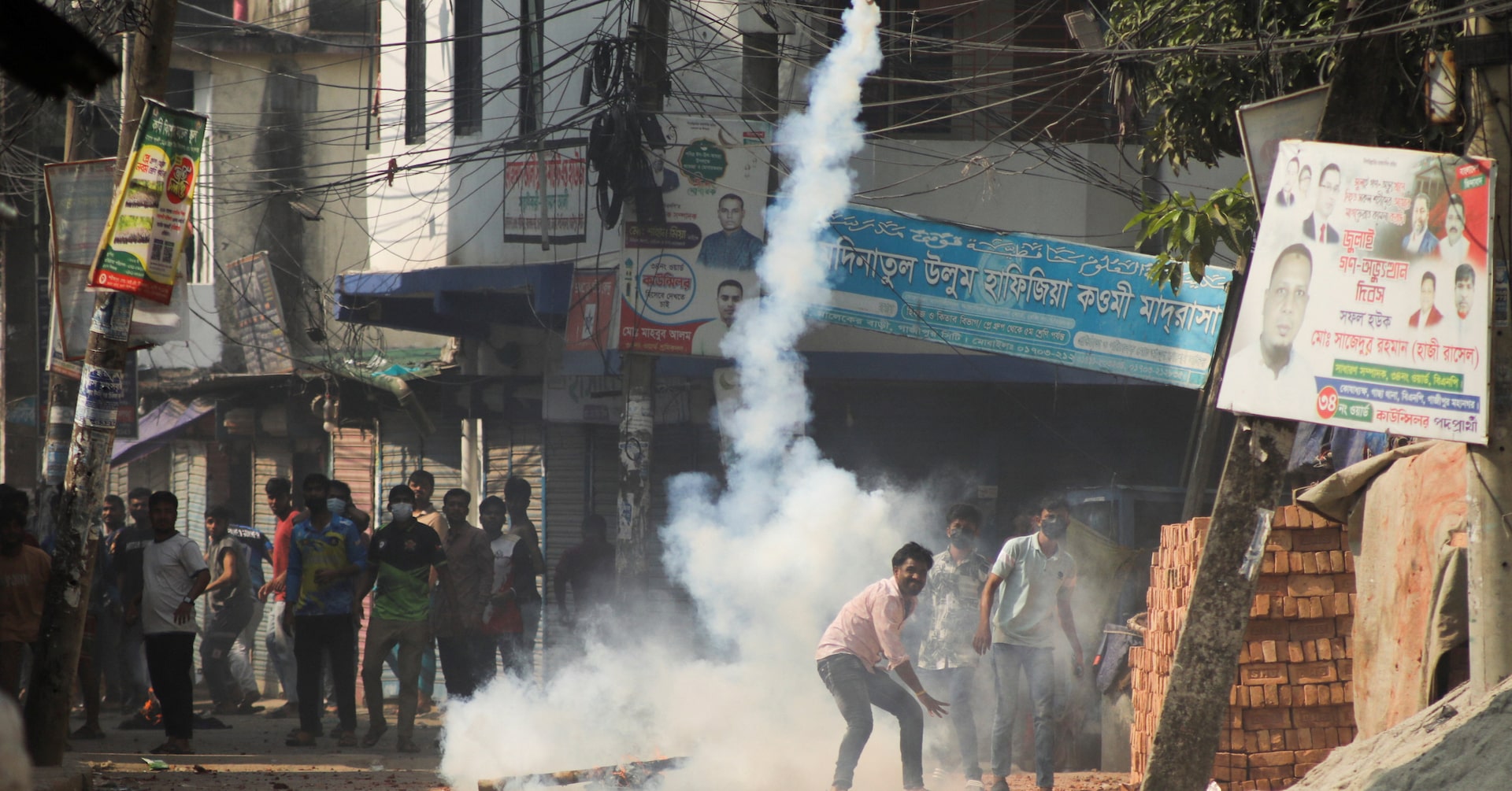
Fresh unrest followed in Gazipur, a garment manufacturing hub outside Dhaka. Workers blocked a major highway, and police said they fired tear gas and sound grenades to disperse them, according to Reuters. Source
The six-member government-appointed wage board approved the new structure in a 4–2 vote after nearly 12 hours of talks. Two members backed the workers’ 18,000-taka demand, workers’ representative Babul Akhter said, according to Reuters. Source Source
Workers had initially sought 32,000 taka before reducing their demand during negotiations, Reuters reported. Factory owners first proposed 15,000 taka and later raised their offer to 17,000. Source
What changes, and when
The new four-grade structure runs from 17,000 taka a month for Grade 4 workers to 21,500 taka for Grade 1. The entry-level floor rises by 4,500 taka. Source
The scale takes effect on December 1, 2026, with workers expected to receive the revised wages from January 2027, Reuters reported. Source
The 36% rise is the smallest percentage increase since the sector first set a minimum wage in 1986, Reuters reported. Previous increases were 56% in 2023, 51% in 2018 and 77% in 2013. Workers said higher inflation had made their lives more difficult, AP reported. Source Source
Garment executive wants brands to share the bill
Garments account for about 80% of Bangladesh’s exports and directly employ about 4 million people, mostly women from rural areas, according to AP. Source
A Bangladesh Garment Manufacturers and Exporters Association survey estimated that 317 factories lost about $428 million in production over 18 days of disruption, Reuters reported. The survey also estimated that buyers shifted about $254 million in orders to other countries. Source
Mohiuddin Rubel, additional managing director of H&M supplier Denim Expert Ltd, urged international buyers to help cover the higher labour costs. Source
“Buyers are our partners and the biggest stakeholders, so sharing the higher wage cost is their responsibility too,” he said, according to Reuters. Source




Comments