
Should AI access be treated as a civil right across generations?
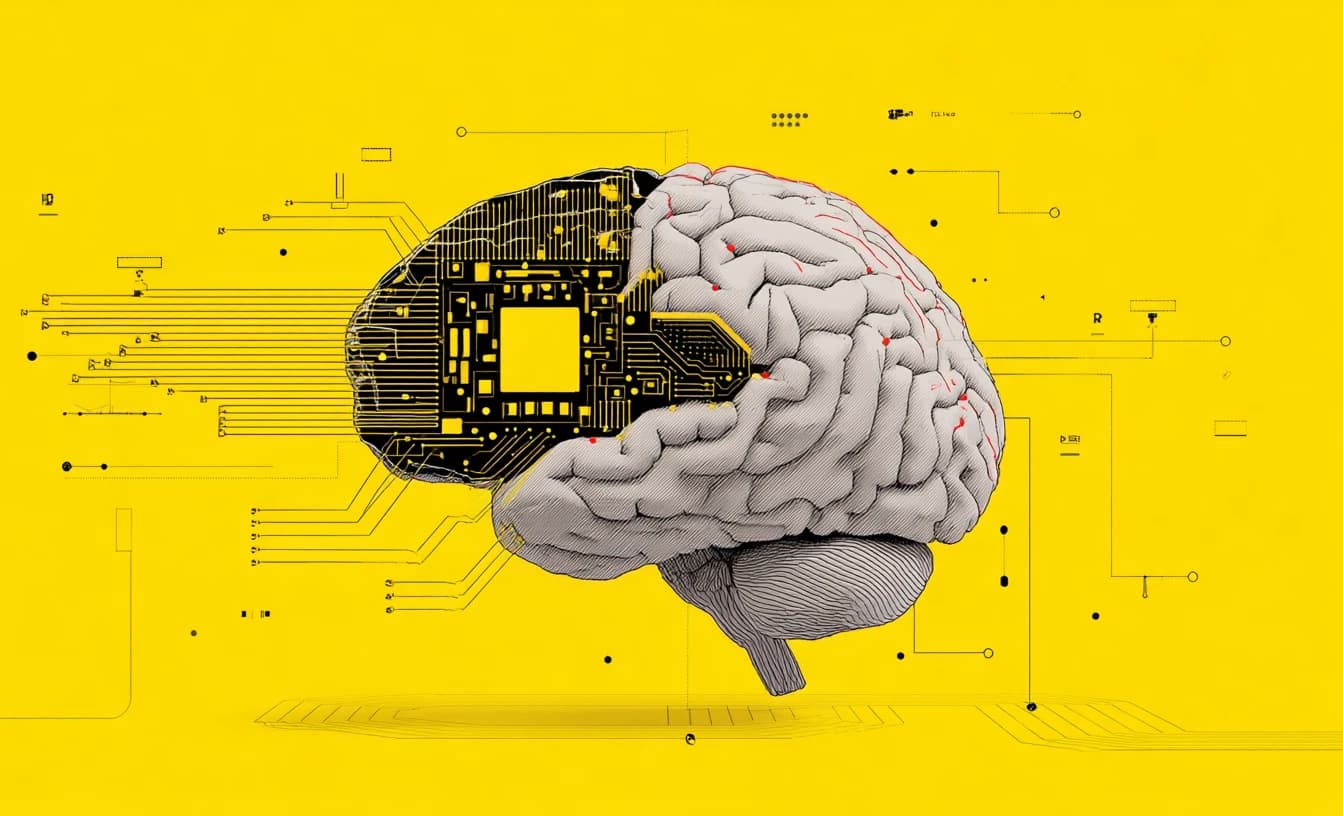
A recent study argues that access to AI should be treated as an intergenerational civil right to protect current and future generations from energy and network limits. The paper proposes a decentralized AI delivery network to manage demand and avoid deepening inequality. The study highlights that centralized AI services create congestion and policy control points, while decentralized inference improves fault tolerance and local control. The authors suggest that without changes to the underlying architecture, AI access will continue to narrow due to economic and technical pressures.
A new study examines what happens when rising demand for AI collides with limited energy, network capacity, and compute, then proposes a new delivery model to avoid deepening inequality. Even if models keep improving, access to AI outputs will shrink over time unless the underlying architecture changes.