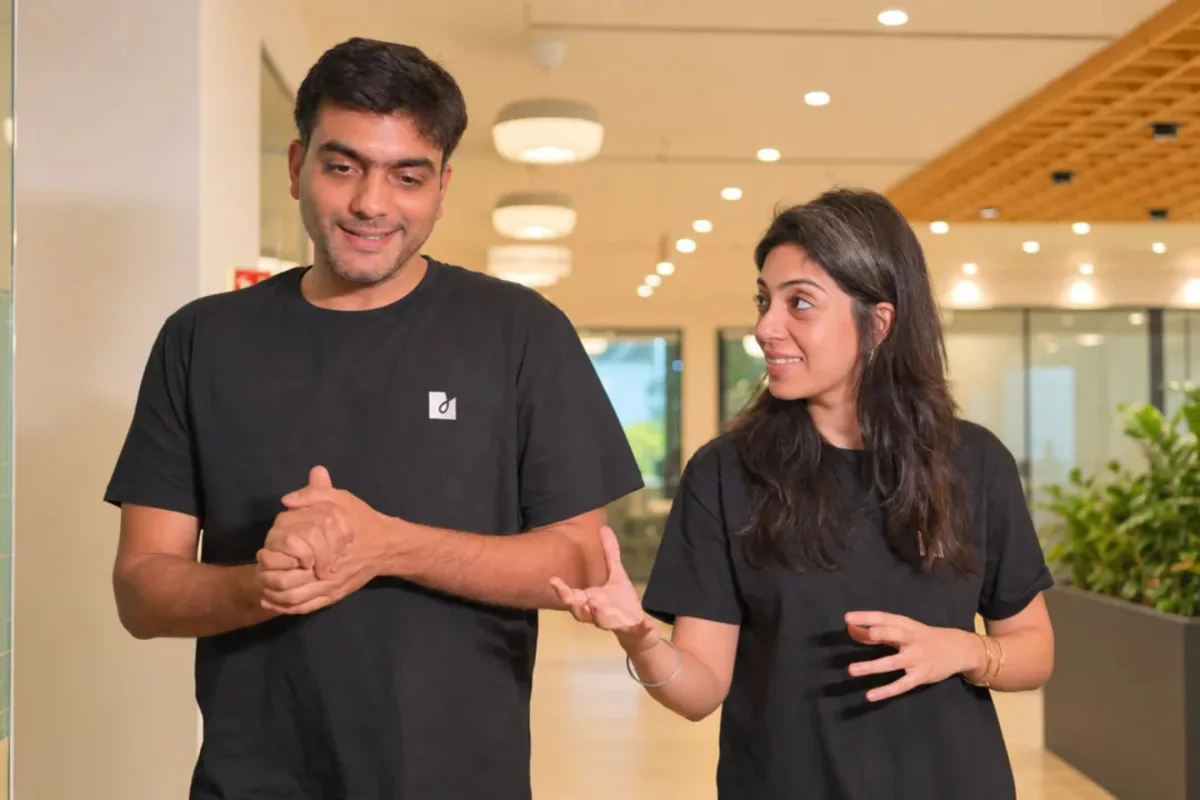
Bharat Semi has raised $24 million in seed funding to develop image sensors that combine image capture, processing and AI on one chip. The New Delhi-based startup wants machines to interpret what they see while sending less visual data to separate processors. Give the sensor more of the homework. Source
The sensors are still under development. Bharat Semi remains pre-revenue and is targeting initial commercial production in 2027, TechCrunch reported. Source
Info Edge Group, South Park Commons and Indus Bridge Ventures led the all-equity round, with Valour Capital, Micromax, Gaingels and individual investors participating. The company plans to spend the money on engineering expansion, completing product development and bringing its sensors to global customers. Source Source
Less passing images around
Co-founder Vrinda Kapoor told TechCrunch the approach could cut system costs by at least 70% compared with setups using a separate image sensor, image signal processor and system-on-chip. The report provides no benchmark methods or independent test results for that estimate. Source
Kapoor described possible uses including an air conditioner that could detect an empty room and adjust automatically, and drones that could process visual information without more expensive computing hardware elsewhere in the system. Source
Bharat Semi is initially pursuing consumer electronics and surveillance customers, according to DealStreetAsia, with broader ambitions spanning markets including industrial automation and aerospace. Source Source
Design wins aren’t deliveries
Bharat Semi says it has secured design wins with U.S. defense technology company General Atomics and India’s Kaynes Semicon, TechCrunch reported. A design win means a customer has selected a supplier’s technology for a planned product; it doesn’t establish that commercial shipments have begun. TechCrunch’s report includes no confirmation from either customer. Source
Kapoor said first-generation sensors are in prototyping. She expects second-generation versions with more advanced AI to reach the prototype stage by mid-2027, and the company plans to get those newer sensors into customers’ hands by the end of that year. That second-generation timetable is separate from the broader target of beginning commercial production in 2027. Source
This isn’t a factory-building round, either. Kapoor told TechCrunch that Bharat Semi’s separately proposed Indian fabrication facility remains in development and won’t receive money from this financing. The image-sensor business plans to remain fabless: it will focus on chip design and software while outsourcing manufacturing. Source



Comments