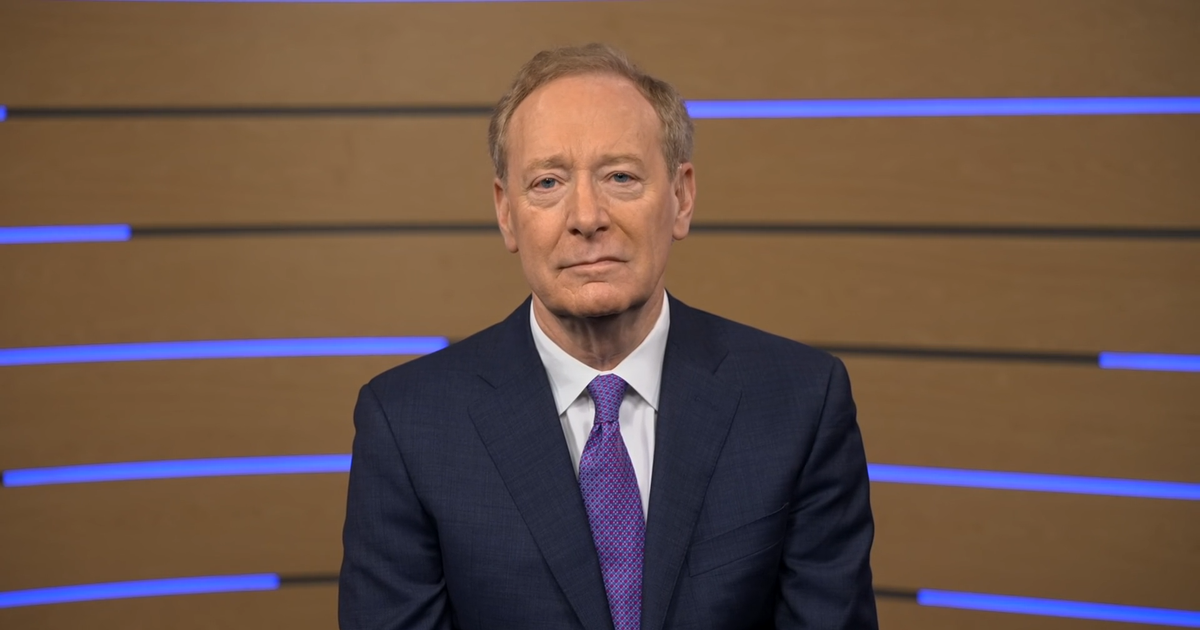
Microsoft president and vice chairman Brad Smith warned on Nov. 22 that AI is accelerating the hunt for software flaws—and the race to fix them can increase the risk of outages. Speaking on CBS’s Face the Nation, he pointed to older infrastructure and the testing time that gets squeezed when organizations rush security patches into place. Source
That is not his explanation for Microsoft’s own recent global outage. Smith said that incident wasn’t linked to AI or a cyberattack: software updated four months earlier interacted with a new update and a shift in network traffic. CBS described the disruption to businesses as lasting roughly 24 hours. SourceSource
The race to beat attackers
Smith said AI has made vulnerabilities in code much easier to find. Defenders can use that knowledge to patch software, while attackers can use it to try to break into systems. The result, in his assessment, is a worldwide race to repair flaws before malicious actors exploit them. Source
Smith said patching at unprecedented speed, particularly on older infrastructure and with less time to test changes, increases the chance of something going wrong. Finding the bug faster doesn’t magically create more time to test the fix. Source
He described recent outages, at least in substantial part, as “A.I. ripple effects.” Source
“I think we have to be prepared, frankly, for the coming months because this isn’t the type of thing that just gets done in a couple of weeks,” Smith said. Source
Microsoft’s response, and why updates still matter
Smith apologized for Microsoft’s outage and said the company had published two reports in the preceding 10 days. He said Microsoft had already completed nine response steps and planned 13 more. Source
“We’ve learned a lot. It was painful, especially for everybody who relies on us. We get it,” he said. Source
Smith urged people to install security patches on their phones and laptops. For organizations, he called for changes to patching practices, better coordination among IT teams and upgrades to legacy infrastructure. He also urged government and industry to improve threat-intelligence sharing. Source





Comments