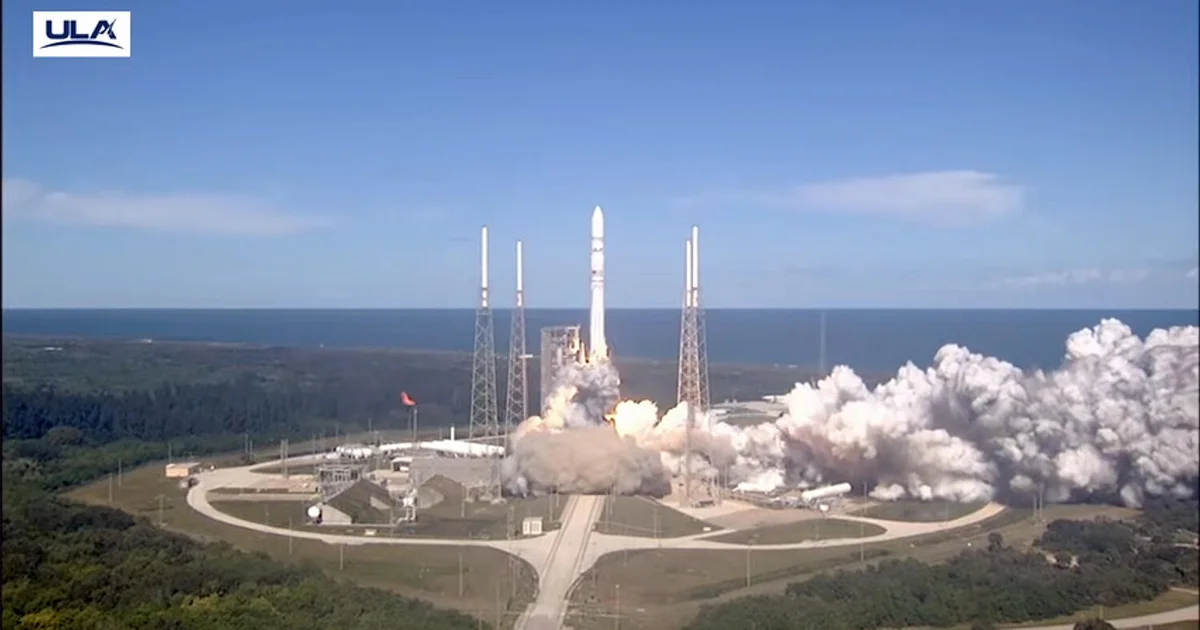
United Launch Alliance’s Vulcan rocket failed to deliver 40 Amazon Leo broadband satellites to orbit on November 15, The Verge reports. Source ULA confirmed that an anomaly occurred 10 minutes into the flight, which launched from Space Launch Complex 41 at Cape Canaveral Space Force Station. Source Source
This was Vulcan’s first mission for Leo, Amazon’s broadband competitor to SpaceX’s Starlink. NASASpaceflight lists it as ULA’s 10th mission supporting the network. The rocket was making its Amazon debut; the partnership wasn’t. Source Source
In its initial statement, ULA said it did not yet have specific data to understand what had happened. The company acknowledged falling short of its standard of mission success: “Today, we did not meet that standard.” Source
ULA said it would work with its customer and other appropriate organizations to find the cause, decide what needs to change and return to flight “as quickly as possible.” It gave no date. The company said customers would be able to follow the investigation and promised updates when it had new information. Source
The failure came on what was already a comeback flight. According to Spaceflight Now, Vulcan last flew on February’s USSF-87 mission, during which a solid rocket booster anomaly prompted redesign, retesting and analysis. The outlet described the November 15 loss as ULA’s first full-mission failure since its founding in 2006. Source Source
ULA’s initial statement did not identify the affected rocket stage or establish a connection between this failure and the earlier booster anomaly. Source Source
In a statement quoted by The Verge, Amazon said: “ULA has been a trusted partner for Amazon, and we believe they’ll learn from this mission and deliver on their long-term plans for Vulcan.” Source




Comments