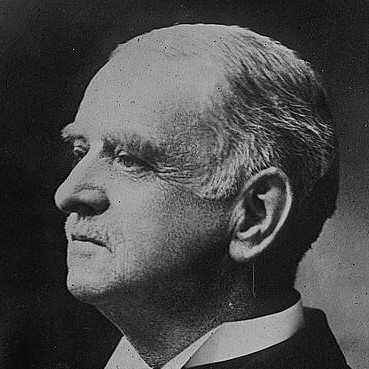
The Vermont Blacksmith Who Forged the Electric Future
No degrees and no permissions asked.
In spring of 1833, a self-taught blacksmith named Thomas Davenport from the rugged hills of Brandon, Vermont, saddled his horse and rode more than 25 grueling miles through muddy trails and dense forest.
His destination?
The iron works at Crown Point, New York, where a revolutionary new invention hummed with invisible power: powerful electromagnets used to pull iron ore from the earth.
What he witnessed that day wasn’t just a tool it was pure magic. Sparks of electricity dancing, iron leaping at the command of an unseen force. Most men would have marveled and gone home.
But Thomas Davenport was no ordinary blacksmith.
With calloused hands still warm from the forge and a mind burning with questions, he bought one of those electromagnets on the spot, strapped it to his horse, and galloped back to his humble shop in Forestdale.
He tore it apart like a mad scientist. Using his blacksmith skills, he forged a stronger iron core. When insulation failed, his wife Emily made the ultimate sacrifice: she cut her silk wedding dress into strips to wrap the wires.
Night after night, in the flickering glow of his forge, this determined Vermonter hammered, experimented, and dreamed abandoning his steady trade to chase a vision no one else could see.
By 1834, working alongside mechanic Orange Smalley, Davenport achieved the impossible: the first practical rotating electric motor in America.
A spinning marvel powered purely by electricity. In 1837, he secured the world’s first patent for an electric motor the very first patent for any electrical device.
Imagine it: a humble blacksmith from a tiny Vermont village inventing the machine that would one day power everything.
Refrigerators keeping food fresh, washing machines easing back-breaking labor, electric trains and subways connecting cities, elevators lifting skyscrapers, factory lathes humming, and eventually the very devices in your hand right now all trace their lineage back to that spinning rotor in a Vermont blacksmith shop.
Thomas Davenport saw the electric future decades before Edison, Tesla, or anyone else lit up the world. He demonstrated his motor to crowds, printed the first magazine using electric power, and even ran a small electric railway model. But timing is everything. The world wasn’t ready batteries were weak, electricity scarce, and funding dried up.
He died in 1851, largely forgotten and broke, his prototype now resting in the Smithsonian.
Yet his spark endured. That self-educated blacksmith from Brandon didn’t just invent a motor he ignited the modern age.
Every time you flip a switch, charge a device, or ride an electric vehicle, you’re riding the revolutionary wave started by a man with nothing but a hammer, a dream, and the courage to chase lightning itself.
The unsung hero of the electric revolution. The Vermont Blacksmith who truly invented the modern world.