Google signs Terradot deal to cut methane and remove carbon in Brazil
The rice-farming project pairs changes to irrigation with crushed volcanic rock, targeting benefits on two different timelines.
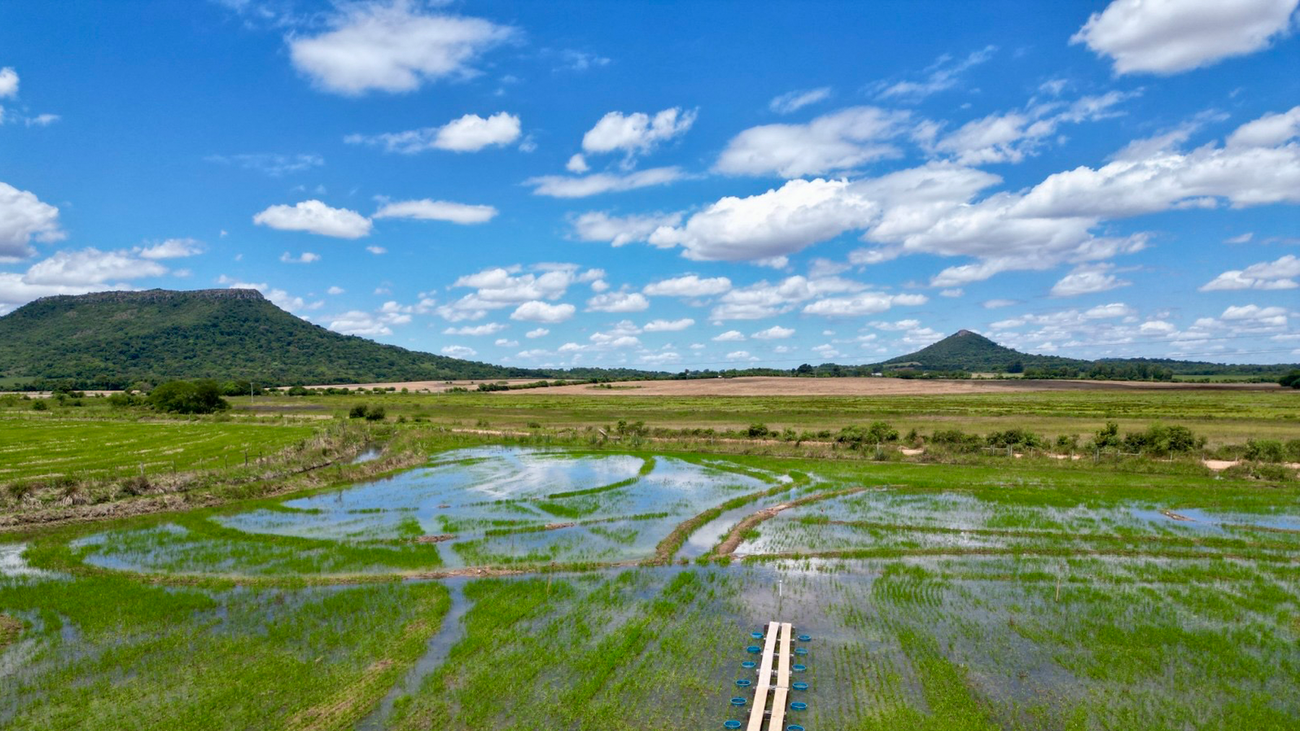
Google announced a Terradot agreement covering more than 200,000 hectares of rice farms in southern Brazil. It will buy methane reductions equivalent to 1 million metric tons of CO2 by 2030, measured over a 20-year warming horizon, and 1 million metric tons of permanent carbon removal by 2040. Periodically draining paddies is intended to reduce methane; spreading crushed volcanic rock would remove CO2 as it weathers. These are future delivery targets.
—
No activity data yet
The rice-farming project pairs changes to irrigation with crushed volcanic rock, targeting benefits on two different timelines.
Google announced a Terradot agreement covering more than 200,000 hectares of rice farms in southern Brazil. It will buy methane reductions equivalent to 1 million metric tons of CO2 by 2030, measured over a 20-year warming horizon, and 1 million metric tons of permanent carbon removal by 2040. Periodically draining paddies is intended to reduce methane; spreading crushed volcanic rock would remove CO2 as it weathers. These are future delivery targets.
Not enough discussion yet.
No sentiment analysis available yet.
Not enough discussion yet.
No sentiment analysis available yet.
#7
#7