Two UK government-backed funds have joined Agon’s $70 million Series A, backing a startup developing virtual battlefields to train and test autonomous military systems. The round values the company at a reported $450 million, according to The Register. Source
Northzone led the financing, according to an announcement carried by ITTech Pulse. Participants included the UK Sovereign AI Fund and the National Security Strategic Investment Fund, or NSSIF. The round brings Agon’s total funding to $100 million, following a $30 million seed round earlier in 2026. Source Source
How much of the $70 million round came from the two public funds? The government isn’t saying, citing commercial sensitivity, The Register reports. The $70 million is the entire round—not a disclosed taxpayer contribution. Source
What the virtual battlefield is supposed to do
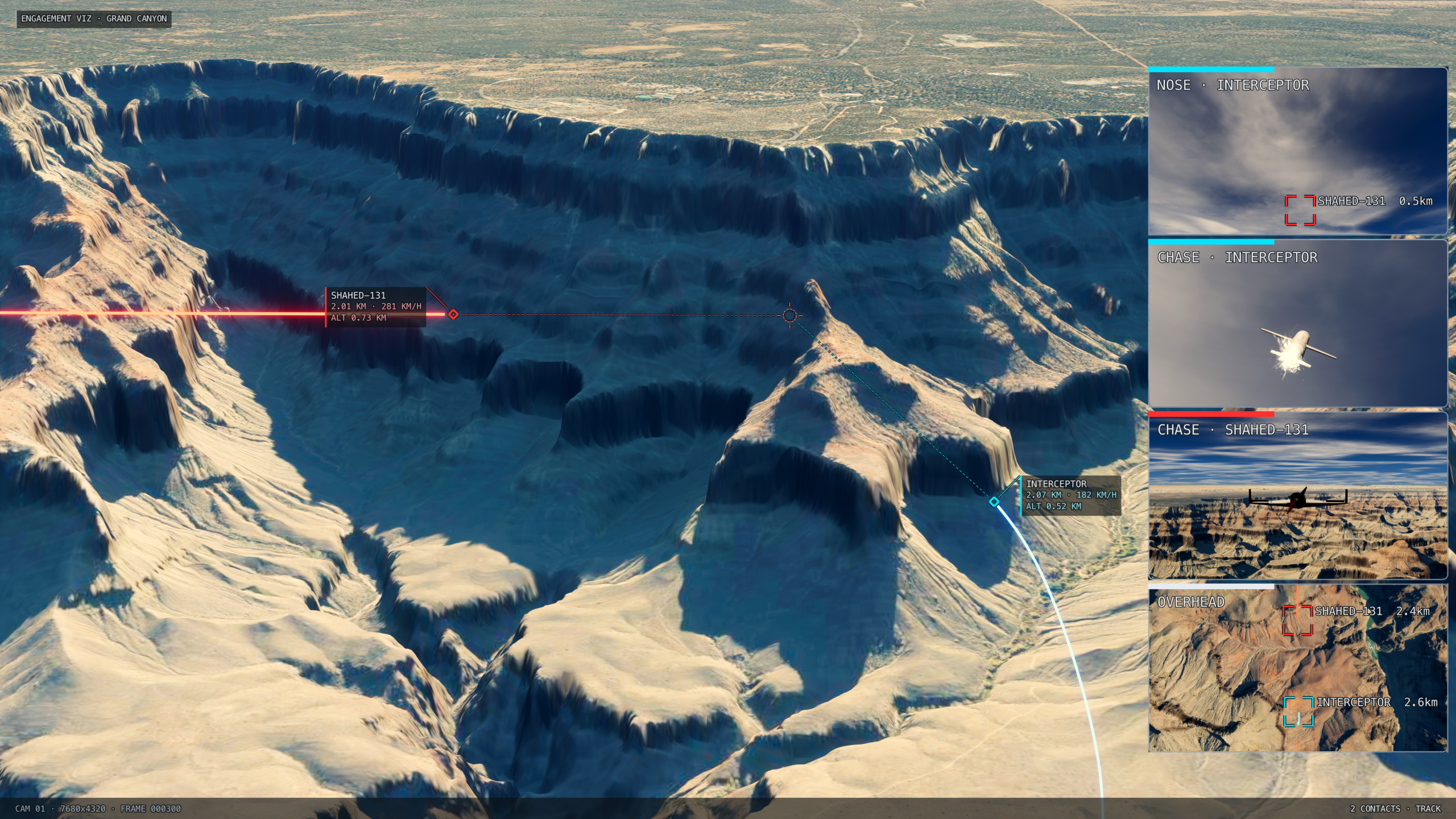
Agon says its simulation platform, powered by the Agon Engine, gives developers and defense organizations a repeatable environment to train and test autonomous systems against thousands of scenarios before deployment. The company describes virtual adversaries informed by live conflict intelligence, intended to expose systems to evolving tactics and threats. Source
The announced scenarios include mass drone attacks, degraded navigation and changing adversary tactics. Developers could also test how an autonomous system behaves when its connection to command is interrupted. Source Source
Sovereignty is the pitch
The government frames its backing as a way to build domestic defense AI capabilities and reduce reliance on overseas technology. “The UK needs sovereign defence AI capabilities to bolster our national security in this new era,” AI Minister Kanishka Narayan said, as quoted by The Register. Source
Agon plans to use the financing to expand its engineering and research teams, develop its platform and AI models, and deepen its work with industry and government customers, according to the announcement. Source
Agon describes simulation as complementing physical testing, not replacing it. The announcement provides no independent performance benchmarks or battlefield validation. Source






Comments