Bloom Energy CEO Argues Energy Sovereignty Outranks Model Sovereignty for AI
Related Stories
2 linkedBloom Energy CEO: Why We Aren’t in an AI Capex Bubble | Energy Sovereignty & The Future of Power — 20VC with Harry StebbingsBloom Energy CEO: Why We Aren’t in an AI Capex Bubble | Energy Sovereignty & The Future of Power2h agousetranscribe.io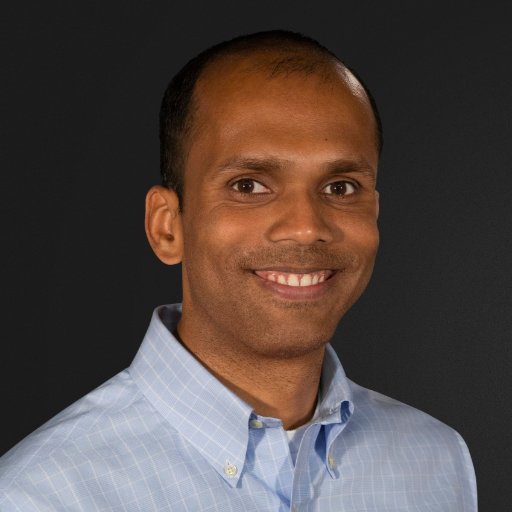 Bloom Energy CEO: Why We Aren’t in an AI Capex Bubble | Energy Sovereignty & The Future of PowerKR Sridhar is the Founder and CEO of Bloom Energy, the distributed power company powering the AI revolution. Under his leadership, Bloom has grown to a market cap of approximately $93 billion, with revenue surpassing $2 billion as demand from AI data centres has surged. Over the last 12–18 months, Bloom has become one of the biggest beneficiaries of the AI infrastructure boom. It's also the largest position in Leo Aschenbrenner's investment portfolio, making up around 16% of his fund. ----------------------------------------------- Timestamps: 00:00 Intro 01:25 Fear of Failure vs Thrill of Winning 03:53 How a 25-Year-Old Company Became an AI Darling Overnight 05:46 The Andy Grove Moment That Changed How KR Leads 10:49 Empathy as a Leadership Tool 13:04 Are We in an AI Infrastructure Bubble? 14:43 When Intelligence Is Abundant, What Becomes Scarce? 15:34 The Single Biggest Bottleneck: Regulation Is Now the Enemy of Growth 18:54 The Next Big Crisis Nobody Is Talking About: Energy Poverty 20:17 Is AI Concentrating Wealth or Democratising It? 22:29 Should Governments Own Equity in the Biggest AI Companies? 26:35 Are Hyperscalers Secretly Becoming Energy Companies? 38:00 The Long-Term Vision: Hydrogen, Distributed Power & True Energy Independence 43:59 Energy Sovereignty Is More Important Than Model Sovereignty 45:35 How Oracle Became Bloom's Biggest Customer 53:18 Bloom's $20B Backlog & the Path to 2 Gigawatts 56:17 Leo Aschenbrenne, Social Media & the Vision of Electricity for All 58:53 What KR Has Changed His Mind on in the Last 3 Years 01:00:43 Quick Fire Round ---------------------------------------------------------------------------------------------- Subscribe on Spotify: https://open.spotify.com/show/3j2KMcZTtgTNBKwtZBMHvl?si=85bc9196860e4466 Subscribe on Apple Podcasts: https://podcasts.apple.com/us/podcast/the-twenty-minute-vc-20vc-venture-capital-startup/id958230465 Follow Harry Stebbings on X: https://twitter.com/HarryStebbings Follow Bloom Energy on X: https://twitter.com/Bloom_Energy Follow 20VC on Instagram: https://www.instagram.com/20vchq Follow 20VC on TikTok: https://www.tiktok.com/@20vc_tok Visit our Website: https://www.20vc.com Subscribe to our Newsletter: https://www.thetwentyminutevc.com/contact ----------------------------------------------- #20vc #harrystebbings #ai #krsridhar #power #bloomenergy #electricity #aibubble #compute #datacenters2h ago
Bloom Energy CEO: Why We Aren’t in an AI Capex Bubble | Energy Sovereignty & The Future of PowerKR Sridhar is the Founder and CEO of Bloom Energy, the distributed power company powering the AI revolution. Under his leadership, Bloom has grown to a market cap of approximately $93 billion, with revenue surpassing $2 billion as demand from AI data centres has surged. Over the last 12–18 months, Bloom has become one of the biggest beneficiaries of the AI infrastructure boom. It's also the largest position in Leo Aschenbrenner's investment portfolio, making up around 16% of his fund. ----------------------------------------------- Timestamps: 00:00 Intro 01:25 Fear of Failure vs Thrill of Winning 03:53 How a 25-Year-Old Company Became an AI Darling Overnight 05:46 The Andy Grove Moment That Changed How KR Leads 10:49 Empathy as a Leadership Tool 13:04 Are We in an AI Infrastructure Bubble? 14:43 When Intelligence Is Abundant, What Becomes Scarce? 15:34 The Single Biggest Bottleneck: Regulation Is Now the Enemy of Growth 18:54 The Next Big Crisis Nobody Is Talking About: Energy Poverty 20:17 Is AI Concentrating Wealth or Democratising It? 22:29 Should Governments Own Equity in the Biggest AI Companies? 26:35 Are Hyperscalers Secretly Becoming Energy Companies? 38:00 The Long-Term Vision: Hydrogen, Distributed Power & True Energy Independence 43:59 Energy Sovereignty Is More Important Than Model Sovereignty 45:35 How Oracle Became Bloom's Biggest Customer 53:18 Bloom's $20B Backlog & the Path to 2 Gigawatts 56:17 Leo Aschenbrenne, Social Media & the Vision of Electricity for All 58:53 What KR Has Changed His Mind on in the Last 3 Years 01:00:43 Quick Fire Round ---------------------------------------------------------------------------------------------- Subscribe on Spotify: https://open.spotify.com/show/3j2KMcZTtgTNBKwtZBMHvl?si=85bc9196860e4466 Subscribe on Apple Podcasts: https://podcasts.apple.com/us/podcast/the-twenty-minute-vc-20vc-venture-capital-startup/id958230465 Follow Harry Stebbings on X: https://twitter.com/HarryStebbings Follow Bloom Energy on X: https://twitter.com/Bloom_Energy Follow 20VC on Instagram: https://www.instagram.com/20vchq Follow 20VC on TikTok: https://www.tiktok.com/@20vc_tok Visit our Website: https://www.20vc.com Subscribe to our Newsletter: https://www.thetwentyminutevc.com/contact ----------------------------------------------- #20vc #harrystebbings #ai #krsridhar #power #bloomenergy #electricity #aibubble #compute #datacenters2h ago