
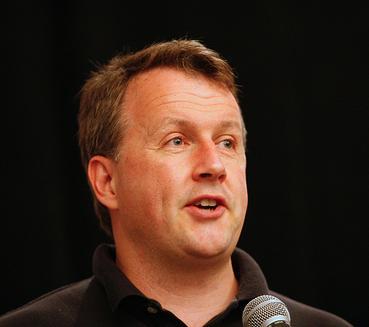
The only thing worse than having the CEO knee-deep in building stuff with AI is not having the CEO knee-deep in building stuff with AI.
2:28 PM · May 30, 2026 · 267.7K Views
Carlos E. Perez warns that executives rely on static PowerPoints.
The only thing worse than having the CEO knee-deep in building stuff with AI is not having the CEO knee-deep in building stuff with AI.
Many users endorse Paul Graham's advice that CEOs must dive deep into building with AI, while others reply with insults and open hostility toward the idea.
No Digg Deeper questions have been answered for this story yet.

@paulg The danger is when they're building but not shipping. Knee-deep in proofs of concept but terrified to put something live with rough edges.
Seen this kill 3 months of momentum on products that should've launched in 6 weeks.

@paulg the ceo who builds finds out which decisions were actually load bearing. the one who delegates it learns six months later, in a meeting, from someone who quit. you cant outsource the part where you feel the friction.

@paulg @toly 🙏🏼
The only thing worse than having the CEO knee-deep in building stuff with AI is not having the CEO knee-deep in building stuff with AI.

@paulg The CEO might as well be AI at this point.

@paulg Feeling this as a founder. You understand the product differently when you’re the one trying to make AI handle the messy real workflow. The missing context, edge cases, and assumptions show up immediately
@paulg You need to really immerse yourself to understand the superpowers and boundaries of AI before building your entire company strategy around it
@paulg The hard part isn't getting CEOs to build with AI, it's getting them to ship the messy v1 instead of endlessly prompt engineering. I've watched more exec demos than production deploys. Building matters, but shipping teaches you what actually breaks.

@paulg ceos who delegate the ai experimentation to a "head of ai transformation" and then wonder why nothing ships are already three quarters of the way to irrelevant

@paulg A CEO building with AI is messy, but distance is worse. The real risk isn’t executives touching the tools; it’s executives making AI decisions from slide decks while the company learns the future without them.

@paulg Translation: Hey look, we’ve invested so much on AI and we need everyone to use it and become imbeciles, otherwise we will go bankrupt.

@paulg @grok What happens when the CEO is waist deep or neck deep in building stuff with AI instead of being knee deep?

@paulg The founders who understand what AI can actually do, not just what it promises, are building completely different companies than the ones delegating it down.
You can't architect an AI operating system for your business if you've never felt where the agents break.

@paulg Yes
@maxbass_401 @paulg 🥲 i'm getting automated as well

@paulg Being able to blow through a $200 Codex sub in a single day, I find, is a good metric for this 😂

@paulg a CEO who has never wired up an agent has no taste for which roadmap items are now trivial and which are still hard. delegating that judgement to a VP is how you get a roadmap optimized for last years constraints

@paulg The CEO who builds learns which decisions were actually load-bearing. You can delegate strategy, but you can't delegate the friction—that's where the real understanding lives.

@paulg Double-edged sword. At least they know how hard it is to actually ship, even if they're slowing things down.

@leaving_tech @paulg Does consulting count as a job?
