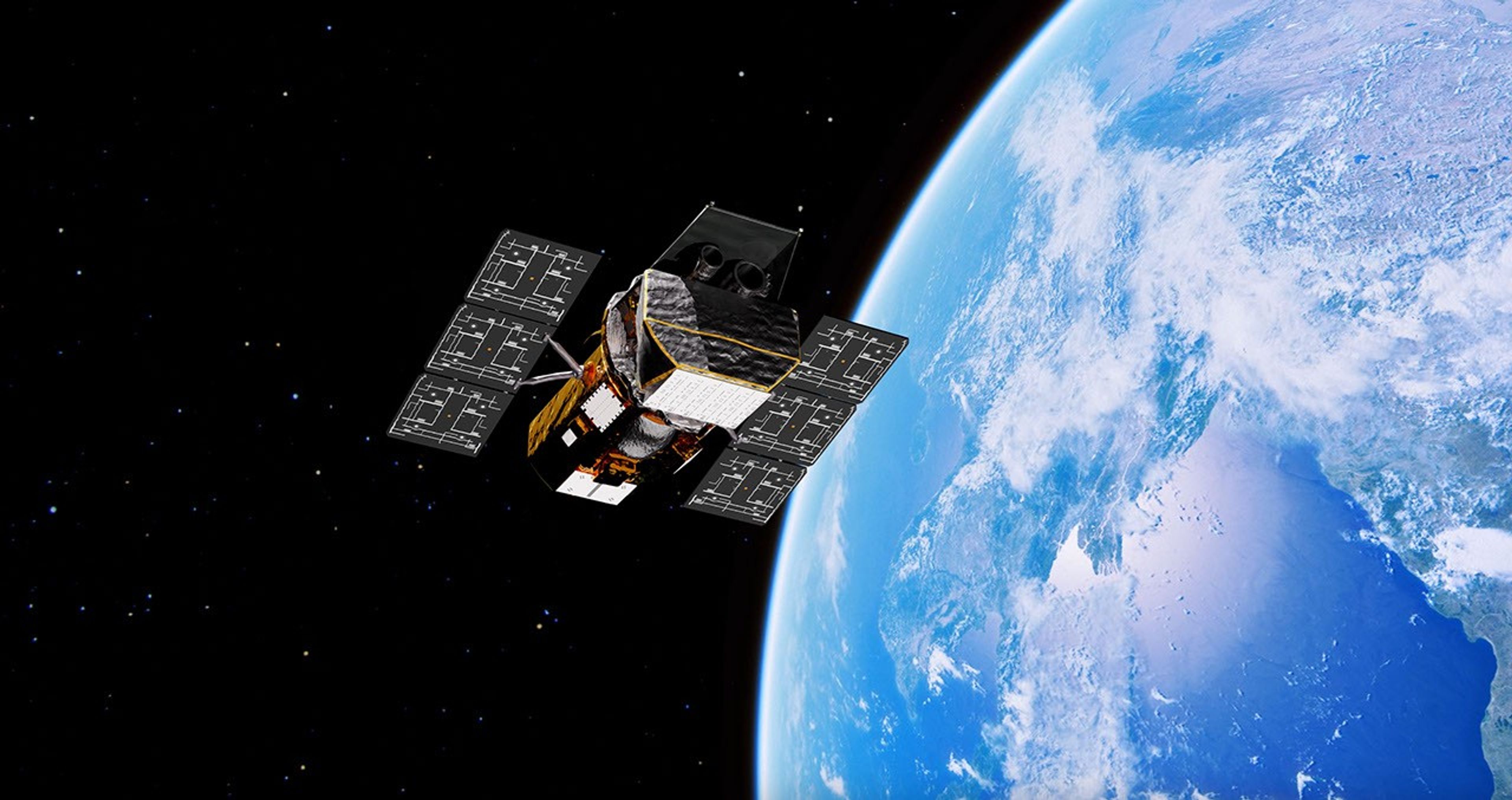
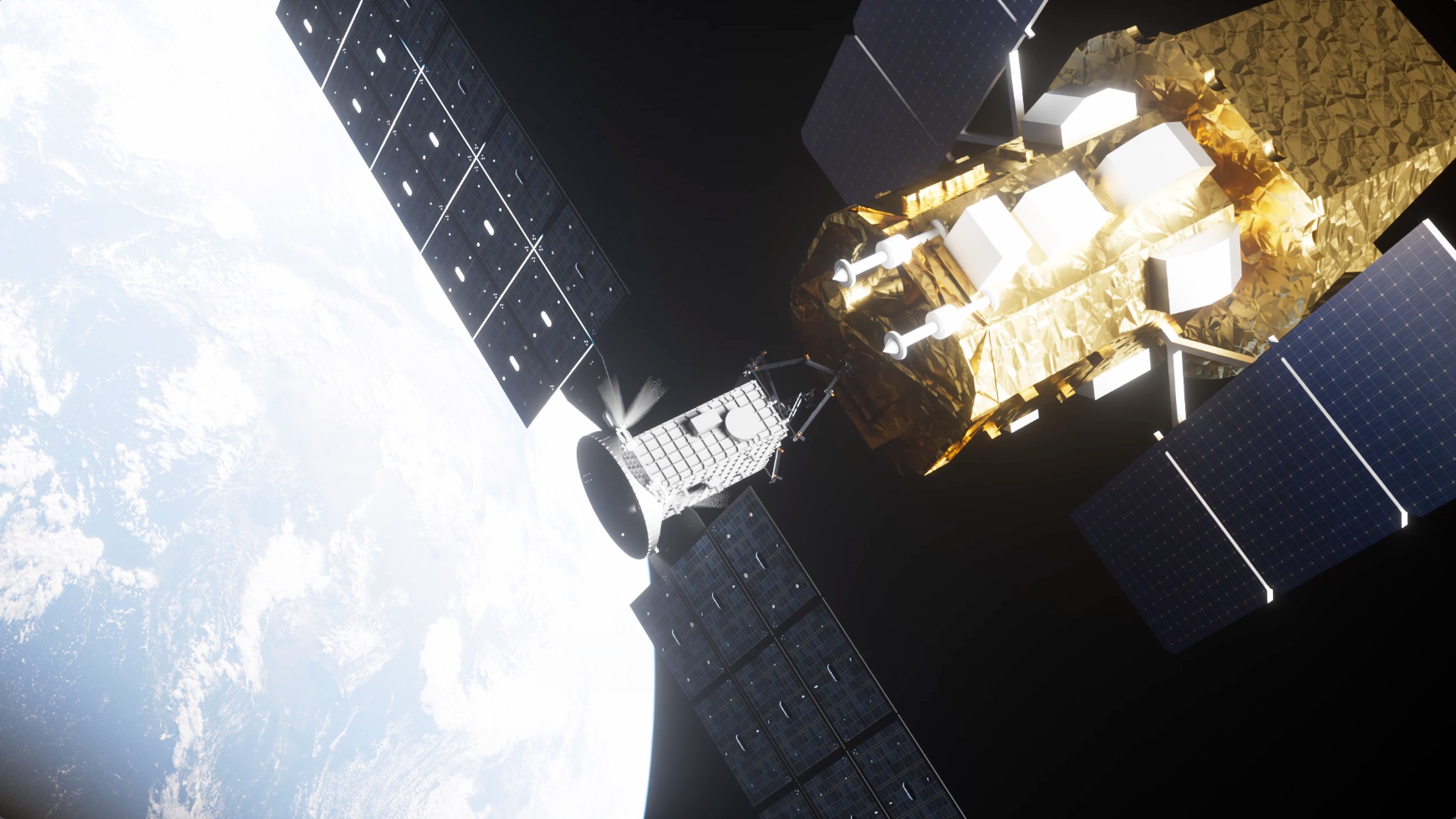
NASA's Neil Gehrels Swift Observatory is facing an uncontrolled reentry after an attempt to raise its orbit failed. In a Nov. 1 Associated Press report, Marcia Dunn wrote that Katalyst Space's robotic spacecraft, Link, ran into trouble after launching in July. Swift resumed observations after the rescue attempt was called off, but its systems were shut down in late October when it could no longer remain steady enough to observe its targets.
The forecasts differ on when Swift will reenter. The Associated Press reported a U.S. Space Force prediction of on or around Friday, Nov. 6. In a Nov. 2 Spaceweather.com report, Tony Phillips listed a NASA estimate of Nov. 3 at 16:18 UTC, plus or minus 12 hours, and an Aerospace Corporation estimate of Nov. 4 at 09:30 UTC, plus or minus 26 hours. Ellyn Lapointe of Gizmodo quoted orbital tracker Jonathan McDowell predicting Tuesday or Wednesday. None of those forecasts identifies a landing point.
Most of the roughly 1½-ton spacecraft is expected to burn up. NASA mission chief scientist Brad Cenko told the Associated Press that tungsten pieces and parts of its mirrors could survive. Swift's orbit puts the possible debris zone roughly 20 degrees north and south of the equator, according to Gizmodo. Surviving pieces are most likely to land in the ocean, though populated areas lie within that band. McDowell told Gizmodo that the chance of a piece damaging infrastructure or injuring someone is extremely low.
Swift launched Nov. 20, 2004, to study gamma-ray bursts and supernovas. It observed more than 2,000 bursts and 1,400 exploding stars during its nearly 22 years in orbit.