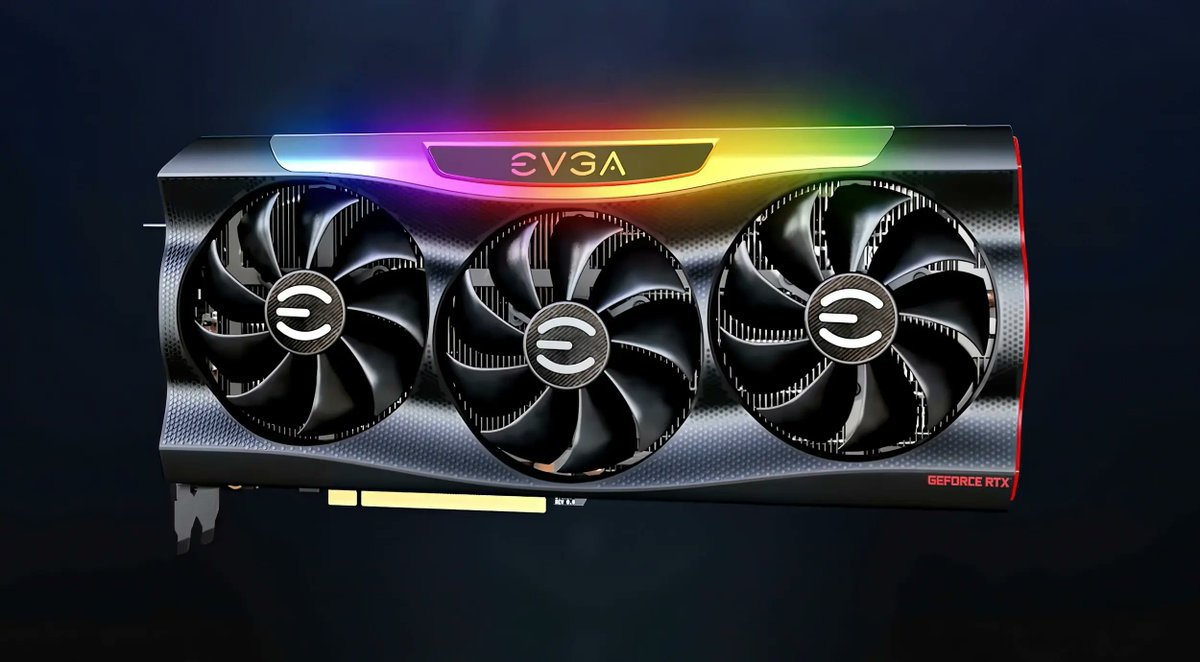
A former EVGA product manager is alleging that NVIDIA’s pricing structure left the company feeling obligated to keep at least one GeForce card at the advertised entry price, even when that meant selling the card at a loss. In a report from VideoCardz, Brendon Ray Hedrick, who worked at EVGA from 2016 through 2019, said EVGA believed failing to match NVIDIA’s advertised starting price could jeopardize how many GPUs it received.
A loss leader to protect supply
Hedrick said EVGA understood the arrangement as requiring at least one model at NVIDIA’s starting price. He alleged that if EVGA did not do that, NVIDIA could reduce its GPU allocation, leaving the company with little room to prove whether any cutback was tied to pricing. In Hedrick’s telling, that pressure effectively forced EVGA to keep a loss-leader GeForce card on sale to protect access to chips.
He also said those lower-priced cards were frequently sold out. That left EVGA leaning on more expensive versions with its own higher-end circuit boards and cooling systems, which he said carried enough margin to make up for the cheaper cards. As a result, shoppers comparing EVGA’s lineup with NVIDIA’s advertised floor price could see a sharp jump from the entry model to the company’s more profitable custom cards, VideoCardz reported.
Pressure as Founders Edition expanded
Hedrick further alleged that the dynamic became tougher once NVIDIA increased the profile of its own Founders Edition graphics cards. He recalled EVGA discussing the issue around the GeForce GTX 1080 launch in 2016, when NVIDIA was not only supplying GPUs to partners but also selling finished cards directly to customers. He said he could not determine NVIDIA’s intent or claim the company was deliberately trying to force EVGA out of the market, but from his vantage point the space for EVGA to operate was tightening.
VideoCardz noted that Hedrick left EVGA in December 2019, so his account applies to the Pascal and first-generation RTX period rather than the final years immediately before EVGA exited graphics cards. EVGA ended that business in 2022 after ending its partnership with NVIDIA, VideoCardz wrote.