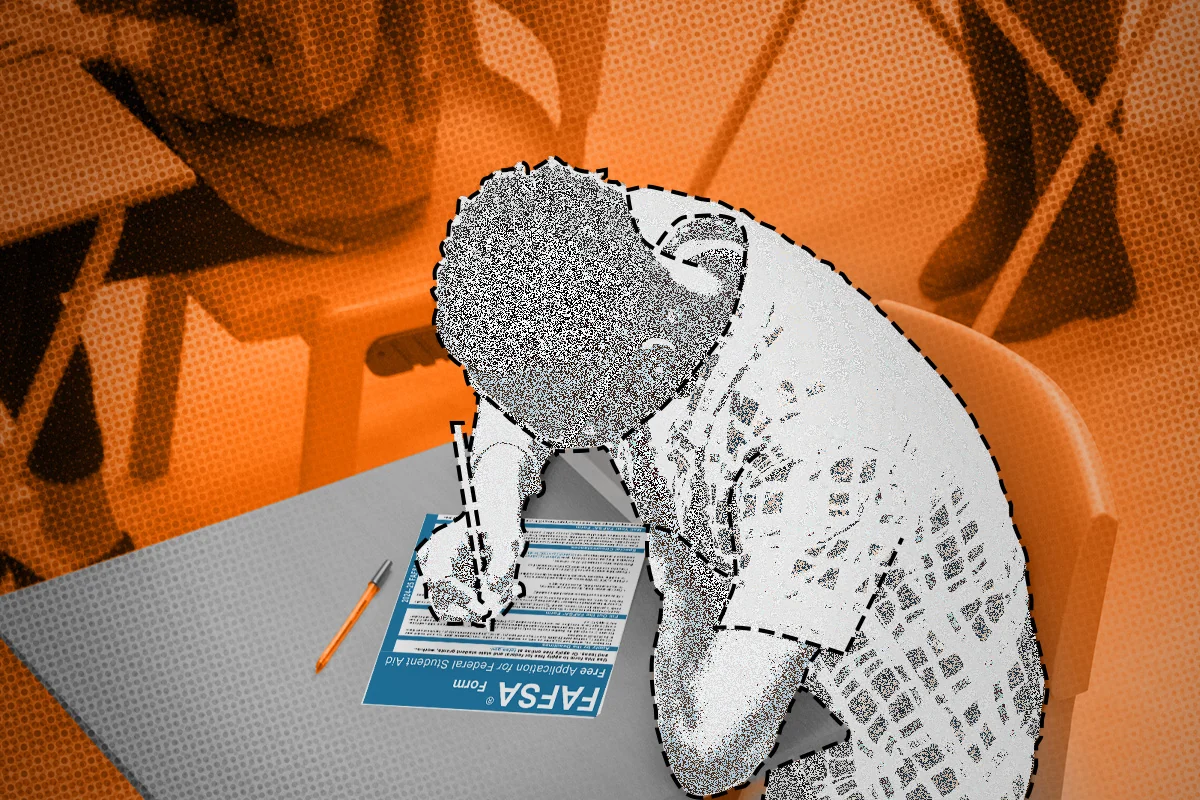
Federal prosecutors announced charges against five people Oct. 29 over alleged schemes to steal federal student aid. ABC News reporter Lucien Bruggeman reports that the cases are in Nebraska, Virginia and New Jersey. Prosecutors accuse the five of conspiring with foreign nationals in apparently unrelated schemes to siphon off a combined $2.9 million. The charges include theft of government property, aggravated identity theft and conspiracy to commit wire fraud.
How a ghost student collects aid
Authorities allege that scammers use fake or stolen identities to enroll in online classes and secure grants and loans, ABC News reports. Ars Technica reports that, in the method officials described, aid first pays tuition and fees. Leftover money then goes into bank accounts controlled by fraudsters.
Ars Technica also relays officials’ account that fraudsters use AI to fill out applications, complete coursework and make it appear that a student attends virtual sessions. Assistant Attorney General Colin M. McDonald described the aim as keeping a ghost student enrolled “semester after semester after semester.” That account of AI use concerns the wider fraud; the reporting does not attribute AI use to each of the five people charged.
The charged cases and the wider investigation
Ars Technica reports that officials identified more than $32 million in actual losses “tied to these specific subjects.” ABC News describes the combined $2.9 million as the amount the charged schemes allegedly sought to siphon off. The reports do not explain how the differently described figures relate.
Separately, BBC News reports that investigators identified 830,840 potentially fraudulent federal student-aid identification numbers associated with nearly $130 million in September and October 2026. That figure is aid associated with flagged IDs, not confirmed losses. People whose identities are stolen could face unexpected student-loan debts even if they never enrolled in college, the BBC reports.