Chicago-based Ocient announced on November 5, 2026, that it had closed a $100 million Series C co-led by BOKA Capital and OCA Ventures. The round brings its total capital raised to $260 million, with the company aiming to expand analytics infrastructure for AI agents and human analysts working with massive datasets. Source
Ocient says the funding will accelerate delivery of its OcientAIQ Solutions, which are tailored to customers’ industries and computing environments. According to SiliconANGLE, it plans to direct much of the investment toward hiring sales and customer delivery staff while continuing engineering development. The AI pitch comes with installation work. Source Source
Huge datasets, with rules attached
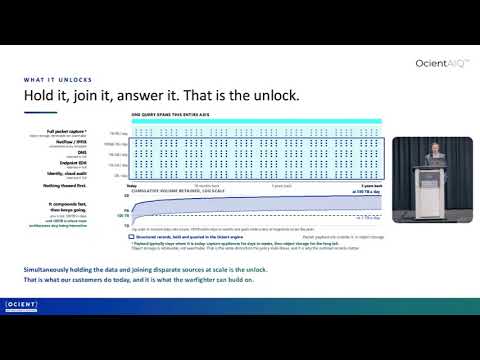
OcientAIQ is designed for organizations analyzing constantly growing, petabyte-scale datasets. Ocient says its platform combines data intake and analytics with governance—controls over what agents can access and which rules apply to their activity. Those controls also track data lineage: where the data came from and how it changed. An AI agent, in this setup, isn’t supposed to get an all-access pass. Source
The company also says analysis runs inside its data engine rather than through a language model. It claims that makes results reproducible and auditable while reducing data movement and token costs—the charges associated with processing text through a language model. Its announcement doesn’t quantify those savings. Source
The offerings target three main jobs: analyzing network and security data across its full history; retrieving communications records for regulatory compliance; and building customer-owned data engines that agents and analysts can query. Ocient says these systems are designed to analyze complete datasets rather than samples. Its delivery team handles requirements, validation, deployment and ongoing support. Source
Ocient supplies underlying data infrastructure, not a standalone threat detector. “We don’t do the detection algorithms and the sort of things that the companies in that space do,” CEO John Morris told SiliconANGLE.