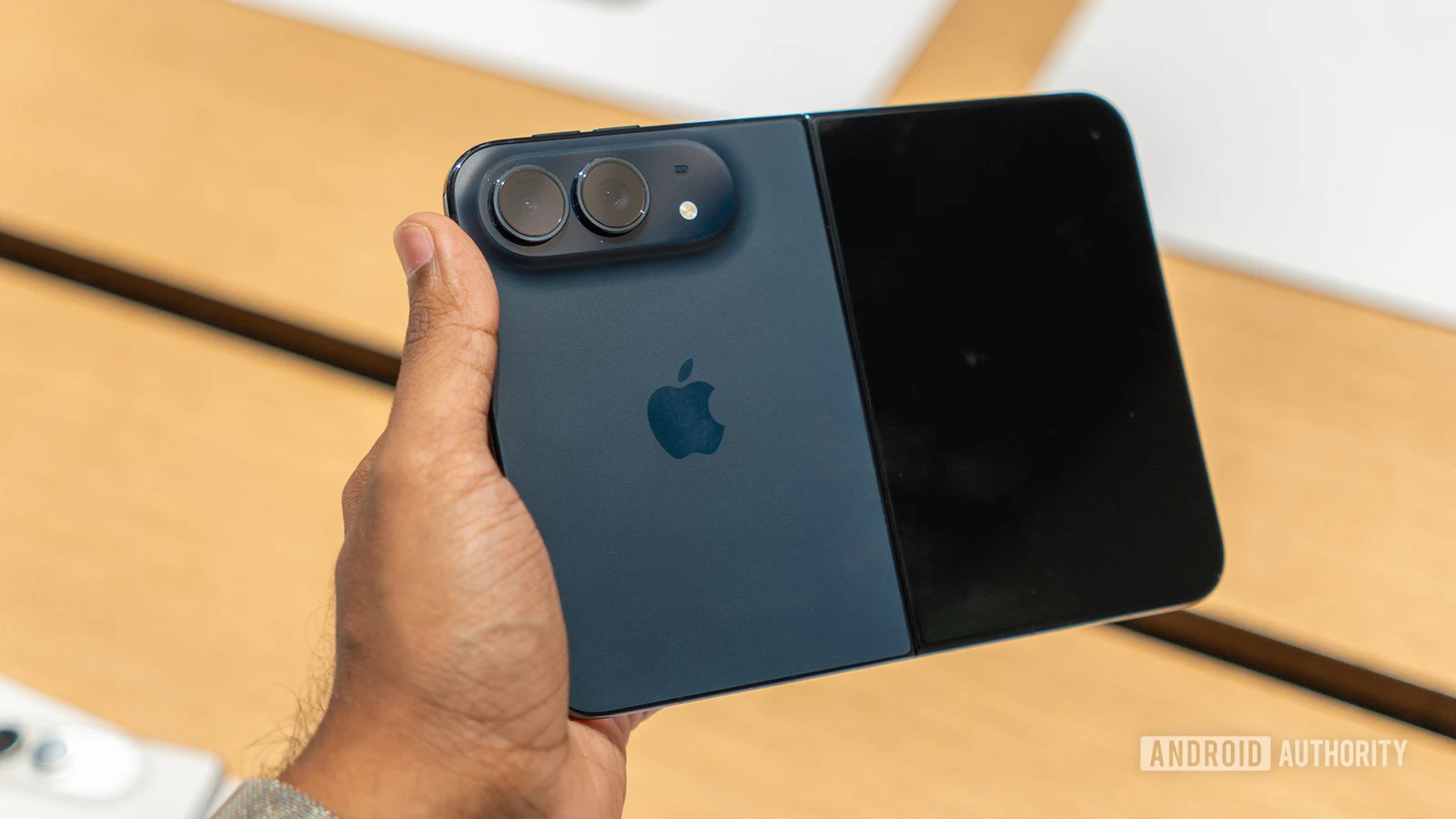
Book-style foldable phones are sold as a way to carry a phone and a small tablet in one device. After years of using them, Android Authority writer Aamir Siddiqui has reached the opposite conclusion: the convenience did not outweigh the compromises in his own routine.
In Siddiqui's account, the large inner screen was useful for running multiple apps only a few times a month. That left him carrying a more complicated, expensive device without regularly using the feature meant to justify it.
More screens, clearer boundaries
His alternative is what he calls "compartmentalized computing." A smartwatch handles quick notifications, a tablet is reserved for games, movies and reading, and a laptop-and-monitor setup is where work happens. Physically changing devices creates a boundary that software focus modes did not reliably provide for him.
The argument is less about technical specifications than attention. A device that combines work, entertainment and communication can make it harder to leave any of them behind. Separate hardware adds friction, which Siddiqui sees as useful when he wants to stop working or avoid reaching for his phone.
He does not reject every folding design or claim that one setup works for everyone. Flip phones still appeal to him because they shrink a conventional phone, while book-style foldables remain sensible for people who frequently need a larger screen without carrying a tablet. His conclusion is narrower: for his habits, specialized devices now offer more value than an all-in-one foldable.