Autonomous-vehicle companies are starting to look less like one industry following a single roadmap and more like several businesses choosing different paths to scale.
TechCrunch’s Mobility newsletter points to three approaches: licensing technology through automaker partnerships, concentrating robotaxi fleets in a few markets and building a partner network around autonomous trucking.
The distinction matters because autonomous driving is moving from controlled tests into commercial services without becoming broadly available. A large announcement list can suggest national scale even when most vehicles and rides remain concentrated in a handful of places.
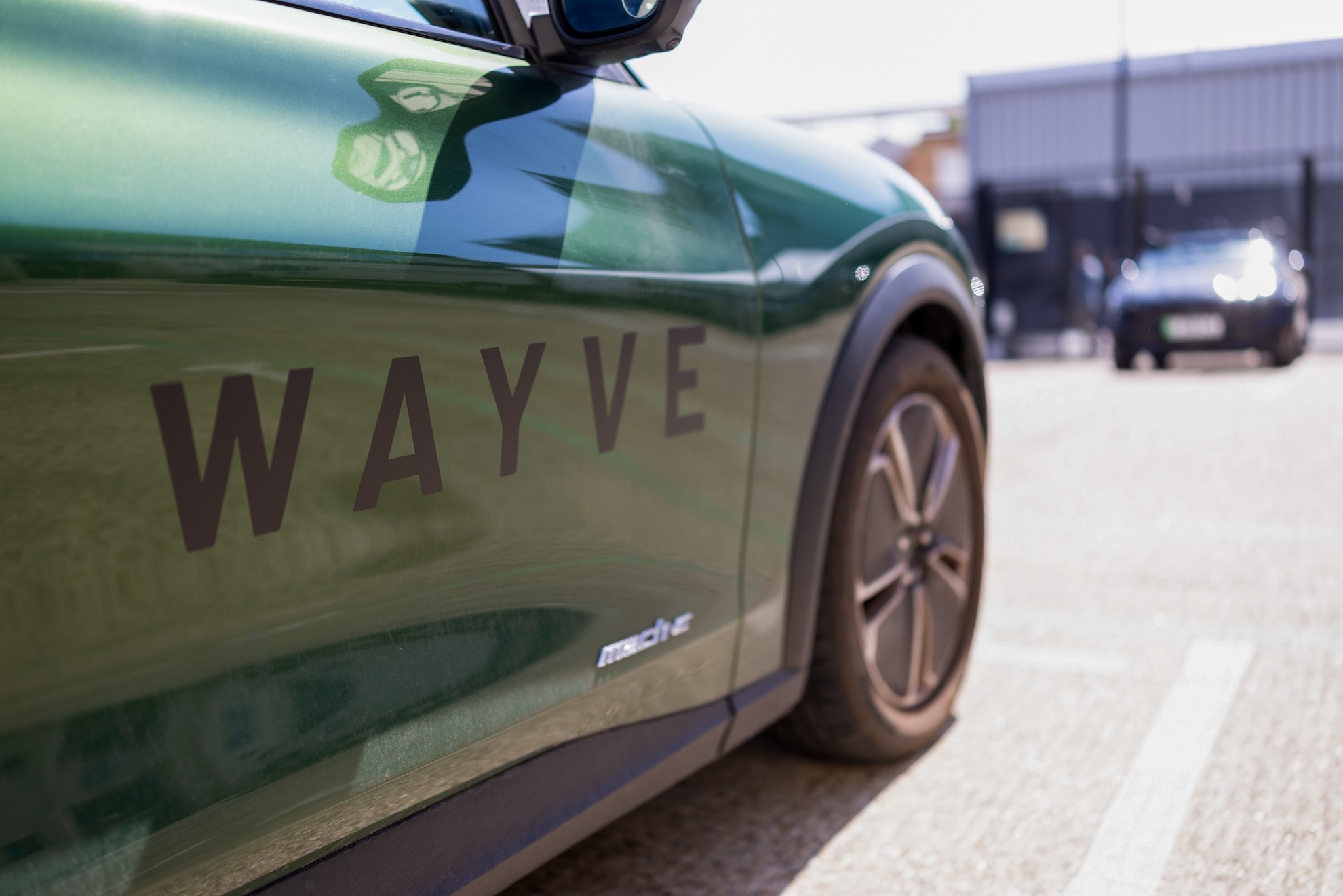
Wayve is using automakers for reach
Wayve has signed a commercial partnership with Mercedes-Benz to place its automated-driving technology in at least one model within the next two years. The initial product is Level 2, meaning the system can handle some driving tasks but still requires a human driver to remain engaged.
Similar agreements with Nissan and Stellantis give the startup access to production vehicles and distribution without building its own fleet. Partnerships are also feeding into fully driverless plans, including a proposed Tokyo robotaxi service with Nissan and Uber.
Waymo is expanding, but its fleet remains concentrated
Waymo’s service map and ridership are growing, yet vehicle registrations show that about 80% of its roughly 4,000 robotaxis are in California and Texas, TechCrunch reports. Its Texas fleet grew more than 49% over three weeks.
That concentration can help a company deepen operations where regulations, depots and demand already support the service. It also means a growing list of announced cities should not be confused with an evenly distributed fleet.
Aurora is pairing a Texas focus with many partners
Aurora sits between those models. It is concentrating driverless trucking work in Texas while relying on truckmakers, carriers and logistics partners to expand. The company says it has moved beyond the building stage and is targeting more than 30,000 driverless trucks in operation by 2030, up from more than 200 today.
That target remains a company projection, and autonomous vehicles are not yet mainstream. The emerging strategies show where each company thinks the bottleneck lies: access to production vehicles, enough density for a commercial service or a partner network capable of moving freight at scale.