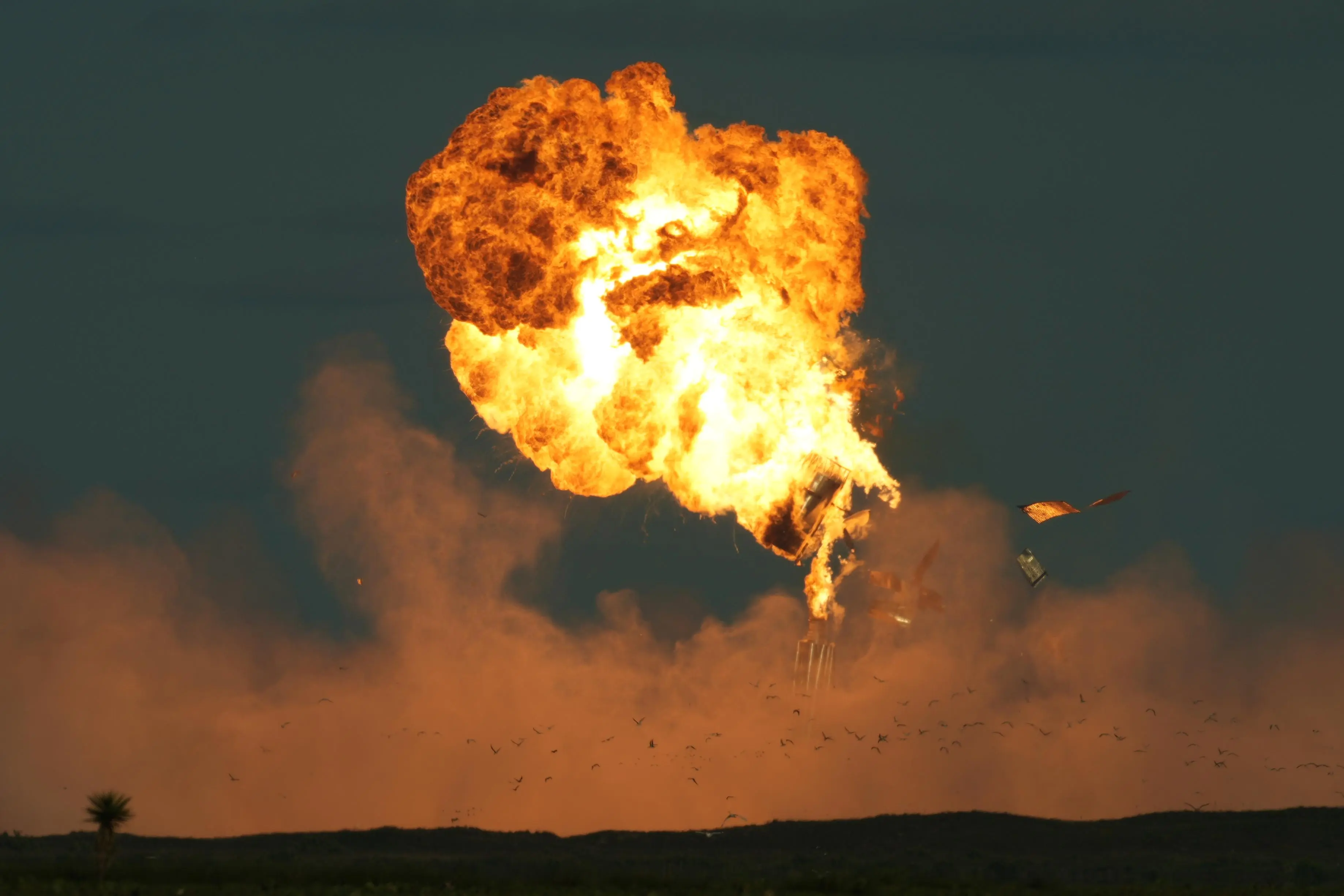
SpaceX’s Starship spacecraft reached orbit and deployed 26 Starlink satellites after Friday’s launch, but its booster fell into the Gulf of Mexico in flames. That ended hopes of recovering both stages on this flight, according to Associated Press reporting published by The Manila Times on November 14, 2026. Source
The spacecraft was still scheduled to attempt its first tower catch on Saturday, November 14, barring further trouble. The plan called for a 22-hour flight and 15 orbits at roughly 170 miles (275 kilometers) above Earth before returning to the Texas launch site. Mechanical arms attached to the tower would try to pluck it from the air. The satellite delivery was done; the giant mechanical-arm pickup was not. Source
Rather than returning to the pad, the first-stage booster was diverted offshore. AP reported that SpaceX launch commentator Kate Tice described the decision as consistent with rigorous safety checks intended to protect the pad. Source
“Well, that certainly isn’t the news that we had hoped to hear for today,” Tice said, as quoted by AP. The report provided no technical explanation for what went wrong. Source
SpaceX had already caught three boosters, but Friday marked its first attempt to catch the upgraded version. The spacecraft catch would be another first, separate from those earlier booster recoveries. Source
Nor was this Starship’s first trip to orbit: September’s test had already reached that milestone, without attempting to recover either stage. The new challenge was bringing the spacecraft back to the tower. Source




Comments