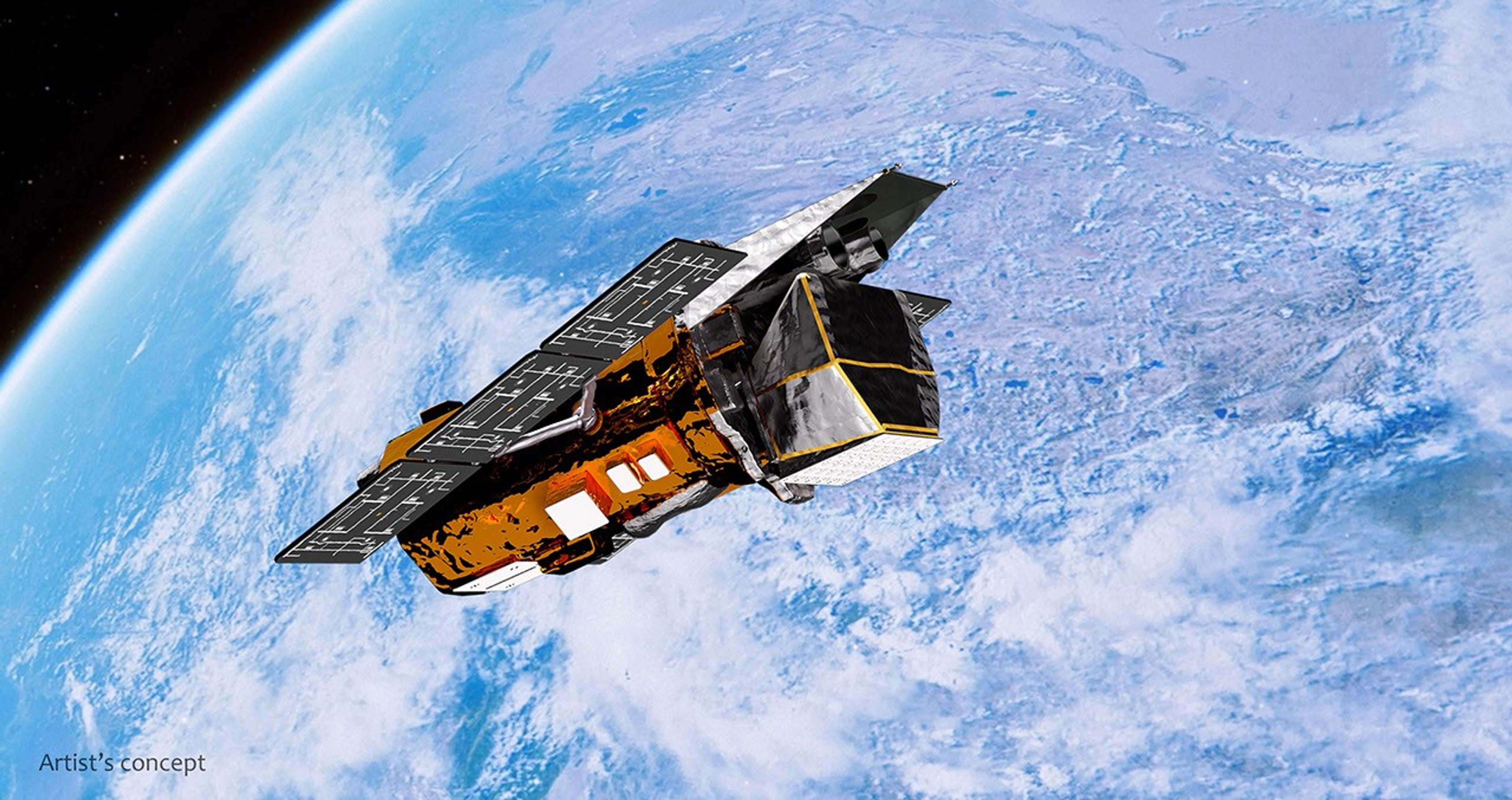
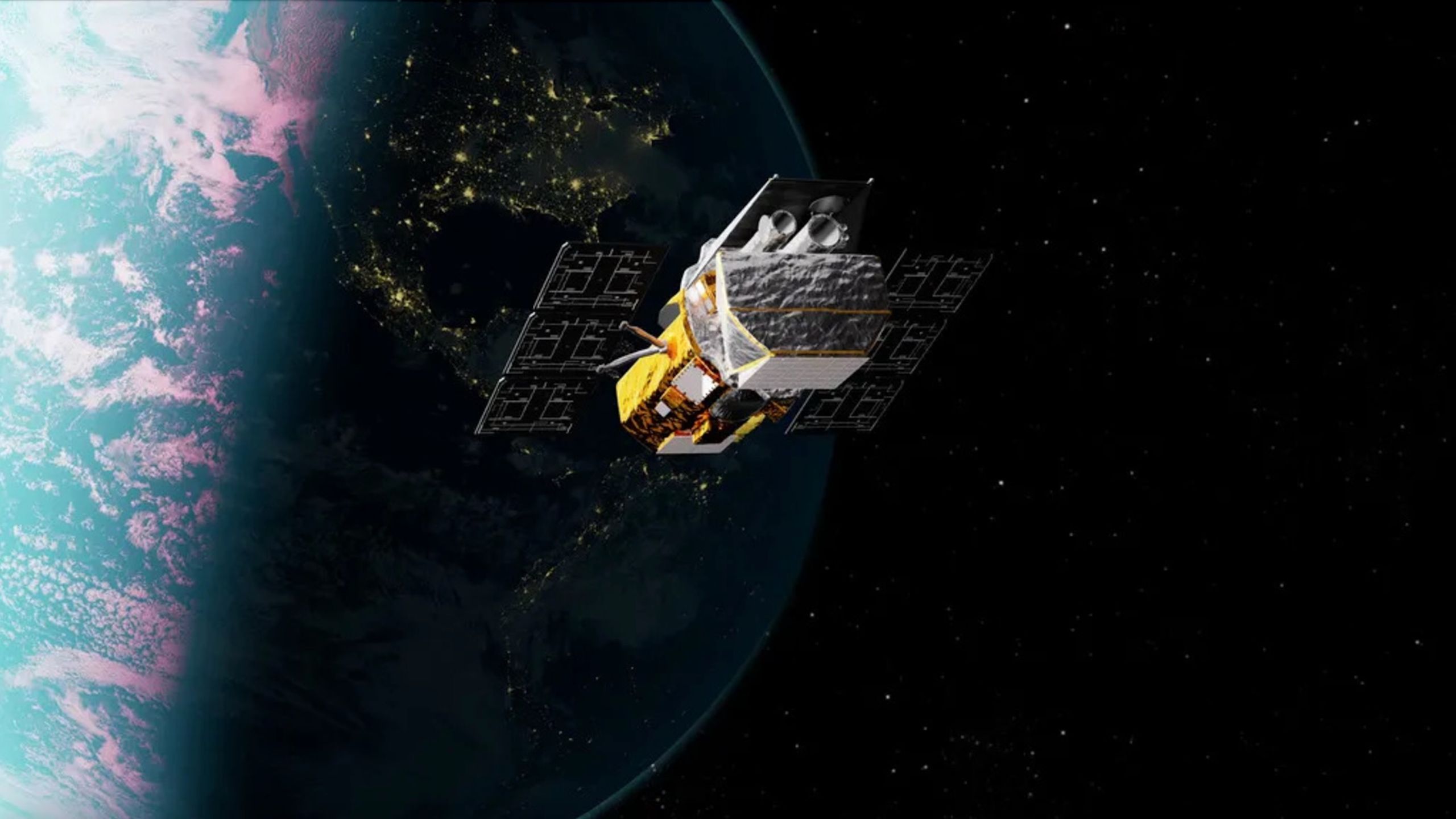
NASA’s Swift Observatory is expected to re-enter Earth’s atmosphere on or around Friday, Nov. 6, after an unsuccessful rescue attempt. That was the U.S. Space Force forecast reported Oct. 31 by Marcia Dunn of The Associated Press. Swift’s systems had already been shut down: By late October, the telescope was too low to remain steady for observations.
Intense solar activity had pulled Swift down faster than usual. NASA hired Katalyst Space for a rescue, but the company’s three-armed robot, Link, ran into trouble after launching in July and got no closer than 7 to 9 miles (12 to 15 kilometers) from the telescope. Link re-entered Earth’s atmosphere in September. Swift resumed observations after the rescue attempt was called off, before its declining orbit brought those observations to an end.
Launched Nov. 20, 2004, Swift searched for gamma-ray bursts and supernovas. It could turn toward erupting celestial events and alert other telescopes to investigate. Its final tally included more than 2,000 gamma-ray bursts and 1,400 exploding stars.
Most of the 1 1/2-ton telescope is expected to burn up during re-entry. NASA mission chief scientist Brad Cenko told AP that tungsten pieces and some mirror parts could survive. Any surviving wreckage would most likely fall into the ocean, though the reported re-entry zone also includes parts of Africa, Australia, India, Southeast Asia, and Central and South America.