A team of researchers says Earth’s climate system is moving further into “uncharted territory,” with seven of 16 tracked indicators now at record extremes. The 2026 State of the Climate Report, published in BioScience, also finds evidence of accelerating trends or abrupt shifts in several measures.
The annual update groups its “planetary vital signs” across greenhouse gas concentrations, temperatures, oceans, ice, Earth’s energy balance and wildfire. The authors identify fossil-fuel combustion as the dominant driver of the changes and warn that the combined indicators point to rising climate instability.
Records in the atmosphere, oceans and ice
Based on 2026 year-to-date averages, the report says concentrations of carbon dioxide, methane and nitrous oxide all reached record levels again. Atmospheric carbon dioxide exceeded 428 parts per million in May, about 50% above preindustrial levels.
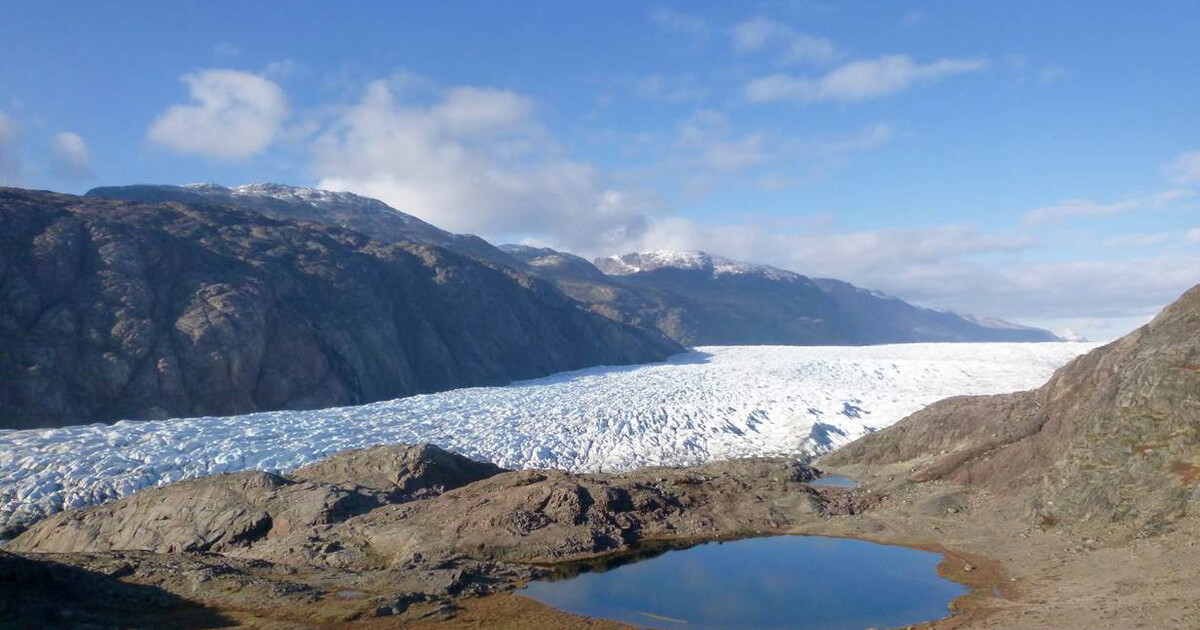
The signs extend well beyond the atmosphere. Glacier thickness and Greenland ice mass are at record lows, while minimum Arctic sea ice extent and Antarctic ice-mass change are near record extremes. Preliminary data also put ocean heat content and sea level at record highs. The authors say ocean heat content is rising at an accelerating rate, increasing the heat stored throughout the climate system.