A roughly 192 GB archive of internal Rockstar Games material surfaced online on Sept. 18, exposing a wide range of cut Grand Theft Auto 5 content and a much smaller set of apparent early GTA 6 assets. The files have not been independently authenticated, and the reporting so far points to old data spreading more widely rather than a fresh breach.
Insider Gaming reports that the archive originates with the 2022 Rockstar breach, whose most visible release included 90 development videos from GTA 6. Notebookcheck says the newly surfaced cache appears to be a fuller version of the GTA 5 source-code leak that emerged in December 2023.
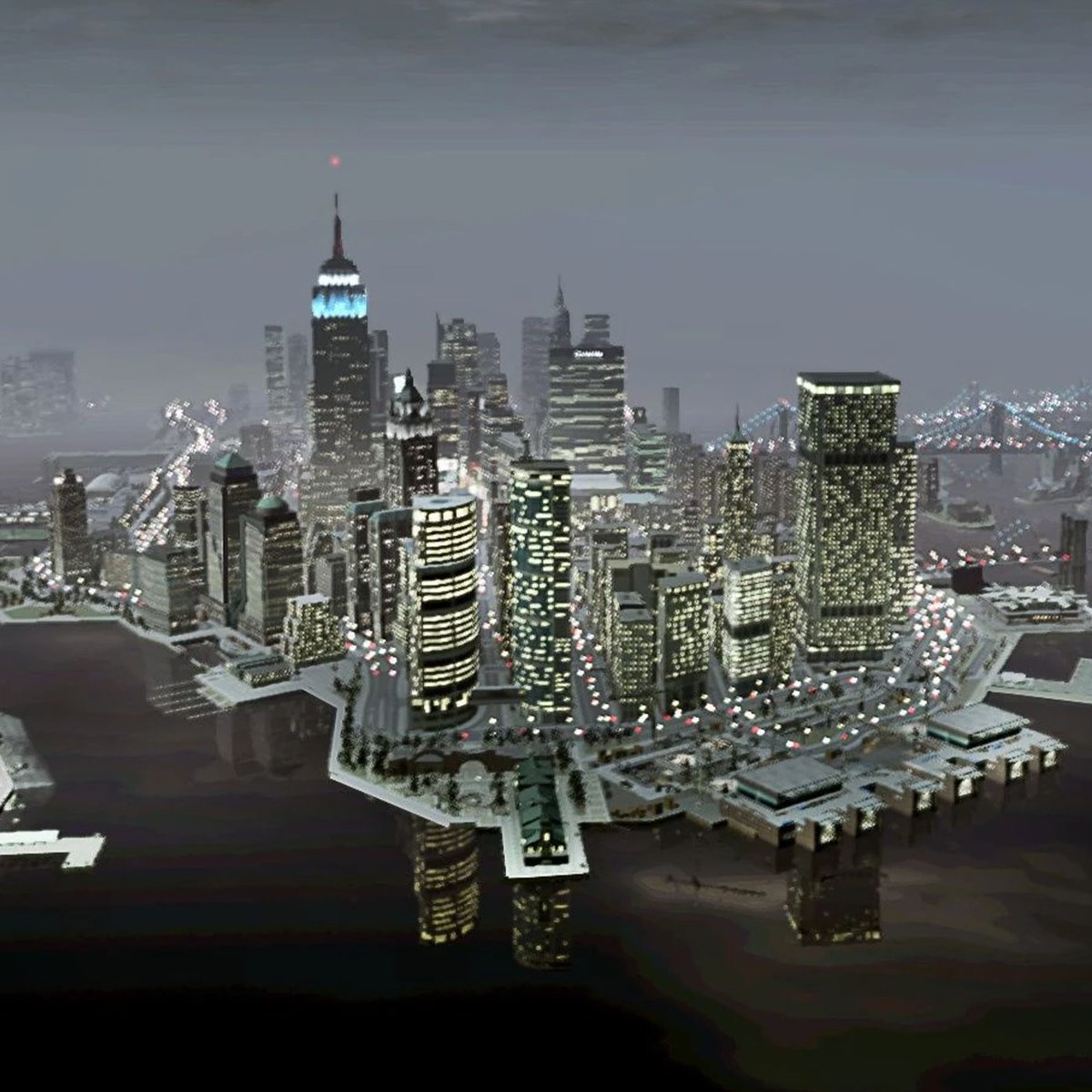
Liberty City was bigger than previously known
One of the headline discoveries is a file associated with “LibertyV,” Rockstar's canceled plan to bring Liberty City into GTA 5. Dataminers imported zone data into CodeWalker, a community map editor, and produced an outline reportedly larger than the Liberty City featured in GTA 4. A separate terrain test was also found in the archive.
The files add detail to another canceled single-player project known as Agent Trevor. Reported discoveries include mission names spread across several story arcs, a spaceship location, a large underground complex, beta vehicles and recorded dialogue. An alternate version of Trevor's death scene and unused exchanges between GTA 4 character Brucie Kibbutz and Franklin are also among the material being cataloged.
The GTA 6 material is far less substantial
Despite the archive's size, most of the reported material concerns GTA 5. The apparent GTA 6 files include low-quality map renders, references to Florida and the Everglades, and very early 3D models of regions that may have been built in GTA 5's engine before 2020.
Those assets should not be treated as a complete or current version of the game. Notebookcheck notes that some may be low-detail background assets, while observers have also identified overlap with material already known from the 2023 leak. Dataminers were still examining the archive when the first reports were published, leaving both its full contents and authenticity unresolved.