Denmark trials red streetlights to protect wildlife
In a suburb north of Copenhagen, Danish planners are trialling an unconventional approach to street lighting that could reshape how cities worldwide think about illumination at night. Along a stretch of road in Gladsaxe Municipality, conventional white streetlights have been replaced with red LED lights in an effort to reduce the disruptive effects of artificial illumination on nocturnal wildlife, particularly bats, while maintaining safe visibility for people.
The project marks a shift in urban planning away from the longstanding assumption that brighter, whiter light automatically equates to safer streets. Authorities are seeking a balance between public safety, biodiversity protection and broader environmental goals, a dilemma familiar to modern cities that border natural habitats.
The pilot installation focuses on a section of road near local woodland where several bat species forage and navigate at night.
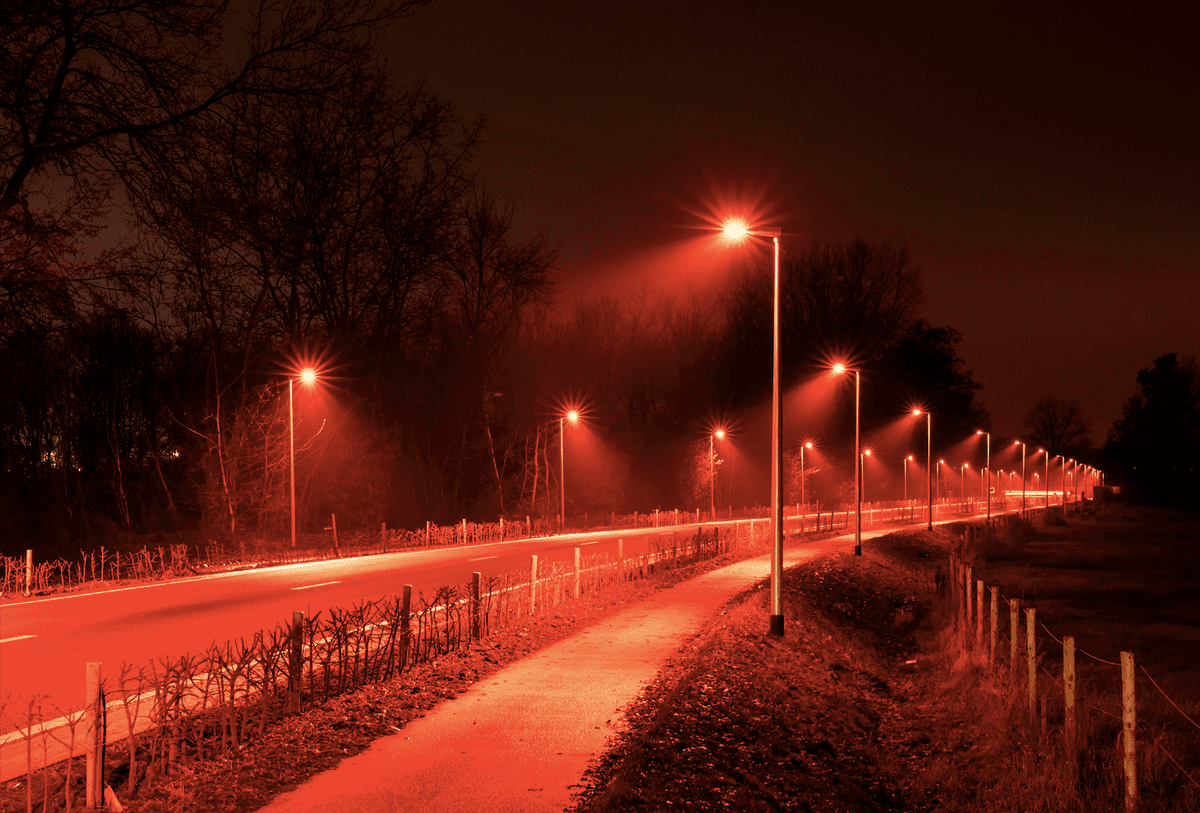
In a suburb north of Copenhagen, Denmark, Gladsaxe Municipality has initiated a trial of red LED streetlights to protect nocturnal wildlife, particularly bats, while ensuring public safety. The project, developed through collaboration between engineers, environmental experts, and urban designers, aims to balance biodiversity protection with the need for safe public lighting. Red light, which is less disruptive to bats and other nocturnal animals, is used selectively in ecologically sensitive areas, while conventional white lighting remains at busy junctions and pedestrian crossings. The trial has received neutral to positive feedback from the public, with no significant complaints about visibility or safety. If successful, this initiative could inspire similar strategies in urban centers worldwide facing similar challenges.
0 Comments