As we breach 1.5 °C, we must replace temperature limits with clean-energy targets
On 28 October 2025, United Nations secretary-general António Guterres acknowledged that the totemic goal of the Paris climate agreement is going to be missed: “The truth is that we have failed to avoid an overshooting above 1.5 °C in the next few years”.
[...]
To move forwards, climate scientists and policymakers must first accept that the Paris 1.5 °C target has outlived its usefulness. Although initially valuable as a unifying focus for international efforts to increase mitigation, continuing to emphasize a failed temperature target might produce more harm than good.
[...]
Any approach based on projections to 2100 is unlikely to inspire public interest or political action because the goal is so far off. It is hubristic to think that researchers can predict accurately how emerging technologies such as artificial intelligence will affect the climate, or how Earth’s climate system itself will respond to unprecedented conditions.
[...]
Instead, we propose that policymakers focus on rapidly building the clean-energy systems that can deliver the safer climate and thriving economies that populations demand. These goals are already agreed. For example, in 2023 at the UN Conference of the Parties (COP) 28 climate summit in Dubai, United Arab Emirates, countries called for a tripling of renewable-energy capacity globally by 2030 and the transition away from fossil fuels to reach net zero by 2050. Whereas delegates at COP30 in Belém, Brazil, in 2025, struggled to agree to phase out fossil fuels, support for accelerating clean energy is almost universal.
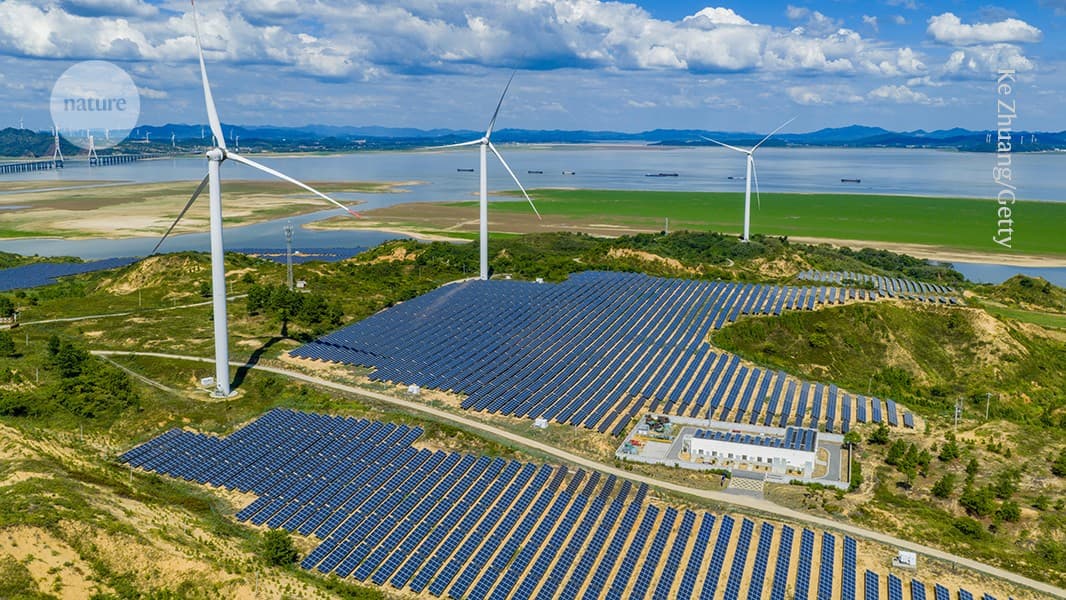
As the world approaches a 1.5 °C temperature increase, the article argues that focusing on clean-energy targets is more effective than adhering to temperature limits. It suggests replacing the Paris Agreement's temperature goal with a clean-energy shift metric, which measures the growth rate of clean energy supply against total energy demand.
0 Comments