CODING IS NO LONGER THE BOTTLENECK
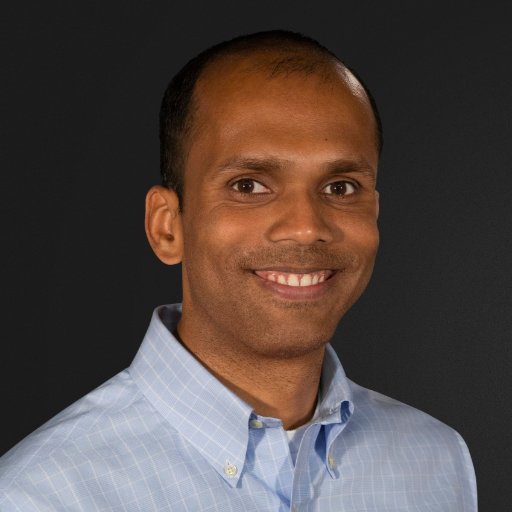
Fiona Fung, Head of Engineering for Claude Code and Cowork (Anthropic), interviewed by @lennysan (Lenny's Podcast)
Summary: For 25 years Fiona Fung has built developer tools, from Visual Studio and TypeScript to the teams behind Claude Code and Cowork. Her argument: when agents write most of the code and ship eight times as much of it, the hard part of engineering moves to verification, ambition, and the culture that holds a team together. A manager's job becomes running agents and people while keeping the quality bar honest.
1. The New Bottleneck. Anthropic engineers ship eight times as much code per quarter as they did in 2025. The graph Fung describes is flat for years, then vertical. Coding stopped being the constraint, so the work moved to everything coding used to gate: verification, ambition, and deciding what is worth building. The job moved up a level.
2. Raising the Ceiling. "Everything is now possible in theory. Now it's about how ambitious can you be?" Fung describes engineers who used to hear a feature idea and say "that's too hard," and now just ask Claude Code to do it. The skill that matters is the size of the thing you dare to attempt. Agents lifted the ceiling on what one person can build, so timid scoping is now the expensive mistake.
3. Manage Through the Agent. Fung runs a Claude Code session that lives in every repo and Slack channel her org touches. She started using it to generate PRs and bug fixes, then found its real value was conversation: every month she screen-shares it with a report and asks what shipped, how it landed, where the bugs came from. The same instance that automates code review became how she stays close to 500 people's worth of output.
4. Make New Mistakes. Fung's standing rule for her team is "make new mistakes." Aiming for zero mistakes is itself the error, because it means you are moving too slowly or being too cautious. The rule buys permission to keep learning at speed. A team that never breaks anything has stopped pushing.
5. Specs as the Review Framework. Claude reviews code well when you hand it a written definition of what good looks like. Fung's team checks specs into the repo alongside the code and keeps them current, so Claude's code review grades every change against the standard. She calls it the evolution of test-driven development: the test you used to dread writing is now generated for you, which makes old disciplines cheap again. Write the bar down once, and Claude checks it on every change.
6. Two Profiles Worth Hiring. Fung now hires for exactly two shapes: creative builders with product sense, and deep systems experts for the hard parts. The builders are the dreamers who own a product end to end, ship it, watch the feedback, and polish. The systems experts exist because "trust but verify" still needs someone who can verify the parts models get wrong.
7. Token-Maxing Is the New Lines of Code. Measuring tokens spent or tools used is the same vanity trap as counting lines of code a decade ago: it rewards motion over outcome. Fung's warning is "don't forsake motion for progress." She zooms out to the problem being solved and measures against that, then runs a listening tour with senior engineers because the dashboard rarely tells you what is actually working.
8. Bad Versus Sad. Fung's team grades quality on two tiers: "bad" is an irrecoverable error like a crash that loses your work, "sad" is a recoverable annoyance like a flicker. Stack up enough sads and they add up to a bad. Each team sets its own bad and sad for the surfaces it owns, which turns a pile of unreadable dashboards into a shared judgment about the experience.
9. Player-Coach by Default. Every manager on Fung's team starts as an individual contributor and stays one part-time. She ships PRs herself, and the fixes barely matter; using the product every day is the only way a leader keeps the feel of it. New managers who go deep as a teammate first build more rapport than the ones who immediately start managing.
10. Trust the Anecdote. Fung quotes the Bezos line: when the data and the anecdote disagree, trust the anecdote. She flew to Chile with three people and a bag of Android phones to figure out why Facebook Marketplace was stalling there, and found the feed would not load on the slow local LTE. The dashboards averaged that away; one phone in one market surfaced it.
11. Loneliness Is the Tax. The hidden cost of everyone working next to their own agent is that engineering stopped being a shared activity. Fung's team noticed it turning into a lonely experience, so they started pairwise programming lunches and hackathons, mostly to see how each other actually use the tools. The flow state and the final aha moment that engineers loved are mostly gone, and the team has to rebuild its connections on purpose.
12. Kill What No Longer Serves. Fung's team grants explicit permission to kill any process that has stopped earning its place. She replaced the six-month roadmap with just-in-time planning: a lightweight monthly spreadsheet of priorities, checked once a week. Her own first instinct, a six-month roadmap doc, was the first thing she killed when she realized no one had referenced it three months in.