AGIBOT Tops Global Humanoid Robot Shipments With 39% Market Share
The hard part is not making a robot dance for 2 minutes.
The hard part is making it understand the room, react to people, move safely, and keep working when the real world gets messy.
E.g. A regular home, is not a controlled environment of a factory floor. it is a moving negotiation between habits, clutter, pets, children, half-finished chores, and objects that never return to the same place twice.
That is where Moravec’s paradox shows up: tasks that feel effortless to humans, like picking up clutter, avoiding pets, or judging what belongs where, are often brutally hard for robots.

 Rohan Paul@rohanpaul_ai
At IDC Directions Beijing 2026, AGIBOT A2 and A3 turned the opening act into a live proof point: China is not just talking about embodied intelligence anymore, it is putting robots on stage, in products, and into global shipments.
IDC is also building global Robotics Trackers across humanoids, delivery robots, commercial cleaning robots, pool cleaning robots, lawn mower robots, and smart vacuums.
 Rohan Paul@rohanpaul_ai
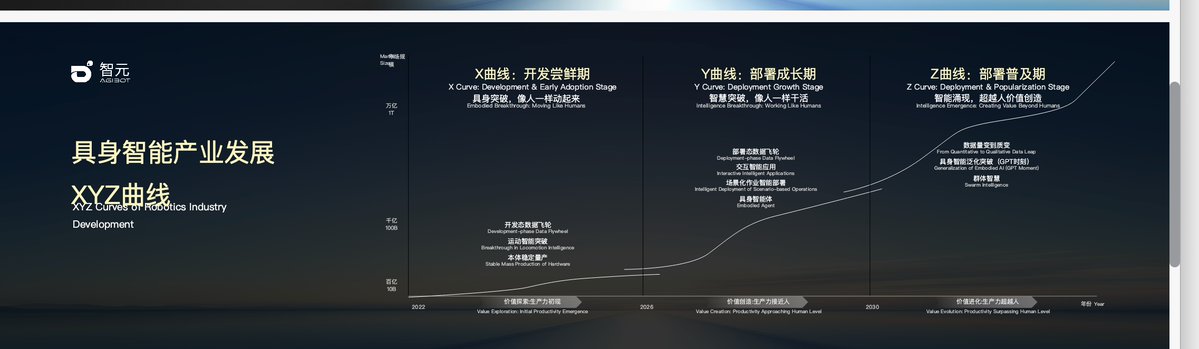
IDC expects China’s embodied intelligence spending to grow from $1.4B in 2025 to $77B by 2030, which means a 94% compound annual growth rate. That is a very large jump for a field that many people still treat like a research project.
The bigger message from Beijing is: China is becoming one of the main places where Physical AI is being built, tested, shipped, and measured.
The next AI platform may not sit inside an app, it may walk into the room.
 Rohan Paul@rohanpaul_ai
IDC is also building global Robotics Trackers across humanoids, delivery robots, commercial cleaning robots, pool cleaning robots, lawn mower robots, and smart vacuums.