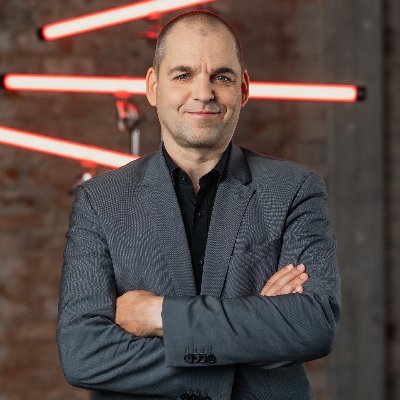


Joining Pax Silica is not a big deal by itself - it's a feel-good press conference with little policy substance, especially after Glasswing and Fable. That makes it all the more surprising to see the U.S. wrap the announcement into a sweeping dismissal of 'digital sovereignty'.
On policy substance, not much has happened. Joining Pax Silica has no binding effects; it commits signing countries to two pages of aspirational statements and provides them with an American 'concierge service' in return. The main upshot of Pax Silica so far have been what I hope have been productive AI export conversations behind the scenes and, frankly, some pleasant pictures. The European decision to join falls into the same category: it's a very easy way to signal some interest in ongoing cooperation to USG, without committing to too much.
Mostly, signing Pax Silica is a declaration of intent: intent to integrate with the U.S. tech stack wherever feasible and possible, which I think is a perfectly reasonable move. In fact, I think it's exactly the right direction to take for allies for now: America builds models, they integrate with allied supply chain positions up and down the chain. My takeaway from the Fable saga specifically is still that we'd be served well with more mutually dependent supply chain integrations that makes America take twice before reaching for instruments as internationally explosive as export controls to settle its domestic policy questions. I'm all for Europeans reaffirming their interest in this kind of integration.
More importantly, and given the lack of consultation with allies in the last few weeks, I'm also all for the State Department making the case: that America is open for business, that countries with something to contribute to the American supply chain shouldn't fear loss of access to American tech. That's a hard pitch to make after Fable, but that makes it all the more urgent and important. Helberg, especially as one of the remaining prominent tech right figures, would be well-positioned to make that case right now and provide a counterweight to what allies perceive as politicisation and securitisation of American technology business. As someone who keeps arguing for the increasingly lost cause of mutually beneficial integration between America and its allies, that would've been very nice to see.
But instead, on the eve of this signing with the most powerful bloc to join Pax Silica so far, the responsible Undersecretary Jacob Helberg penned a hostile and dismissive essay on 'digital sovereignty'. The timing of this essay means it recontextualises the entire announcement--policymakers who said yes to an innocuous Pax Silica are now left seeming like they've bought into Helberg's grand theory of AI sovereignty instead. In effect, that framing means the U.S. government has made signing allies attackable for engaging, all while securing fairly minimal substantive concessions.
The sovereignty analysis underpinning Helberg's essay mostly consists of shadowboxing against the most ill-fated version of domestic AI strategy you could possibly come up with: everyone builds an entire stack for themselves. Yes, this strategic impulse is mentioned in the UN Digital Compact, but it's not like that is a particularly impactful policy document for individual AI strategies--in reality, not a lot of important foreign markets are particularly interested in the maximalist version of digital sovereignty that Helberg characterises.
The actual reason that countries are grasping for something like 'digital sovereignty' has very little to do with the U.N., and a lot to do with the U.S. government. Helberg is right: in a free marketplace, there would be very little reason to choose digital sovereignty over the US tech stack. The reason that many countries aren't excited about this prospect is that they might be cut off or extorted by the U.S. I struggle to see how the State Department determined that the message these uncertain countries needed was an essay lecturing them on American superiority while describing their fear-induced hedge as 'marching into the past'. It's hard to see how this helps with any part of the export strategy, though of course it's easy to see how it satisfies domestic appetite for anti-internationalist rhetoric and affirmations of American dominance.
But right now, calming the global reaction to Fable and Glasswing should be an urgent priority for U.S. engagement: allies are running scared, and it's the exporter's job to reassure them. If you work at the State Department, the most obvious reaction would have been to reiterate the American pro-export position: this is not an export control, export commitments remain strong, here's some guidance on how to secure access guarantees, here are infrastructure ideas to secure onshore access--in short, to reconcile the differences between successful allied tech integration in the past (like his 5G example) and the current state of the AI policy conversations. Allies so reassured would love to avoid spending their time and money on digital sovereignty and let the U.S. build much of the stack instead!
Instead, the current export promotion strategy largely seems to consist of erratically changing the available export stack every other week, conducting press conferences, and writing ominous essays to the tune of 'pray I don't alter the deal any further'.
Pax Silica is a soft deal structure, signatures matter insofar as they communicate alignment and intent. I am still holding out hope for a future where the world does run on a good division of labour around American AI models. It's really hard to see how any of that is helped by tacking a hostile framing onto an innocuous press conference at a highly volatile time in international AI policy.

EU allies join US pact to break reliance on Chinese AI supply chains https://ft.trib.al/sd5rJkA