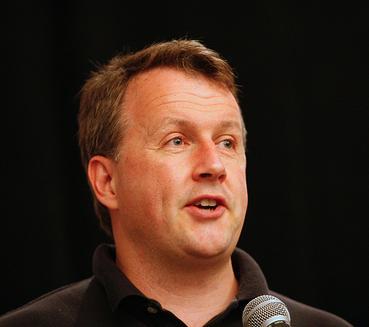
One heuristic for making startups AI-proof is to make things human intelligence can't compete with either. For example, marketplaces are proof against AI competitors for the same reason they're proof against human ones.
Many users agreed with Paul Graham that marketplaces create strong AI-proof moats for startups thanks to network effects, liquidity, and human trust that models cannot replicate.
Most Activity
Patents are similarly protective. It's no use being able to think of an idea if you can't legally implement it.
(AIs might of course be better at finding ways around patents. But on the other hand patent filers can also use AIs to predict these and seal them off.)
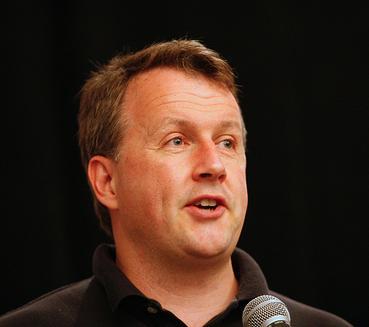
One heuristic for making startups AI-proof is to make things human intelligence can't compete with either. For example, marketplaces are proof against AI competitors for the same reason they're proof against human ones.

@paulg Almost no investor wants to fund marketplaces now.

@paulg A fascinating case study I've seen was the adoption of the D-pad. It was originally patented by Nintendo in 85' but you'll notice D-pads in all sorts of controllers that...didn't get licensing, we'll say.
The way people oft do this today is operate from places like China.

@dwlz @loneyai @paulg You called!

@paulg Fascinatingly enough, one of the things you could argue that AIs can't do (in practice) very easy is be flagrantly misaligned for human purpose.
Bypassing IP protection on technicality of "so-and-so country won't enforce this" is mal-alignment. Humans can do this easily.

@loneyai That's not true. But if it were I'd say: Send them to me; I'll fund them.

@paulg @0xdotdot How can you determine if the founder is relentessly resourcesful without meeting them or having direct access, say if you want to invest through an SPV in a YC startup?

@me0205863 @paulg Translate

what I love about this: it quietly moves the question from "how smart is your product" to "what compounds when you're not looking." the most AI-proof things are weirdly human — reputation, trust, the messy network of people who vouch for you. intelligence was never the moat. belonging was.

@paulg Instructions clear. Currently building a startup where we just scream into a plastic bucket for 8 hours. AI literally cannot compute the ROI.

@0xdotdot Any category in which companies are being founded by relentlessly resourceful founders. (I.e. it's about the founders, not the idea.)

@paulg Marketplaces go back to ancient times, A product or service I can pay for or exchange. It’s physical and practical, the digital world require somewhat of an understanding of the abstraction and to be able to use the medium of the computer to interact with the product.

@paulg Will be interesting how agents plays in this space. Demand side agents bidding and dynamic pricing plays by supply side agents will be interesting to watch. Marketplace-ops can be rebuilt with agents and automation as well

@paulg I agree 💯

@paulg Yep. AI can clone features, but it still can’t conjure liquidity, trust, or habit.

@paulg so close to saying 'proof of human' ;)

@paulg Hakuna matata 😂

@paulg yeah marketplaces have that network effect moat that's basically unbeatable once you hit scale
same reason why even with all the AI tools out there, people still default to the platforms with the users/liquidity

@paulg I've spent a heck of a long time looking at the eBay marketplace specifically because they've devolved into utter insanity, and while it IS rather difficult to handle that double exchange issue well, there are cracks in the armor (at least in the case of eBay). Maybe generalized?

@paulg it also makes this kind of startups more proof to funding hype cycles, which is a double-edged sword