Today's Highlights












Top Stories
Posts:—Clusters:—Next Crawl:—
11
SpaceX begins public trading on Nasdaq under ticker $SPCX with Musk delivering opening speech at Marketsite
2h#1VIEWS2.3M#1LIKED28k1.9k#1COMMENTS3.2k












30
Shopify CEO Tobi Lütke and Austen Allred criticize Canadian newspaper for publishing reasons to dislike Elon Musk
6h481.5k13.1k511
MOST NEGATIVE112

Watchlist
Video Signals

Apple Insists Upgraded Siri Is Not Powered by Gemini
49m agoViews 42KLikes 610Bookmarks 72

RISE Enables Robot Reinforcement Learning in Compositional World Models
2h agoViews 4.5KLikes 33Bookmarks 32
Ex-Google Exec Mo Gawdat Predicted AI Trillionaire Before 2030
1h agoViews 7.1KLikes 17Bookmarks 7

Oracle AI Database Powers Image Similarity Search With Vector Embeddings
1h agoViews 2.4KLikes 15Bookmarks 11

Startup Trains AI Models With Living Brain Cells For 27x Efficiency
46m agoViews 803Likes 5Bookmarks 1

Professor Completes First Draft Lecture on Vanilla Policy Gradients
24m agoViews 393Likes 6Bookmarks 1
Amodei Addresses US Military Use of Claude in Iran Operations
46m agoViews 28KLikes 2Bookmarks 2

Diffusion Language Model Visualized In Matrix-Style Digital Rain
2h agoViews 1.7KLikes 0Bookmarks 0
Experts Urge Validating LLM Judges Like Classifiers at LangChain Event
1h agoViews 587Likes 7Bookmarks 1

Google Rolls Out AI Mode In Chrome To End Multi-Tab Research
6h agoViews 430Likes 4Bookmarks 1





New github stars (48hrs)



615
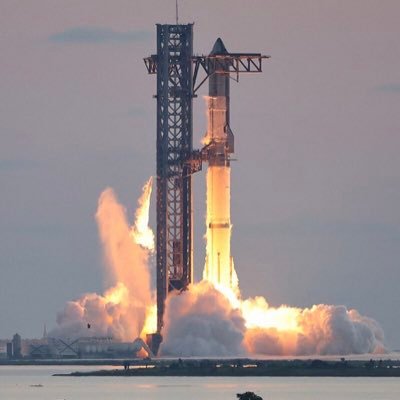
SpaceX launches Starship rocket, prompting tech leaders to celebrate the company's decades of engineering ambition
47m52.2k1.6k86
FASTEST CLIMBING+15RISING LIKES1.6k



80



















Recent Stars
- 8 stars
- 13.5k stars
- 1 stars
- WecoAI/weco-cli11H AGOLeverages LLM-guided tree search to iteratively explore, refine, and optimize code against custom metrics.54 stars
- tunguz/spark-plug14H AGOUNKNOWN.1 stars