Today's Highlights















Top Stories
Posts:—Clusters:—Next Crawl:—
10
Microsoft's Satya Nadella argues proprietary 'token capital' and learning loops create AI moats, not underlying models
10h#1VIEWS56.6M#1LIKED74.8k#1BOOKMARKED53.1k#1COMMENTS8k



























31
Stanford graduates boo and walk out as Google CEO Sundar Pichai delivers a commencement address that omitted AI
6h924.1k4.9k703
MOST NEGATIVE510


Watchlist
Video Signals
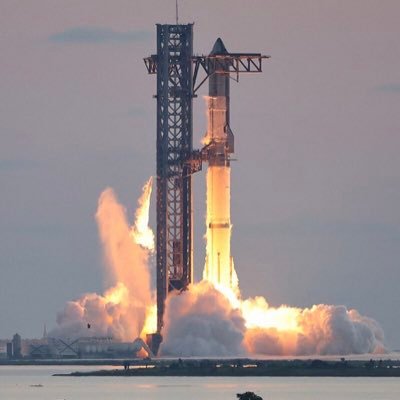
Shotwell Reveals SpaceX Builds AI Compute For Itself First, Sells Overflow
8h agoViews 12MLikes 36KBookmarks 3.1K


CEO Uses Codex AI Agent To Auto-Generate Goals And Spawn Subagents
8h agoViews 187KLikes 1.5KBookmarks 2.1K
Hermes Agent Uses Manim And TTS To Generate Self-Explanatory Video
11h agoViews 111KLikes 1.2KBookmarks 971

μ₀ World Model Predicts 3D Motion Traces For Efficient Robot Learning
9h agoViews 26KLikes 388Bookmarks 374
Vinod Khosla Prefers Full AI Replacements Over Co-Pilots to Bypass Human Resistance
18h agoViews 34KLikes 155Bookmarks 94

Humanoid Robot Descends Stairs in Steady Forward Gait
11h agoViews 46KLikes 1.3KBookmarks 67

AI Generates Interactive FTL Travel Simulator From One Prompt
12h agoViews 66KLikes 741Bookmarks 329
Sam Altman Says Programming Loses Value as AI Era Favors Adaptability
18h agoViews 455KLikes 194Bookmarks 116
Satya Nadella Defines AI Metric As Tokens Per Dollar Per Watt
6h agoViews 21KLikes 59Bookmarks 29


Harry Stebbings Argues Separate AI Model and App Layers Benefit Consumers
4h agoViews 7.4KLikes 35Bookmarks 18






New github stars (48hrs)
Orchestrates multiple AI coding agents across terminal, browser, and phone with shared live sessions
omnigent-ai/omnigent9711d
Implements a domain-agnostic framework for autonomous AI agents with ReAct loops, multi-LLM routing, reasoning graphs and MCP integration.






































Recent Stars
- r-buitrago/LPSDA50M AGOForks the LPSDA code to generate PDE trajectories with fixed time steps and configurable Fourier modes for neural solvers.1 stars
- …ind/representations4d56M AGOProvides code, checkpoints and demos for self-supervised 4D video representation learning across multiple models and papers.166 stars
- aidilayce/FollowMyHold1H AGOReconstructs 3D hand-object interactions from images via geometric guidance and mesh optimization.66 stars
- …ng-Tools/Stirling-PDF5H AGOHosts self-hosted web UI and API for PDF editing, merging, splitting, OCR, signing, redaction and conversion.80.9k stars
- charmbracelet/vhs6H AGOGenerates terminal GIFs, MP4s and WebM videos from declarative .tape scripts for CLI demos and tests.19.9k stars