In case you missed it
Today's Highlights




It’s a new day at Digg. Fresh stories are clustering now. 15% complete.

Top Stories
Posts:—Clusters:—Next Crawl:—








Watchlist
Video Signals

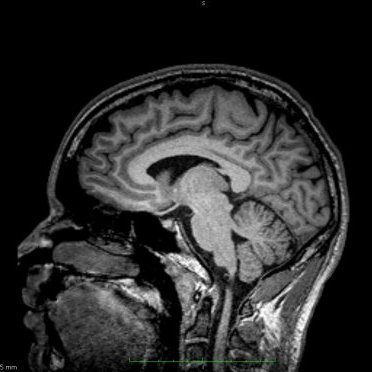
Builder Releases Interactive 3D Midjourney CT Scanner Model
1h agoViews 4.1KLikes 76Bookmarks 26

Midjourney Scanner Delivers 60-Second Full-Body Imaging Cheaper Than MRI
1h agoViews 321KLikes 128Bookmarks 23

NVIDIA Unveils Isaac GR00T Open Humanoid Robot Reference Design
2h agoViews 665Likes 13Bookmarks 2
Grok Imagine API Generates Cinematic Videos From Text Prompts
49m agoViews 81Likes 2Bookmarks 1
Chicago Bans Autonomous Sidewalk Delivery Robots Over Safety Concerns
1h agoViews 156Likes 0Bookmarks 0
Autonomous Robot Performs Zero-Error Blood Draws With AI Imaging
52m agoViews 65Likes 0Bookmarks 0
Recent Stars
- chrischoy/Pointcept53M AGO1 stars
- pc-style/stream-guard7H AGOWatches macOS screen with on-device Vision OCR to detect PII or blocklisted text and trigger blackout protection.4 stars
- …isk-perf-git-and-pnpm9H AGOBenchmarks parallel disk I/O by timing git clean and pnpm install across filesystems and OSes.35 stars
- anomalyco/rift10H AGOCreates instant copy-on-write clones of directories via btrfs snapshots, reflinks or APFS as git-worktree alternatives.583 stars
- huggingface/setfit13H AGOImplements prompt-free few-shot fine-tuning of Sentence Transformers for text classification.2.7k stars